
James Bond star Daniel Craig goes electric with Chinese EV brand DENZA — here’s why it matters
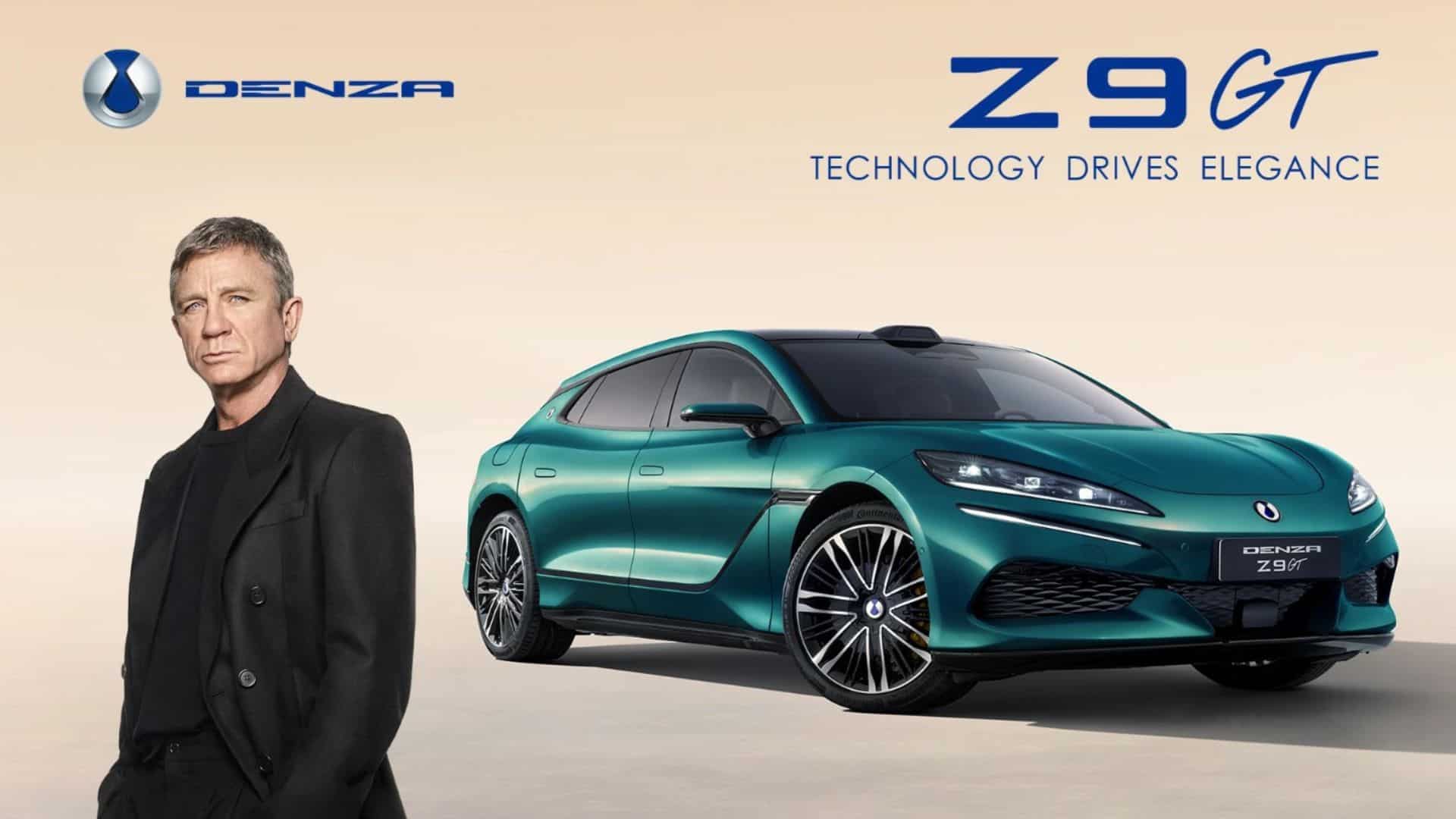
The actor best known as James Bond is now the global face of DENZA, as BYD launches its premium EV brand into new markets.
Celebrity endorsements in the auto industry are quite common, and normally, most people don’t really pay much attention to who is in these advertisements. But Daniel Craig, the man who played James Bond for 15 years, just signed up with a Chinese electric vehicle brand called DENZA, and people did not see that one coming.
What happened
On March 25, 2026, BYD Group confirmed that Daniel Craig would front a major new campaign for DENZA ahead of the brand’s global expansion. Craig will appear in marketing materials and TV commercials for several vehicles launching this year, with the flagship model being the Z9GT shooting brake. The European debut is scheduled for April 8 at the Palais Garnier opera house in Paris.
Stella Li, BYD’s Executive Vice President, expressed her excitement, saying, “Daniel Craig represents a powerful combination of strength, sophistication, and authenticity.” As DENZA enters new markets in Europe, Latin America, the Middle East, and Africa, they believe Craig’s involvement perfectly fits the image they want to present to potential customers.
DENZA prides itself on being the world’s first premium brand focused solely on electric vehicles. Bringing in Craig is a strategic step toward making that pitch to Western buyers who may be skeptical of the quality and luxury of Chinese-made cars.
Reactions
The internet certainly had a lot to say about the new model. One user made a sarcastic remark: “Imagine James Bond driving a Chinese wagon.” The DENZA Z9GT is a flagship luxury vehicle being launched at a Paris opera house, but calling it a “wagon” doesn’t really do it justice, especially given that China has been introducing some of the best EVs in recent years that are even nailing extensive crash tests.
Some people were just confused by the whole situation, with one person humorously asking, “Does he know about this?”
Despite criticism of the car and the ex-James Bond, many were excited about this new vehicle. One fan wrote, “This beats any other car, so it fits, and why won’t you accept they may now be better?” In recent years, Chinese electric vehicles have made impressive advancements in performance and technology, and are currently well ahead of many European- and U.S.-made competitors. The reluctance to embrace these cars often stems from outdated beliefs about where they are made rather than from consideration of how well they actually drive.

The car
The Denza Z9 GT is positioned as a high-end electric grand tourer that blends strong performance with a clear focus on comfort and technology. It features a powerful tri-motor setup delivering close to 1,000 horsepower, along with a refined interior defined by high-quality materials and large digital displays. Advanced systems such as all-wheel steering enhance maneuverability, underscoring the model’s emphasis on innovation. While it prioritizes a smooth, composed driving experience over sporty handling, it signals growing competition for established luxury automakers.
Why this matters
It’s time to change the way we think about Chinese cars. BYD, a leading electric vehicle manufacturer from China, has now become the world’s largest, surpassing Tesla in electric and new-energy vehicle sales. This impressive achievement didn’t happen by chance. BYD designs its own batteries and software and oversees most of its production process, setting a high standard that many car companies in America and Europe are trying to meet. BYD’s innovative blade battery has transformed electric vehicle safety and performance, proving that it offers not just cheaper alternatives but also leads in technology.
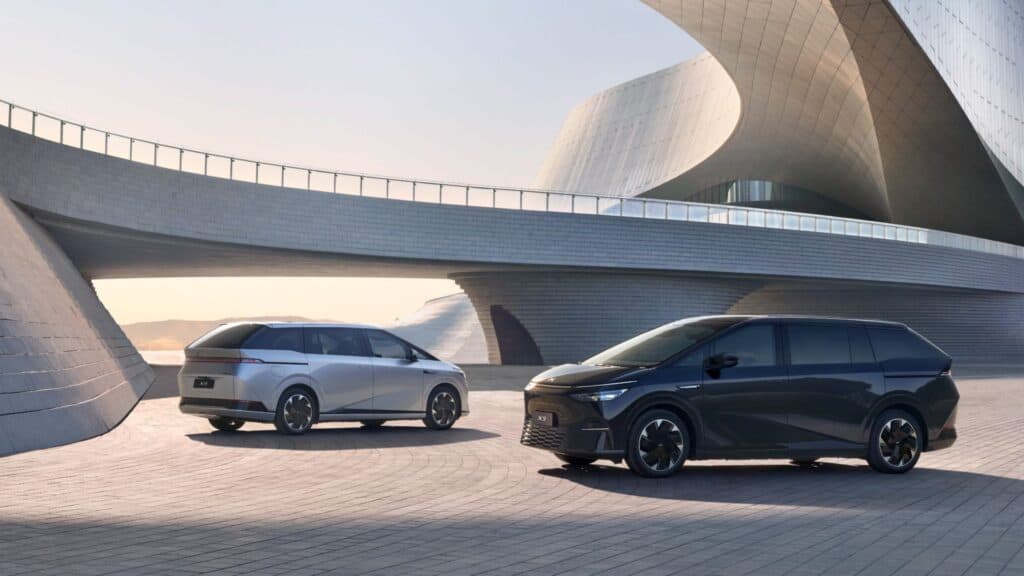
And BYD isn’t the only one. NIO Inc., another leading premium EV manufacturer, has created a network across China where drivers can quickly swap out their empty batteries for fully charged ones in under five minutes, something that Western charging stations have not yet matched. Another notable company is XPENG, known for its innovative electric vehicles that leverage advanced technology and software. Often compared to Tesla, XPENG aims to attract younger, tech-savvy customers with its modern approach to transportation.
Chinese car manufacturers have invested significant time and resources in developing the technology and support systems needed to compete globally. The real issue was never whether Chinese electric vehicles (EVs) are high quality; it’s that many countries are only now realizing how competitive they really are.