
Driving at night—how to see clearly when light conditions work against you
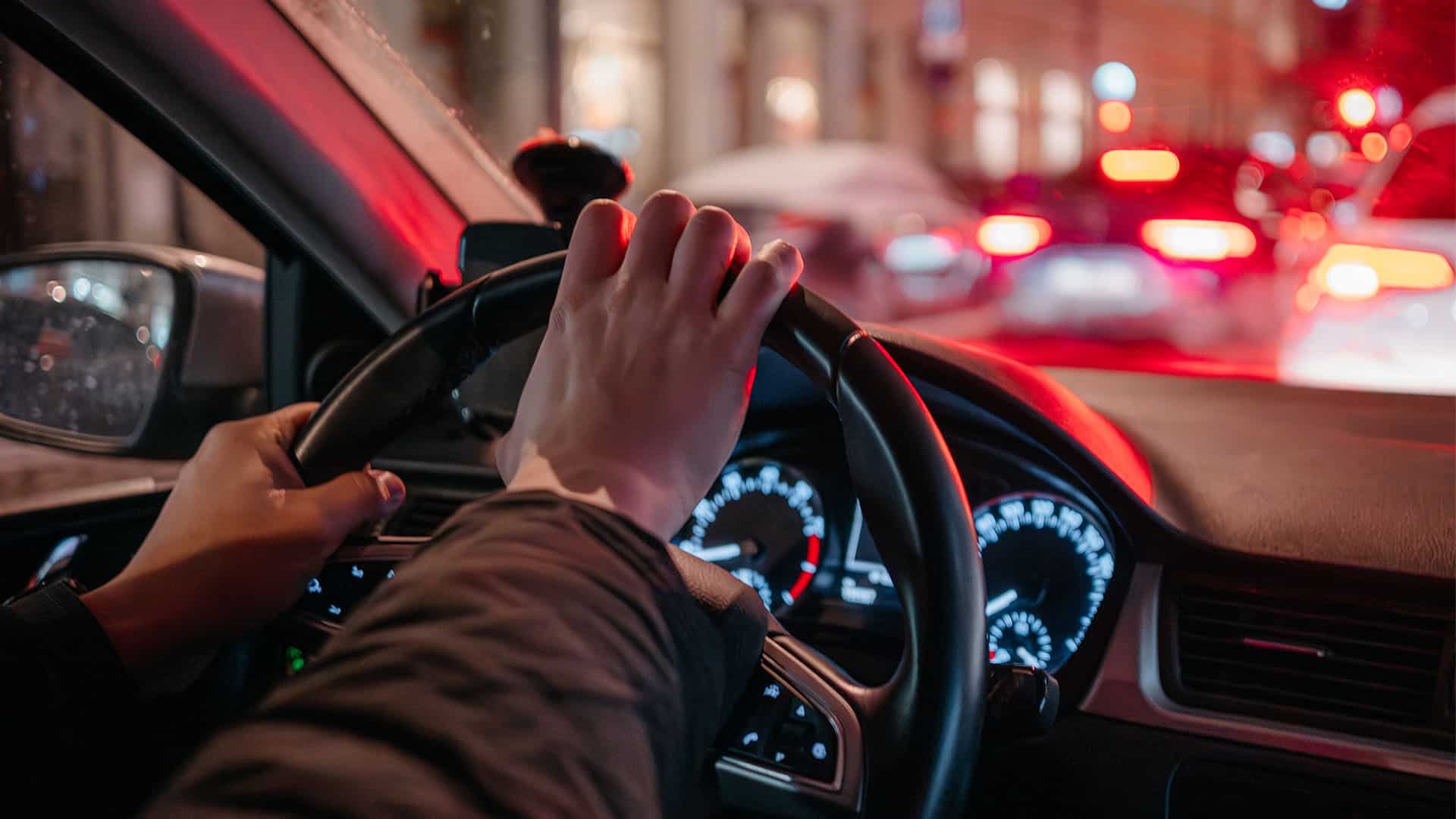
Techniques experienced drivers use to maintain sharp visual perception in low-light conditions.
Night driving looks simple until you’re actually doing it for hours. Fatigue builds faster, vision feels tighter, and glare from other vehicles can turn a calm drive into a constant strain. If you want to stay sharp and comfortable on long evening drives, you need to deliberately manage both your eyes and your environment.
Set your vision
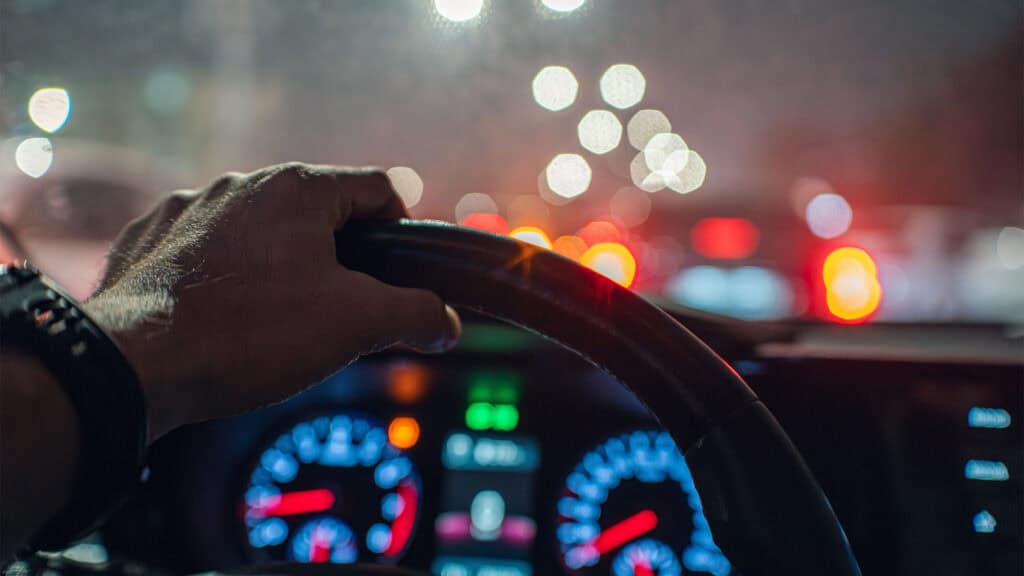
Before I even think about hitting the road at night, I treat my windshield and mirrors like critical driving equipment. A slightly dirty windshield can become a major glare amplifier once headlights hit it. You may not notice it during the day, but at night, every smear, dust, or fingerprint starts scattering light directly into your field of vision. So, before you hit the road, wash your windows with warm, soapy water or a glass cleaner, inside and out.
Then keep your interior lighting low and make sure your dashboard brightness is dialed down enough that it doesn’t compete with the road ahead. A bright dashboard pulls your focus inward and forces your eyes to constantly re-adjust when you look back outside.
Also, adjust your mirrors properly for night conditions. The rearview mirror should be switched into its anti-glare mode if available, and side mirrors should be angled just enough to reduce direct headlight reflection without compromising the view. You are essentially trying to reduce “light bounce” into your eyes from every angle.
Finally, give your eyes a moment to adapt before you start driving fast. If you rush straight into a dark road from a brightly lit space, your night vision is temporarily compromised. Let your vision settle for a minute before committing to higher speeds.
Control glare
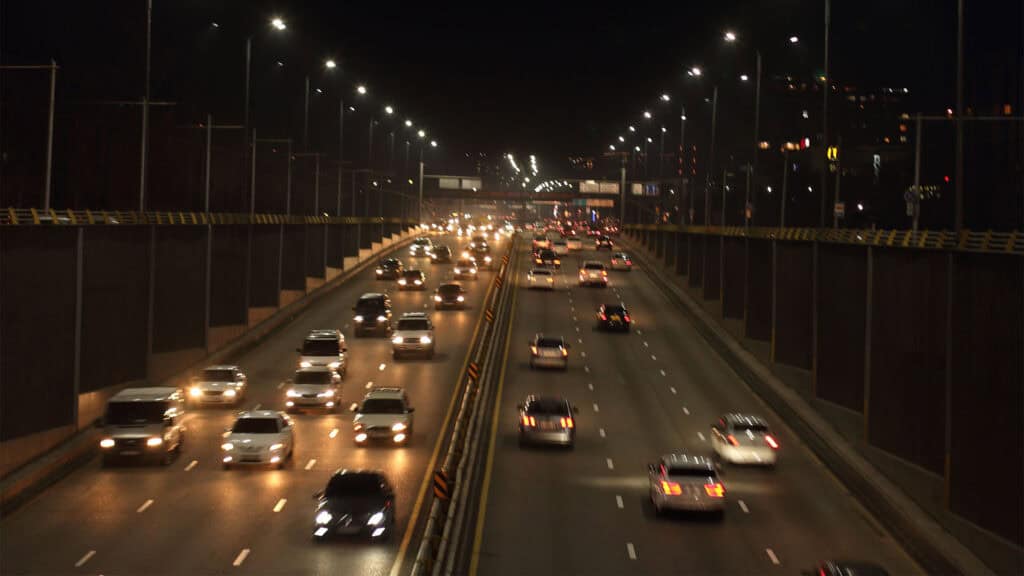
Once you’re on the road, your biggest enemy becomes inconsistent light sources such as oncoming headlights, LED beams, and reflective surfaces. You can’t avoid them, but you can control how you respond. When an oncoming vehicle has overly bright lights, don’t lock your gaze directly onto them. Instead, shift your focus slightly down and to the right edge of your lane. Use the road markings as your visual anchor. This keeps you oriented without forcing your eyes into direct exposure to the brightest source.
During a night drive, speed becomes more important than most drivers realize. Driving slightly slower than your daytime pace gives you more reaction time when glare temporarily reduces depth perception. It’s about maintaining a buffer for imperfect visibility. If you find yourself getting frequent glare fatigue, use your visor more aggressively than you would during the day. Even small adjustments in angle can significantly reduce high-beam intrusion.
Protect your eyes from fatigue
Eye strain during night driving is about sustained focus under low contrast conditions. Your visual system is working harder to interpret less information, which is why fatigue builds faster even when the drive feels “easy.”
A great approach is to consciously reduce unnecessary eye movement. Instead of scanning constantly from side to side, maintain a steady forward focus and use peripheral vision for general awareness. Constantly scanning the field of view increases cognitive load and accelerates fatigue.
Take micro-breaks seriously on long hauls. Even a five-minute break every hour or so can reset your visual focus and significantly reduce strain. Step out of the car, look into the distance, and, if possible, let your eyes recalibrate to natural light levels. Hydration also matters more than most people expect. Dry eyes worsen glare sensitivity, especially in air-conditioned cabins. If your eyes start feeling dry or irritated, your glare tolerance drops immediately.
At the end of the drive, you should feel like you managed light conditions, not survived them. Night driving becomes significantly easier once you stop reacting to glare and start structuring your environment and habits around it.