
How to price your used car right
Selling your loved car is never easy, but the right pricing approach makes it far less stressful.
Selling a used car is rarely a simple process. In my experience, it often feels more emotional than people expect, especially when you’ve owned the car for years and know its condition inside out. At the same time, figuring out the right price can be frustrating because the market rarely gives you a clear answer.
Over the years, I’ve seen the same problem repeat again and again. People either price too high and struggle to get attention, or they go too low and only realize later that they could have done much better.
A Reddit story that shows what happens when you misjudge price
I recently came across a Reddit post that perfectly captures what can go wrong when a used car is priced without enough research. A private seller explained that they sold their car quickly after agreeing on a price that felt fair at the time. The buyer didn’t negotiate much, showed up, paid, and drove away.
The twist came the next day. The seller found the exact same car listed online again, but now at a noticeably higher price. It was clear the buyer had seen an opportunity, purchased the car below market value, and immediately tried to resell it for profit.
This kind of situation is more common than most people think. It usually happens when a seller underestimates the true market range or feels pressured to accept the first reasonable offer. From the outside, the resale might look like clever flipping, but for the original owner, it often leads to second-guessing. You start wondering whether you rushed, whether you should have waited, or whether you simply didn’t understand what your car was really worth.
In my experience, this is exactly why pricing matters so much. Once the car is gone, you don’t get a second chance to adjust the number.
How to establish the right price before listing a car
When I price a used car, I never start with a number pulled from instinct. The biggest mistake I see private sellers make is guessing based on what feels fair rather than what the market is actually doing.
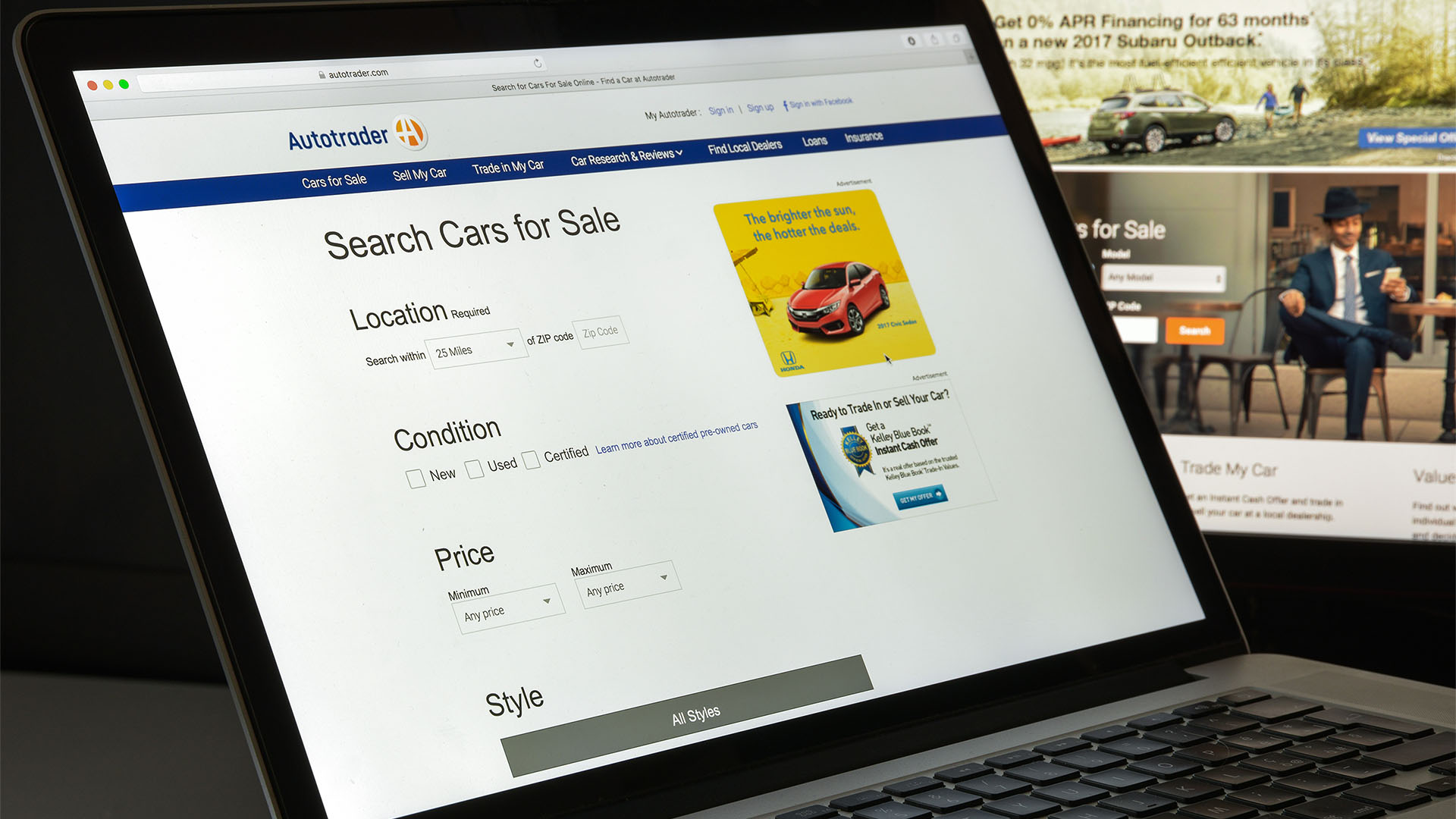
My first step is always research. I look at listings across multiple platforms and focus only on cars that are truly comparable. That means the same make and model, similar mileage, close production year, and a similar trim level. Location also matters more than people think, because prices can shift depending on local demand.
Once I collect several comparable listings, I don’t focus on extremes. It’s easy to get distracted by the highest-priced car and assume that’s what yours is worth, or to panic when you see a low-priced listing. In reality, those are usually outliers. What matters is where most of the listings sit.
Over time, I’ve learned to look for the “real cluster” of prices. That middle range is where cars are actually selling, not just being listed. If you pay attention to that pattern, you start to get a much more realistic picture of what buyers are willing to pay right now, not what sellers hope to get.
The right pricing strategy
Once I understand the market range, I don’t settle on a single number. Instead, I mentally set three levels that guide every decision I make during the sale.
The first is my target price. This is the amount I realistically expect based on the research I’ve done. It reflects the true condition of the car and what similar vehicles are selling for.
Then I set my minimum price. This part is important because it protects you from emotional decisions during negotiations. When a buyer shows up trying to pressure you, it’s easy to start thinking in the moment rather than sticking to what you already decided. The minimum price is the line I don’t cross, because going below it almost always leads to regret later.
Finally, I think about my listing price. This is usually slightly higher than my target price, giving me space to negotiate while still landing in the range I actually want.
The key here is discipline. Buyers will often try to create urgency or push for a quick deal, especially if they sense hesitation. I’ve seen many sellers agree to a lower price just to “get it done,” only to later realize the car was worth more than they thought. The truth is, if your price is aligned with the market, serious buyers will still come. If they don’t, it usually means the price or presentation needs adjustment, not that you should panic and drop it immediately.
From my experience, the sellers who walk away feeling satisfied are not the ones who sell the fastest. They are the ones who did the research, set their limits early, and trusted the process. Once you do that, selling a car stops feeling like a gamble and becomes a structured decision instead.