
Tesla is no longer the world’s No. 1 EV maker — here’s why and who took the lead

As rivals scale faster and China surges ahead, Elon Musk’s EV giant faces mounting pressure in a changing market.
Tesla has dominated the electric vehicle space for the last decade, and its cult following has helped its sales figures skyrocket. The company also shaped consumer expectations while forcing legacy automakers to rethink their futures. But the business is not as good as it used to be. After another year of declining global sales, Tesla has officially lost its title as the world’s largest electric vehicle maker by volume.
The shift itself isn’t shocking to industry analysts, but Tesla’s decline also highlights how the EV market is maturing and how competition, especially from overseas manufacturers, is reshaping the global automotive landscape.
The decline
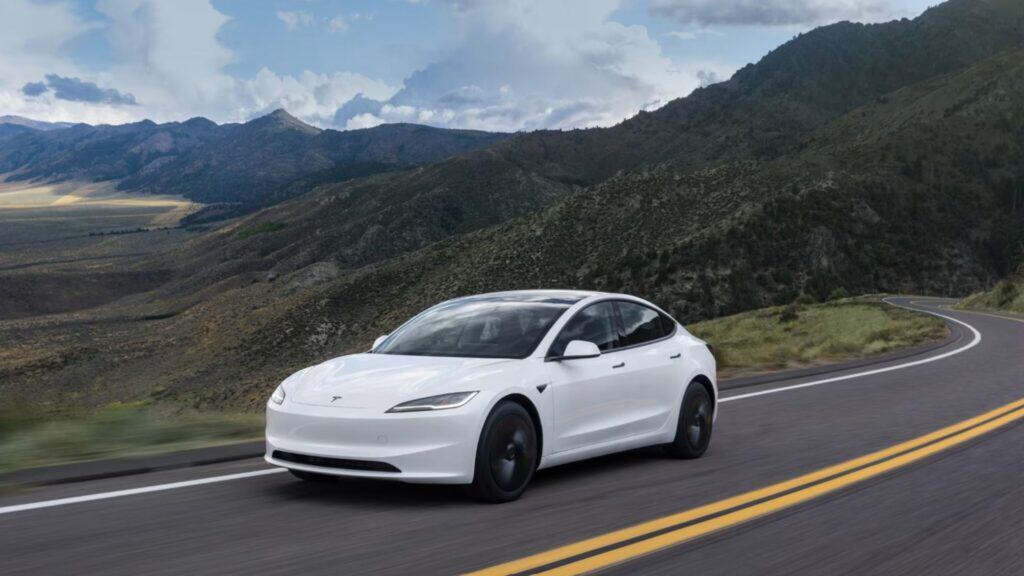
Tesla’s loss of the top spot follows a second consecutive year of softer global sales growth driven by a mix of demand fluctuations and pricing pressure, not to mention intensifying competition. According to Tesla’s own annual delivery reports, global deliveries declined year after year, and it’s a notable shift for a company that used to seeing double-digit growth.
Part of the challenge is Tesla’s aging lineup. Models like the Model 3 and Model Y are still popular, but competitors have flooded the market with newer designs and more localized offers with better price points. At the same time, Tesla’s aggressive price cuts that were meant to stimulate demand compressed margins and signaled that the company was no longer operating from a position of unchecked strength.
In a recent video from Bloomberg Television, analysts discuss Tesla’s EV sales decline. They point out that Tesla’s 2025 deliveries fell about 8.6% compared with the prior year as the company lost its spot as the world’s top electric-vehicle maker. They also make sure to mention the significant shift Tesla has recently faced in market dynamics and competition.
Who took the top spot
Chinese automaker BYD overtook Tesla as the world’s largest seller of electric vehicles in 2025, selling about 2.26 million fully electric vehicles compared to Tesla’s 1.64 million deliveries. BYD’s growth was driven by strong domestic demand in China, the world’s largest EV market, and by expanding sales overseas.
This industry shift is evidence, and a clear message, that EV leadership is no longer concentrated in Silicon Valley. Manufacturing scale and supply chain control now matter as much as brand identity or software capabilities. For consumers, this means more choice. For automakers, it means the EV race is now all about long-term sustainability.

Consumer sentiment is shifting
Another key factor behind Tesla’s sales slowdown is changing consumer sentiment. Early EV adopters were drawn to Tesla’s innovation-first identity, but today’s buyers are more practical. They care about price stability, resale value, charging reliability, and customer service just as much as range or acceleration.
Surveys show that while interest in EVs remains strong, buyers are increasingly hesitant due to cost concerns and infrastructure anxiety. Tesla, once viewed as the safest EV bet, now competes in a crowded market where brand loyalty is weak, and expectations are high. This shift isn’t something that hurts Tesla alone, but EV consumers are now using more discernment across the board when buying.
The Musk factor
It’s pretty much impossible to talk about Tesla without acknowledging Elon Musk’s public presence. He has always stated that his personal business ventures are operationally separate from Tesla, but his visible and polarizing persona has complicated the brand’s image. From a consumer standpoint, brand trust matters as markets mature.
Illai Gescheit, who works with startups and private equity funds, explained why Elon Musk’s “personal brand” hurts Tesla’s corporate brand. He describes the decline in their sales across different regions and goes on to argue that Elon’s personal life is essentially building a negative legacy for his company’s image.
Some buyers remain fiercely loyal to Tesla’s mission but there are those who express hesitation tied to leadership optics rather than vehicle performance. Importantly, this is a message about how personal branding intersects with corporate reputation in the era of social media and constant visibility. Tesla is now learning what many lifestyle brands already know. When a company becomes mainstream, perception management becomes just as important as innovation.
Takeaway
Tesla no longer being the world’s largest EV maker marks a turning point but not necessarily a downfall. The electric vehicle market has matured and competition has intensified, so consumer expectations have shifted from the initial feeling of novelty to long-term value. Tesla helped normalize EV ownership on a global scale, but the market it helped create is no longer built around a single brand. Automakers are now succeeding by offering the right mix of affordability and trust, not just innovation.

For U.S. EV manufacturers, Tesla’s slip is a warning as much as an opening. It’s an example of how difficult sustained EV leadership can be, as that dominance is no longer predetermined. For consumers, it’s the start of a more diversified market with more options and fewer compromises. And for Tesla, their challenge will be adapting to a world where it must compete in the markets like everyone else.
Moving forward, the brands that thrive will be the ones that understand evolving consumer priorities and global competition. But don’t forget that Tesla is not just a carmaker. Their humanoid robots are getting better and better every day, and maybe one day, making cars will no longer be a priority for Elon.