
The “used car goldmine” strategy that can save you thousands without buying a beater

There’s a sweet spot where depreciation works heavily in your favor while reliability is still firmly on your side.
Buying a used car can feel like walking into a financial trap. Dealers push monthly payments, private sellers hide problems, and online listings make every car look like a “rare deal.” But after years of following the market and watching how cars actually age, I’ve noticed the smartest buyers tend to follow the same strategy: they let someone else absorb the biggest financial hit, then step in when the car still has years of dependable life left.
The reliability sweet spot
Most people know cars depreciate quickly, but few realize just how dramatic the drop can be. Vehicles lose around 20% of their value in the first year alone, and roughly 40% to 50% by the time they are five years old. The important part is that modern cars are also lasting longer than ever, and a well-maintained vehicle today can easily reach 200,000 miles without becoming a money pit.
That creates a surprisingly valuable window for buyers, as the reliability sweet spot is usually between 4 and 6 years old.
When I look at used cars, I usually focus on models that are 4 to 6 years old, with reasonable mileage and a documented service history. In many cases, you are getting a car that still feels modern, still has advanced safety features, and still has plenty of mechanical life remaining, but without paying the brutal early depreciation that destroys new-car value.
This is also the stage where many lease returns enter the market. Those cars are often maintained on schedule because the original owner had contractual service requirements. I usually tell buyers to avoid chasing the absolute cheapest listing online. Extremely cheap used cars are cheap for a reason, and they often become expensive very quickly when deferred maintenance catches up all at once. Tires, brakes, suspension, cooling systems, and transmission issues can wipe out any upfront savings.
The goal is not simply to buy cheaply. The goal is to buy at the point where value and remaining lifespan intersect.

A $150 inspection can save you from a $5,000 mistake
One of the biggest mistakes buyers make is assuming a clean-looking car is a healthy car. I have seen vehicles with polished paint, detailed interiors, and spotless photos hide major mechanical problems beneath the surface.
That is why a pre-purchase inspection, often called a PPI, is one of the smartest investments you can make.
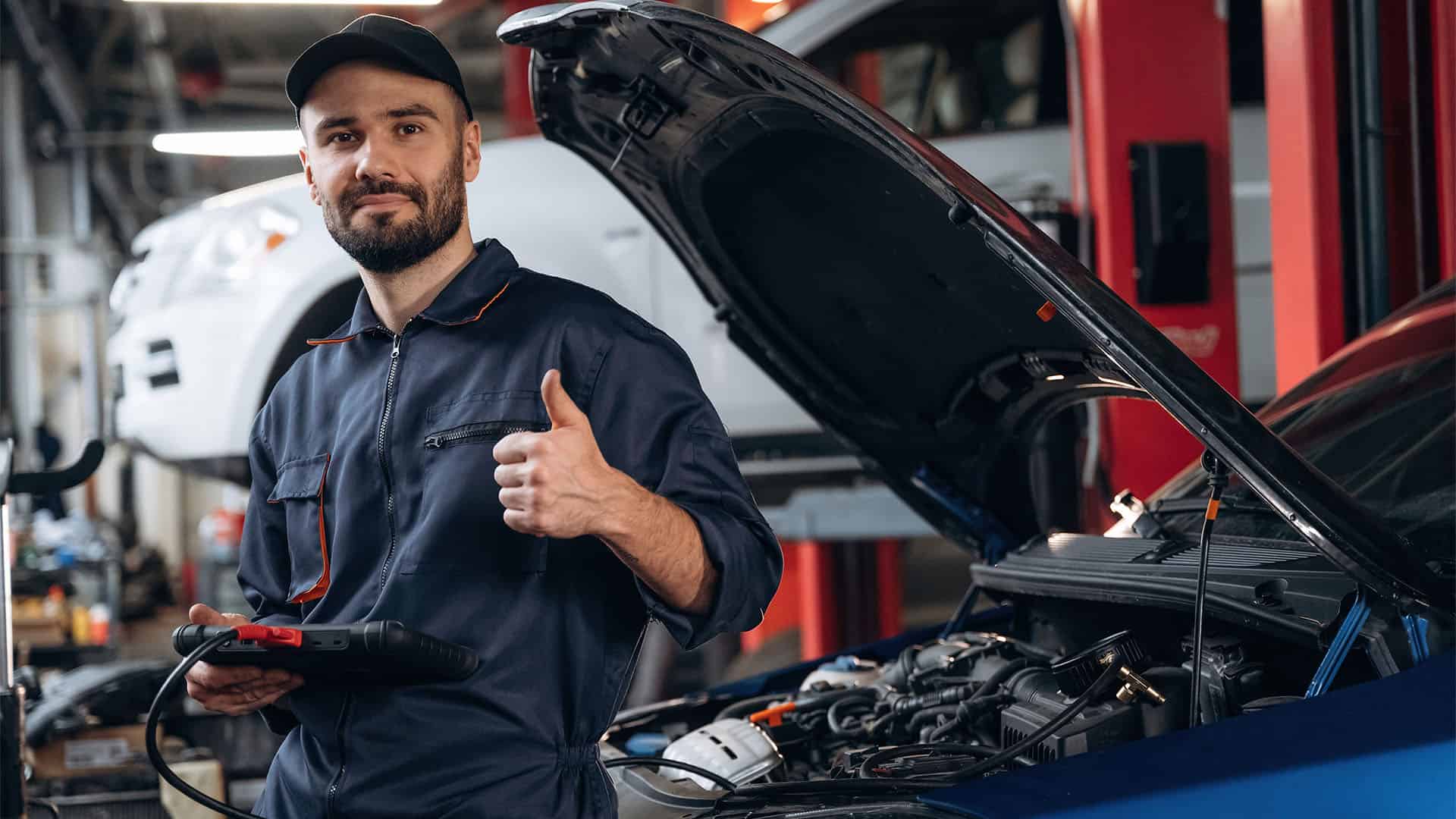
Before buying any used car, I strongly recommend taking it to an independent mechanic for a full inspection. In most areas, this costs around $150 to $250, which is insignificant compared to the potential repair bills you are avoiding. A good mechanic can identify oil leaks, worn suspension components, hidden accident damage, transmission issues, or signs of poor maintenance. Even with trained eyes, without a deep-dive inspection, it is risky to spend thousands on a car that might have a serious issue not visible from a distance.
There are also several things you can check yourself before even paying for an inspection. I always look for uneven tire wear because it can indicate suspension or alignment problems. I pay attention to cold starts because issues often disappear once the engine warms up. I also inspect panel gaps and paint inconsistencies that may reveal previous collision repairs.
Inside the car, warning lights should illuminate briefly during startup and then disappear. If a seller starts the car before you arrive, I immediately become cautious because they may be trying to hide some issues.
A trustworthy seller usually welcomes an inspection, and when someone refuses one, they are often giving you your answer already.
The best negotiation tactic
Many buyers approach negotiations the wrong way. They simply ask, “What’s your lowest price?” In my experience, that rarely works, and I wouldn’t call it negotiation.
The buyers who get the best deals usually arrive prepared, and the best tactic is preparation, not pressure. Before contacting a seller or dealer, I like to research comparable listings carefully to understand the realistic market range. If you walk in informed, it becomes much harder for someone to manipulate the conversation around monthly payments or emotional sales tactics.
One strategy that works especially well with dealerships is requesting quotes by email before visiting in person. It creates a paper trail and reduces some of the pressure in the showroom. Dealers also tend to take you more seriously when you already have financing pre-approved through your bank or credit union. It changes the negotiation dynamic immediately because you are shopping as a buyer with actual purchasing power, not someone still figuring out their budget.
I also recommend making concrete offers backed by evidence rather than vague bargaining. Pointing out upcoming tire replacement, overdue maintenance, or comparable listings nearby is far more effective than demanding discounts without justification.
Finally, I recommend avoiding emotional attachment during negotiations. The moment a seller senses you are already mentally driving the car home, your leverage starts to disappear. I have walked away from deals over surprisingly small issues simply because being willing to leave is one of the strongest negotiating positions you can have. In many cases, sellers or dealers suddenly become more flexible once they realize you are serious about continuing your search elsewhere.