
Car maintenance checks I never skip before a summer road trip

The easiest way to ruin a summer road trip is to ignore the small things your car’s been trying to warn you about.
Summer road trips always sound great in theory until someone ends up stranded on the shoulder with steam coming out of the hood or a dead battery. Most of the time, the breakdowns don’t happen out of nowhere. It starts with small maintenance issues drivers put off because the car still “seems fine.” Before any long summer drive, there are a handful of checks I never skip because hot weather and highway mileage can turn minor problems into expensive ones fast.

Tires are always my first priority
Even though most modern cars have a tire pressure monitoring system, I still like to do a quick manual check—it takes seconds and costs nothing, but it can make a real difference on a long trip. Underinflated tires don’t just wear unevenly, they also increase the risk of a blowout when you’re driving for hours at high speed, so it’s worth paying attention to tread depth as well, especially with summer storms that can quickly turn highways slippery.
What feels perfectly fine around town can behave very differently once you’re doing 75 mph in heavy rain. Another important check is to inspect the spare tire. Make sure the tire pressure is ok, the tire is still in good condition to drive on, and you have all the tools to replace a wheel roadside.
Many new cars, especially EVs, don’t carry spare wheels, but they do have tire repair kits as a great backup option, even if you have a spare wheel.
Check the cooling system
Overheating is one of the most common summer road trip problems, especially in extreme heat. I always check coolant levels before leaving. If you are suspicious, pay attention to warning signs like rising temperature gauges, coolant spots under the car, or sweet smells coming from the engine bay. They can tell you that something is off before you run into a serious issue in the middle of nowhere.
Coolant leaks or improper circulation in the system can quickly become major problems when the car’s sitting in traffic on a hot day. I also check the radiator hoses. If they’re cracked, brittle, or swollen, they’re worth replacing before the trip instead of gambling on them lasting another thousand miles.
Weak battery
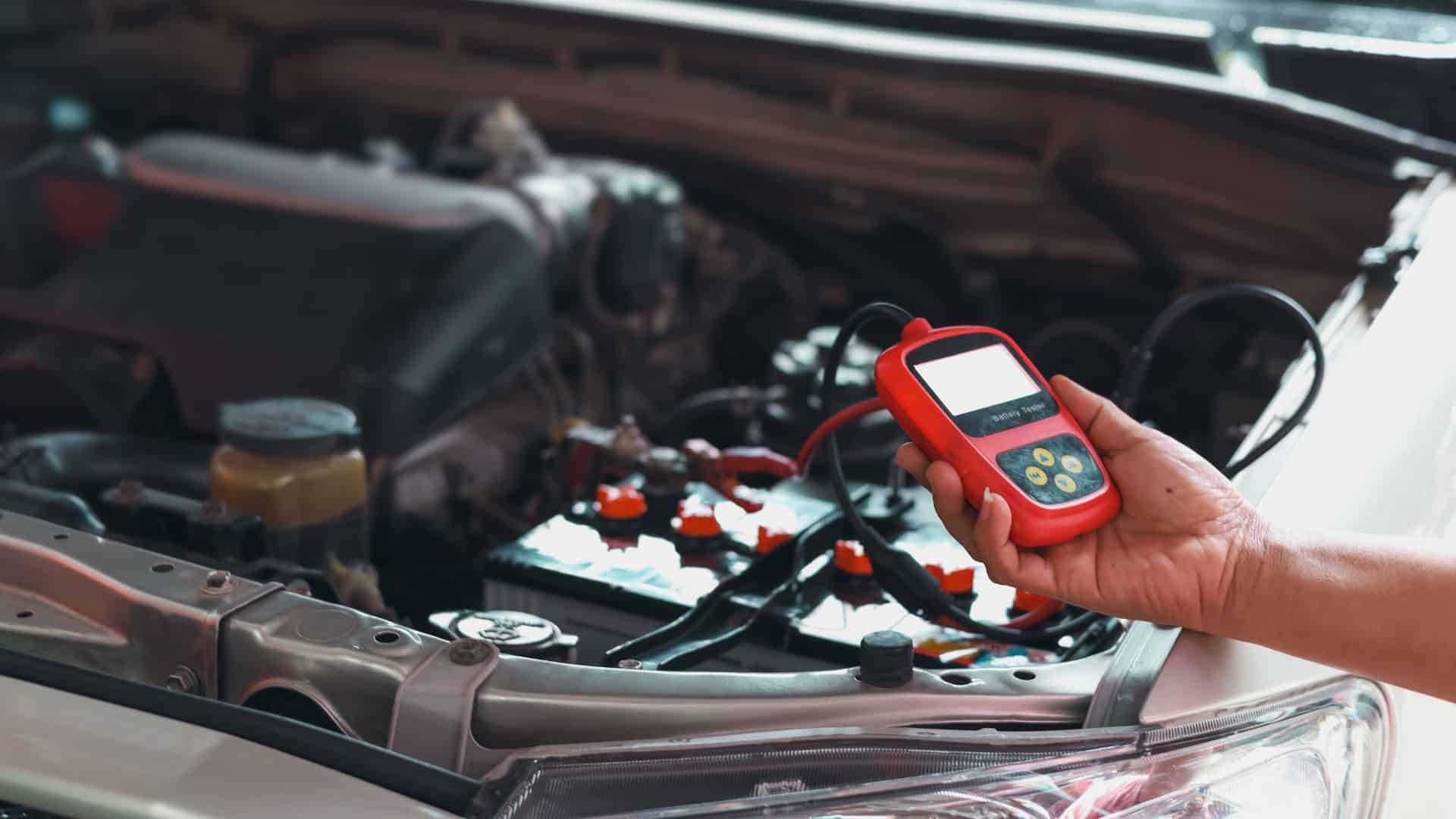
People think batteries mostly die in winter, but summer heat is rough on them, too. High temperatures speed up wear inside the battery, especially if it’s already a few years old. If the car has been slow to start or electrical systems seem inconsistent, it can indicate a battery issue. The last place anyone wants battery trouble is at a remote gas station hours from home. A quick battery test before leaving is cheap insurance.
Oil and brakes
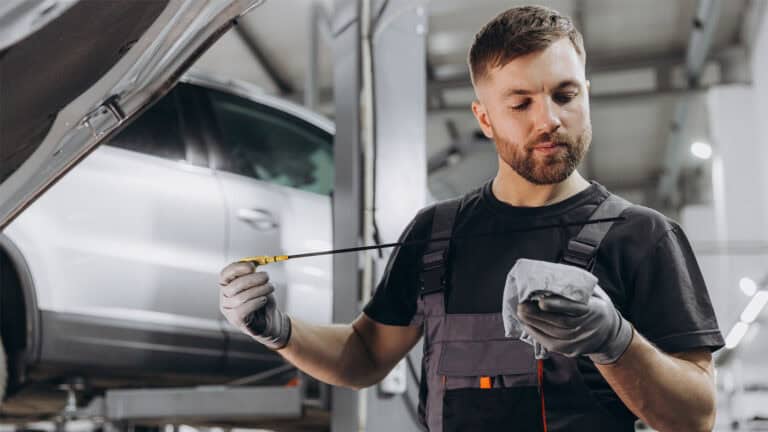
An engine oil check is quick and easy, and I recommend it before every long drive. Also, if you know the car needs an oil change soon, it is better to have it done before the big trip, just to be on the safe side.
Brakes are another important factor to be aware of. Around town, worn brakes might feel manageable to you, but mountain roads, heavy traffic, and a fully loaded car expose brake problems quickly. Squeaking, grinding, vibration, or soft pedal feel are things I handle before the trip, not during it.
AC, wipers, and visibility checks are easy to overlook
A weak AC system can turn a long summer drive uncomfortable surprisingly fast, and it’s not just about comfort. Heat and discomfort slowly wear you down mentally, and fatigue or dehydration can affect your focus more than you notice in the moment. That’s why I also make sure the cabin is ready for long stretches of driving, not just the engine.
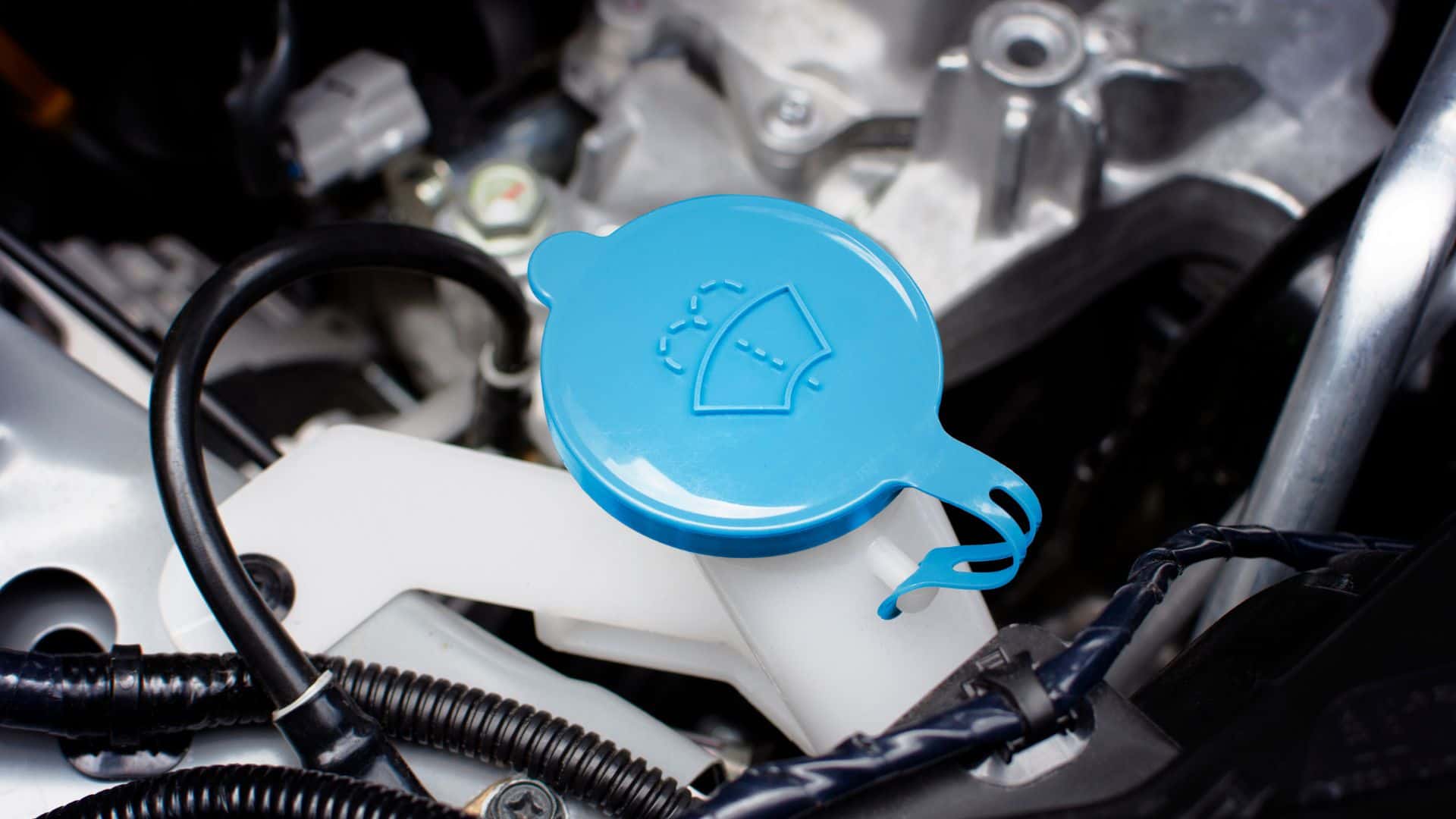
Before any road trip, I replace old windshield wipers if they’re even slightly worn, because summer brings a mix of bugs, dust, and sudden storms that can reduce visibility in seconds. I always top up the washer fluid too, since highway grime builds up quickly and clear visibility can disappear faster than you expect.
Emergency supplies should not be forgotten
I never rely completely on roadside assistance because wait times and cell service can both be unreliable. At minimum, I keep water, jumper cables, a flashlight, a phone charger, a tire inflator, and a basic first-aid kit in the car. Even small problems become much less stressful when you’re prepared for them, and these cost nothing compared to if you run into a serious problem.