
Best value used EVs: Where smart buyers are saving thousands in 2026
Smart shoppers are skipping the showroom and turning to these proven electric models for value, reliability, and range.
As the electric vehicle market continues to mature, more drivers are asking a practical question: what happens when the “new” EV becomes the “smart used buy”? With rapid innovation, shifting incentives, and evolving regulations, the used EV market heading into 2026 looks more interesting and more opportunistic than ever.
Why used EVs are becoming the smart money move
If you’re looking at electric vehicles right now, you’re stepping into a market that behaves very differently from traditional combustion cars. EV technology is advancing so quickly that depreciation tends to be steeper than what most drivers are used to. That means cars lose value faster because newer versions arrive with better range, faster charging, and improved software.
At the same time, tariffs, production costs, and regulatory pressures have pushed new EV prices to record levels across every segment. The upside for you is clear: gently used EVs are becoming disproportionately affordable compared to their original MSRP, often delivering 80–90% of the real-world experience for a much more reasonable cost. Modern EVs are also mechanically simpler than internal combustion cars. Battery warranties are long, typically 8 years or more, and failure rates remain low across major brands. In other words, used EVs are increasingly safe bets.
If you decide to buy one, I want you to focus on two often-overlooked factors that can make or break your deal. First, insurance. Some EVs, especially those with high performance or expensive parts, carry surprisingly high premiums that can erode your savings. Second, location. Used EV pricing varies significantly by region and incentives, and in high-demand EV markets, prices can be inflated. In lower-demand regions, you can sometimes find identical cars for thousands less. In some cases, it genuinely makes sense to travel, or even fly, to pick up the right deal.
The best used EVs for 2026
If I were looking for a used EV, I would focus my search on a small group of proven models that balance price, reliability, and everyday usability.
2017–2023 Tesla Model 3

The first is the 2017–2023 Tesla Model 3, priced roughly between $20,000 and $30,000, with a real-world range of 220-358 miles depending on configuration. If you want a safe, rational entry into EV ownership, this is still the benchmark. Tesla’s charging network remains a major advantage, and the software experience is still ahead of most competitors. The Model 3 also drives better than many expect. It’s responsive, agile, and feels more like a compact sports sedan than a commuter car.
From a used buyer’s perspective, it’s also proven durable. High-mileage examples are common, which matters when you’re evaluating long-term reliability. While you can find cheaper Model 3s for around $15,000, they usually have high mileage. The real value zone sits closer to $25,000, where you’ll often find newer 2–3-year-old vehicles in good condition. If you can, I would steer you toward the Long Range dual-motor version. It gives you stronger acceleration, better winter performance, and a noticeably improved audio system.
2022–2024 Hyundai Ioniq 5

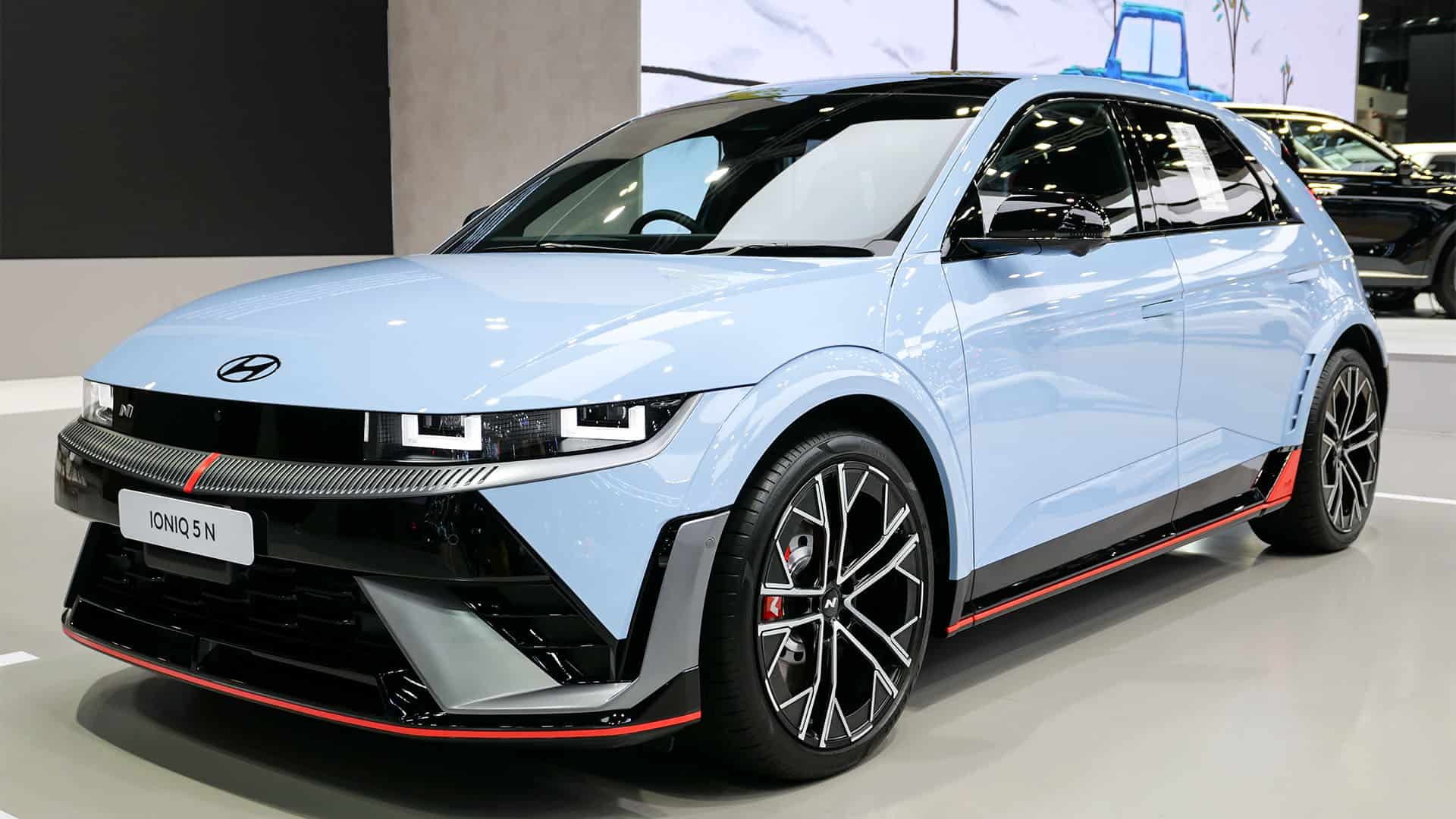
Next, the 2022–2024 Hyundai Ioniq 5, typically priced between $26,000 and $33,000, has a range of 220 to 303 miles. This is one of the easiest EVs to recommend if you want something modern, practical, and road-trip capable. The Ioniq 5 stands out for its ultra-fast charging: 10% to 80% in under 20 minutes under ideal conditions, which fundamentally changes how you use the car on longer trips.
It’s also one of the most comfortable and spacious options in its class, with a cabin that feels more flexible than the Kia EV6 and more intuitive than the Volkswagen ID.4. For most buyers, I would suggest avoiding the base small-battery version unless you are certain you don’t need long range. The real sweet spot is the larger battery with all-wheel drive. That configuration gives you the balance of performance, usability, and year-round confidence that makes the Ioniq 5 such a strong all-rounder.
2017–2024 Chevrolet Bolt
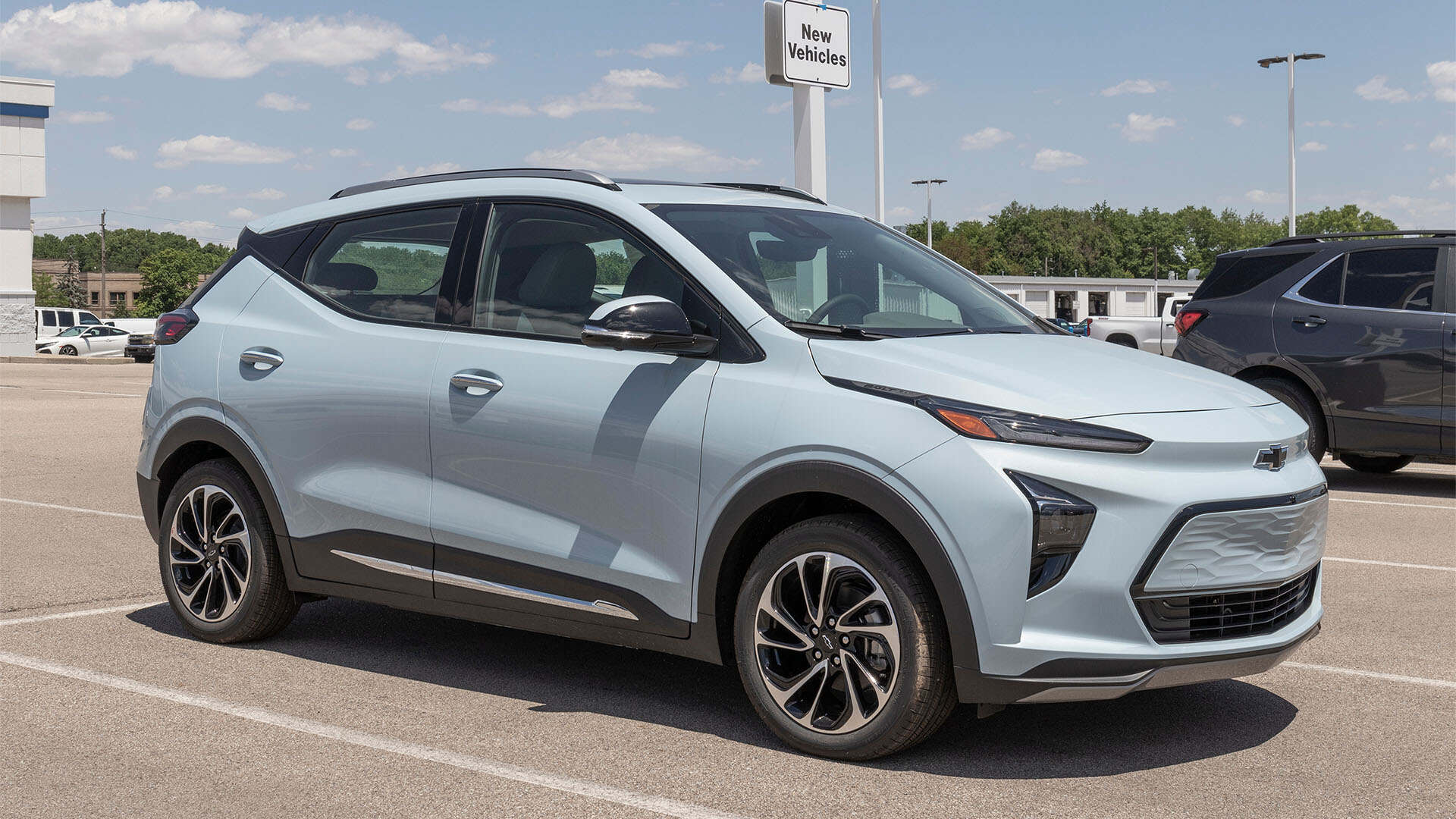
Finally, the 2017–2024 Chevrolet Bolt and Bolt EUV, priced roughly between $13,000 and $20,000, have 238 to 259 miles of range. If your goal is maximum value per dollar, this is where I would point you. The Bolt is not flashy, but it is brutally effective as a daily EV. It’s compact, easy to park, inexpensive to maintain, and surprisingly enjoyable in urban driving conditions.
You should understand its limitations clearly: it is not a premium road-trip EV. Early models lacked fast charging entirely, and even equipped versions charge at relatively modest speeds. That means longer stops on highways. But as a second car or city-focused commuter, it is one of the most cost-efficient EVs you can buy today. In many cases, it delivers the lowest cost of ownership of any EV on the market.
If I leave you with one guiding principle, it’s this: don’t buy the EV that looks best on paper; instead, buy the one that fits how you actually drive. The Model 3 is your balanced all-rounder. The Ioniq 5 is your modern road-trip machine. The Bolt is your budget-efficient daily workhorse. If you align the car with your real usage needs, the used EV market in 2026 can be a strategic advantage.