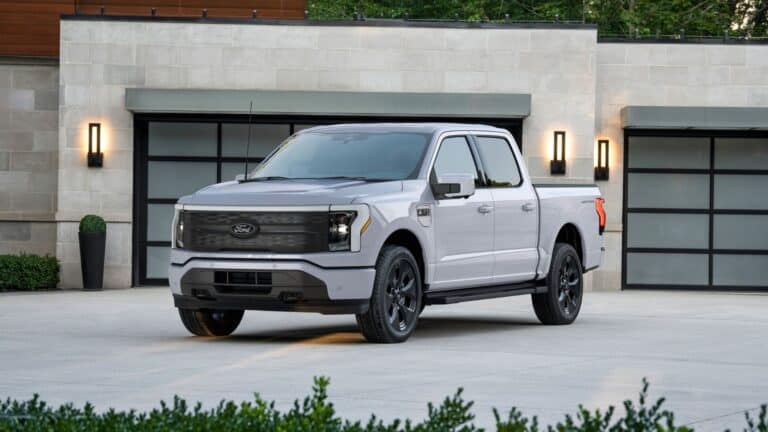

What every buyer should know before buying an electric car in 2026

Planning to buy an electric car in 2026? Keep these key considerations in mind to make a smart, confident decision in a fast-changing market.
Electric vehicles have moved far beyond the experimental phase of a decade ago. Nearly every major automaker offers a full lineup of electric cars, trucks, and SUVs, with longer range, quicker charging, improved reliability, and far more competition across the board. But all that progress hasn’t made buying one simpler; if anything, it’s made it more complicated. The market evolves quickly, the technology shifts even faster, and pricing can be difficult to compare at a glance.

Set a realistic budget and factor in every cost
EVs can look expensive upfront, but the long-term picture is often more favorable than gas cars. In 2026, pricing is expected to start under $30,000 for small compact models such as the Nissan Leaf or Chevy Bolt, but high-end models will be well over $100,000.
Beyond the sticker price, buyers should consider the following:
Financing cost: Compare interest rates across lenders, carefully review loan terms, and avoid stretching payments over long periods, which can raise the overall cost. For lease, pay attention to the contract length, mileage limits, and the money factor, which functions like the interest rate.
Home charging hardware and installation: People spend between $800 and $2,500 to install a Level 2 charging station, depending on electrical panel capacity, wiring distance, and local labor rates. Confirm whether your home’s electrical system can support a charger and get quotes from licensed electricians before purchasing equipment.
Long-term maintenance: Electric vehicles require far less routine maintenance than gasoline cars, but “low maintenance” doesn’t mean “maintenance-free.” Tires often wear faster due to the extra weight and instant torque, and suspension components still need periodic replacement. Repairs outside the warranty can also be expensive, as EVs rely on complex electrical systems that require specialized technicians.
Starting with a firm budget prevents being swayed by unnecessary tech features or high-end trims. Some EVs offer compelling performance at lower costs, while others pack luxury features that may not fit your daily needs.
Research state and local incentives
Even with shifting federal credits, state and local incentives remain an important way to reduce EV costs. Some regions offer rebates for vehicle purchase, home charger installation, or reduced registration fees. For example, in California, residents are eligible for up to $7,500 toward a new or pre-owned EV, and financing up to $45,000. While in Texas, GVEC offers a rebate of up to $600 for installing a Tesla Wall Connector.
Home charging matters — public charging is still expensive

A common mistake among new EV buyers is underestimating the importance of home charging. For most owners, overnight charging at home is the most practical and cost-effective option, averaging about 17.45 cents per kWh. Public charging, while expanding, remains significantly more expensive — averaging 40.8 cents per kWh — and can be less predictable, especially in rural areas or during peak travel times. Some home installations are straightforward, while others require electrical panel upgrades, so it’s essential to factor these potential costs into your budget to avoid surprises.
Choose a real-world range over 300 miles
Manufacturers’ range estimates often overstate what you’ll get in real-world conditions; cold weather, fast driving, and heavy loads reduce range. Look for a range of at least 300 miles or more for premium vehicles. The higher range allows flexibility and less frequent charging. Cars with a lower range are still workable but may limit longer trips and increase planning effort.
With EVs it is essential to choose a vehicle that fits your needs. For a daily driver in the city, even 200 miles is enough, especially if overnight home charging is possible. If you want to use the car for longer trips, aim for 300 miles or more.
Look for fast-charging capabilities that actually work
When on a road trip, charging speed matters more than advertised. A reasonable benchmark in 2026 is 10–80% in under 30 minutes. Real-world charging depends on battery size, chemistry, and the charger itself. Even if the charger and the vehicle are rated for 200 kW, that doesn’t mean you’ll actually reach that speed. Real-world charging rates vary widely and depend on factors such as battery temperature, state of charge, and the charging station’s capabilities.
Prioritize 800-volt battery architecture
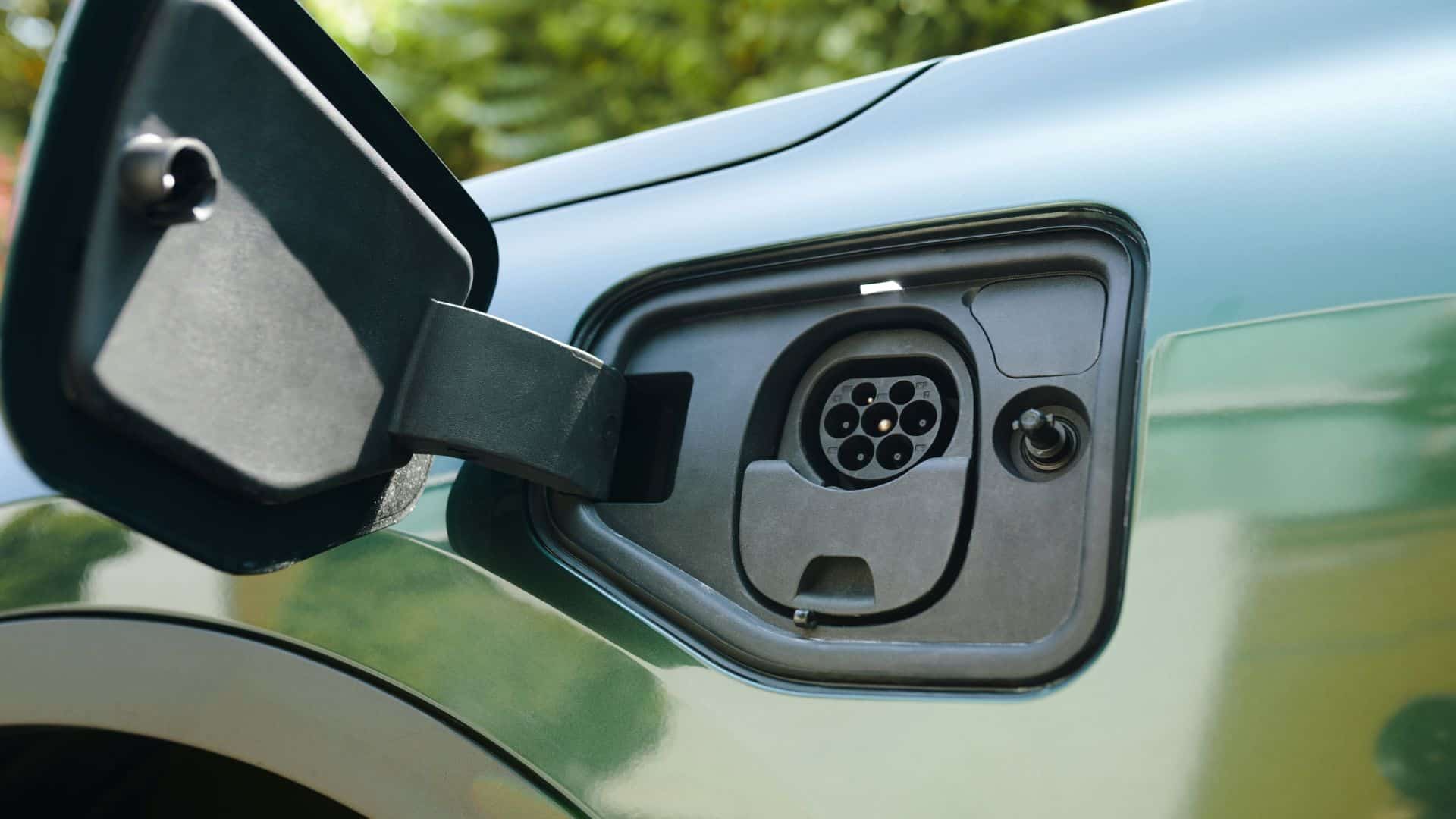
Most electric vehicles today use 400-volt battery architecture, but the industry is steadily moving toward 800-volt systems. Automakers are adopting higher-voltage designs because they improve efficiency, enable better thermal management, and reduce charging times. While 800-volt models tend to cost more due to newer technology, the performance gains give them a clear edge. As production scales and more brands transition to this architecture, prices are expected to fall. Current 800-volt EVs include the Porsche Taycan, Kia EV6 and EV9, and Hyundai’s IONIQ 5 and IONIQ 6.
Battery warranty
Battery warranty remains one of the most critical factors to consider when buying an EV, largely because battery issues are among the most feared concerns for owners. Studies show modern EV batteries generally last far longer than early predictions suggested, but a failure outside the warranty period can still cost a fortune. Most manufacturers provide about 8 years, or roughly 100,000 to 150,000 miles, of battery coverage.
Tesla’s warranty terms vary by model but typically offer eight years with a mileage cap and a guarantee that the pack retains around 70 percent of its original capacity.
Hyundai offers 10 years / 100,000 miles of coverage on its EV batteries, often paired with robust degradation protections.
These warranties ensure that if the battery fails prematurely or experiences excessive capacity loss, the manufacturer will repair or replace it. For 2026 buyers, comparing warranty length, mileage limits, and minimum capacity-retention guarantees remains essential, as these factors significantly influence long-term ownership costs and resale value.
Ensure charging port compatibility
In 2026, many automakers are adopting the NACS charging port (Tesla’s North American Charging Standard). This increases access to public networks, including Superchargers, and ensures compatibility with third-party stations. Standardized ports make long-distance travel easier and reduce the stress of searching for compatible chargers.
Watch for emerging tech: solid-state batteries
Solid-state batteries promise higher energy density, faster charging, longer life, and improved safety. While not yet mainstream, 2026 will see early adoption in select models. The new Mercedes-Benz EQS is expected to use this technology, but it won’t be an everyday car anytime soon. Even if you don’t buy a solid-state EV immediately, choosing a brand that invests in the tech may improve longevity and software support.
Questions to ask yourself before purchasing an EV in 2026: Will it simplify daily life? Will it reduce stress and save money over time? Will it remain practical five years from now? Follow these principles: smart budgeting, real-world range, strong charging capabilities, compatibility, and solid warranties.