
Should you buy a used EV in 2026? The risks, myths, and real opportunities

As new EV sales slow and prices soften, the used market may offer unexpected opportunities.
New car prices remain elevated, keeping many vehicles, including electric models, out of reach for average buyers. Although automakers such as Ford have discussed plans for more affordable EVs around the $30,000 mark, those options remain limited and have not yet reshaped the market. For many drivers, the used market remains the most practical route. With demand for new EVs softening, 2026 may be a timely opportunity to take a closer look at used EVs.
Let’s take a look at where the EV market stands today, identify the most significant concerns, and explore why prices drop so rapidly.
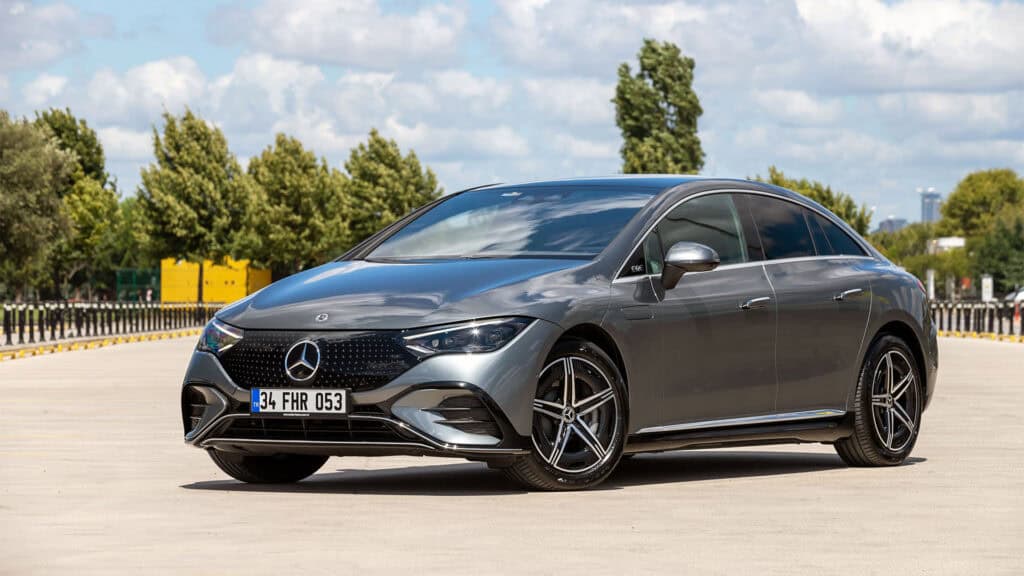
The rise and fall of EVs in the U.S.
Electric vehicle adoption in the United States has expanded rapidly over the past several years, but recent data suggest momentum has cooled. January’s new EV sales totaled an estimated 66,276 units, down 29.9% from a year earlier and down 20.4% month over month, reflecting declining consumer demand. Analysts point to factors including higher upfront costs compared to gasoline and hybrid vehicles, charging infrastructure concerns, and shifting federal incentive structures that have made some models less eligible for tax credits.
At the same time, the secondary market tells a different story: the average listing price for used EVs was $35,442 in January, down 5.1% year over year. With improving affordability and narrowing price gaps versus internal combustion engine (ICE) vehicles, used EVs are expected to remain a relative bright spot within the broader market.
Common misconceptions about second-hand EVs
Buying a used car can be frustrating, as we often lack the necessary experience and knowledge about cars in general. Even if we have gained some knowledge and experience with petrol cars over the years, EVs bring a whole new level of frustration. Most people are unfamiliar with these, and only a small percentage of the nation has ever driven or purchased an EV.
Let’s see what are the few myths that make people second-guess used EVs:
Battery quality is an issue
Most EV batteries are designed to last at least 100,000 miles, and many come with warranties that cover up to 8 years or 100,000 miles of use. Since most of the used EVs are only a few years old, you will likely buy a car under warranty. Also, check the manufacturers’ extended warranty offers for certified used vehicles. With the extra warranty, you can buy some hassle-free miles or years. The other good news is that, according to research, EV batteries have a much longer lifespan than initially expected.
Used EVs are ugly
Some years ago, most EVs looked just awful, but Tesla changed this trend, and since then other manufacturers have started taking EV design seriously. If you don’t believe, just check out the new Audi e-Tron.
Charging is slow and complicated
Most electric vehicles (EVs) can be charged from a standard home outlet. If you live in a house, you can install a home charging station for a reasonable price and start saving big on fuel from day one. And if you’re on the go, most modern EVs can be charged from 20% to 80% within 40 minutes, depending on the charging station. As of 2026, there are more than 200,000 public charging ports nationwide, and DC fast-charging infrastructure has expanded to 68,000. This can significantly reduce charging time. As the number of EVs grows steadily, the infrastructure will adapt to the new demand.
They have excessive tire wear
Yes, tire wear can be greater than on an ICE car for two simple reasons. EVs are heavier and have much more torque and horsepower than an average petrol vehicle. Combined with the fun they can give you when you overtake sports cars at the red light, they can eat up your tires quickly. All in all, if you drive normally, the tires will last almost as long as on a petrol car.

Why EV prices drop so rapidly
EV prices drop rapidly, primarily due to fast-paced technological advancements and high depreciation rates. New models often offer improved range, faster charging, and updated features, which can make older electric vehicles seem outdated quickly. Concerns and misconceptions explained above also result in lower resale values.
At the same time, a wave of off-lease EVs is hitting the used-car lot, which gives shoppers plenty of options and driving prices down. All these pressures combine to make electric cars depreciate faster than comparable gasoline models.
What you need to check before purchasing a second-hand electric vehicle
If you’re considering buying a used EV, I suggest digging a little deeper:
- Battery Health Report: Get a readout of the current battery capacity compared to its original capacity. A local dealer or specialist can do it quickly if the seller does not already have it.
- Warranty Status: Many EVs still have active battery and powertrain warranties. Ask for details.
- Charging Compatibility: Check the car’s technical details, and make sure you have a solution to charge it at home or at work to reduce the cost.
- Service Records: Look for regular maintenance and any past battery repairs, just like for any used car. If the battery has been replaced or serviced, it usually comes with a warranty. Don’t forget to check that, too.
- Mileage and Usage: Lower-mileage city-driven EVs often have less battery degradation than highway-heavy cars. Good to know, cars used in a hot climate can experience greater battery degradation.
- Vehicle History Report: Just like with any used car, check for accidents, title issues, or odometer rollbacks.
Also, ask if the car has had any software updates or recalls addressed, these can impact performance and safety.
Is it worth it?
So, would you buy a used EV in 2026? If you’re looking to save money, reduce your environmental impact, and enjoy a smooth, high-tech driving experience, the answer might be a solid yes.
While there are still valid concerns about range and infrastructure, the financial and practical benefits continue to grow by the day. With the right research and a bit of patience, you can find a reliable, affordable, and fun-to-drive electric car that fits your lifestyle and your budget. If not, you can still get a decent petrol car that will serve you well for many years. With the vast number of cars on the road, it will take several years for EVs to dominate the market, and petrol cars will remain with us for many years to come.
Whether you choose EV or petrol, the second-hand market is full of good deals just waiting to be found.