

Jury finds Meta, YouTube designed apps to be addictive to kids — what does this mean for parents
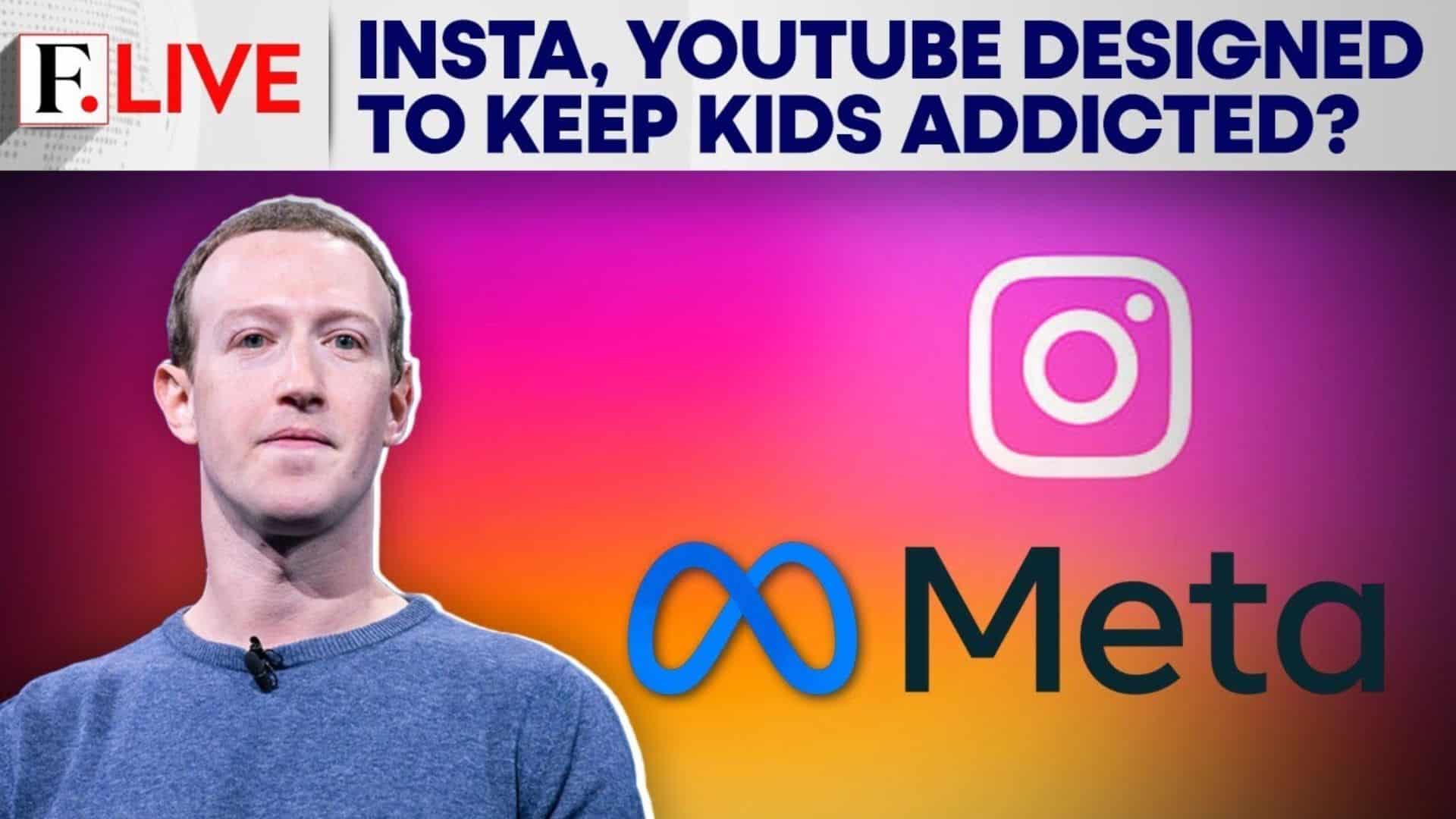
New landmark verdict finds Meta and YouTube liable for designing addictive platforms that harmed a young user, and it could change how parents manage kids’ screen time.
For years, parents have had the same suspicion that some social media apps are designed to be addictive. Now, for the first time, a jury has basically said the same thing out loud. In a case that’s already sending a craze through Silicon Valley, Meta and YouTube are being called out not just for what’s on their platforms, but for how they were designed in the first place. Since the news broke, it’s opened up a much bigger conversation about kids, screens, and who’s actually responsible when things go too far.
The trial that shocked Silicon Valley
In a case known as K.G.M. v. Meta et al., a 20‑year‑old woman sued Meta and Google’s YouTube, claiming that these companies engineered their platforms to be addictive, especially to young users. Starting from age six on YouTube and nine on Instagram, she says the apps hooked her into long hours of scrolling, contributing to serious mental health struggles, including anxiety, depression, and body image issues.
After nearly seven weeks of testimony and evidence, and more than 40 hours of deliberation, the Los Angeles jury sided with the plaintiff. They concluded that Meta and YouTube’s features like infinite scroll, algorithmic recommendations, and autoplay weren’t just engaging, but negligently designed to keep young users glued to screens without proper warnings about the risks. The jury awarded a total of about $6 million in damages, splitting responsibility so Meta pays the larger share.
This verdict is historic. It’s the first time jurors in a U.S. civil trial have held social media companies accountable for the addictive nature of their product design, rather than just the content on their platforms. Experts say this could shape hundreds, even thousands, of lawsuits already in motion. It also contradicts what we’ve heard from platform executives before, who previously insisted that social media doesn’t qualify as addictive.
On Reddit, threads exploded with comments ranging from “this is overdue” to “the damage has been done, and the big techs pay fines as if it’s just another tax – that’s fine, worth it, and they remain profitable. We need way more than that; we need regulations and actions from governments to make sure the cycle is broken, addiction is treated, etc.,” which captures the broader debate around tech responsibility and parenting in the digital age. Others online say this is a clear message to parents that their children’s online safety cannot be left in the hands of these platforms.
What this means for parents
These platforms aren’t just popular with kids, they’re designed to keep them coming back. Awareness matters, and so does how you choose to respond to it at home. The reality is, tech companies build their apps to maximize engagement because that’s what generates profit. But constant, unsupervised use can have real effects, especially on younger users who are still figuring out identity, confidence, and boundaries.
Simple boundaries like keeping phones out of bedrooms at night or carving out no-phone time during meals can go a long way in breaking that constant scroll cycle. Using built-in tools on platforms like YouTube and Instagram to track and limit usage can also help, especially when those limits are agreed on together rather than imposed.
The best option, if at all possible, is to keep young kids offline period. At the same time, it’s not just about how long kids are online, but how it’s affecting them. Changes in mood, sleep, or confidence can be bigger red flags than screen time itself, and those are the moments where open, low-pressure conversations matter most. Encouraging alternatives, whether it’s hobbies, sports, or just time offline, can help loosen the grip these apps have.
Why this matters
It’s also important to note exactly what your kids are sharing, especially as everyday posting habits can put you at risk more than you realize. This is potentially a watershed moment in how American courts view big tech’s responsibility for the well‑being of young users. Lawyers and advocacy groups are already calling this the “tobacco moment” for social media, comparing it to decades of litigation that changed how nicotine products were marketed and regulated. For now, Meta and YouTube intend to appeal, and future trials may refine or reshape this narrative.
At the end of the day, the digital world, for all its positives, also has a negative impact that goes beyond memes and viral dances. It’s touching real lives, shaping real behavior, and now, it lands in real courtrooms. For parents, that means the conversation about screen time, safety, and balance just got a whole lot louder and harder to ignore.