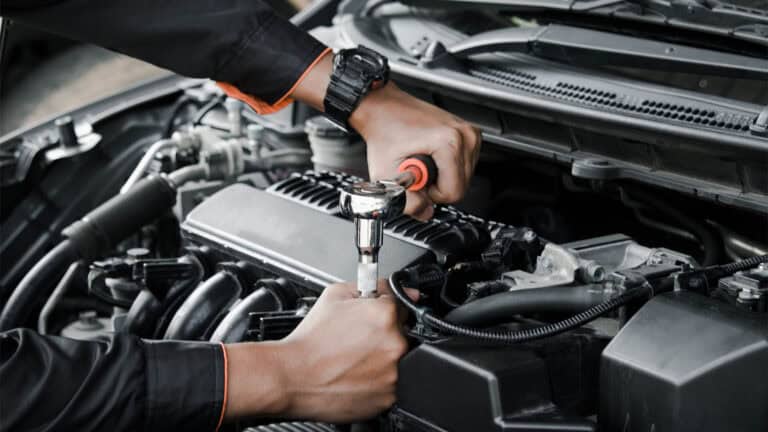

Essential car maintenance checks anyone can do in 10 minutes—avoid costly repairs
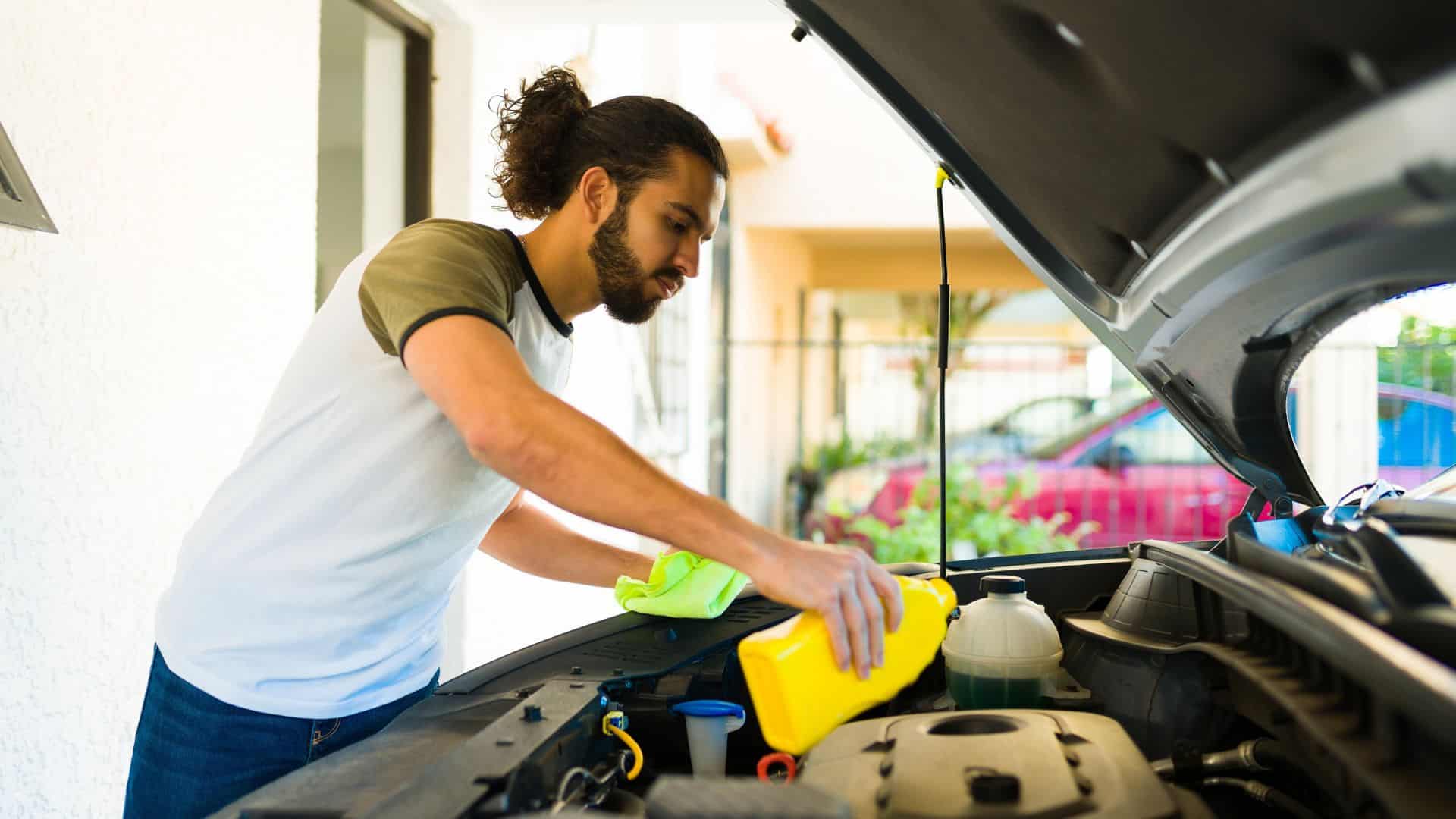
Staying on top of these five basic checks takes just a few minutes, but the payoff is significant.
You don’t need a garage full of tools or an entire free afternoon to stay on top of your car’s health. Some of the most important maintenance checks take less time than scrolling through your phone, but skipping them can cost you hundreds later. From fluid levels to tire wear, these quick inspections are the difference between catching a small issue early and getting stranded on the side of the road. Here’s what you can check right now, no experience required.
Engine oil level
Engine oil is your car’s lifeblood, and running even slightly low can accelerate wear or lead to serious engine damage over time. The good news is that checking it takes about two minutes. With your car parked on level ground and the engine cooled down, pull out the dipstick, wipe it clean, reinsert it, and pull it out again to read the level. You’re looking for the oil to sit between the minimum and maximum marks.
Color matters too. Fresh oil is amber, and dark or gritty oil can signal it’s time for a change. Low oil levels might point to leaks or normal consumption, but either way, topping it off early is far cheaper than dealing with engine repairs. Every owner’s manual has a note about it, and if you struggle, here is a useful video on how to do it.
Brake fluid
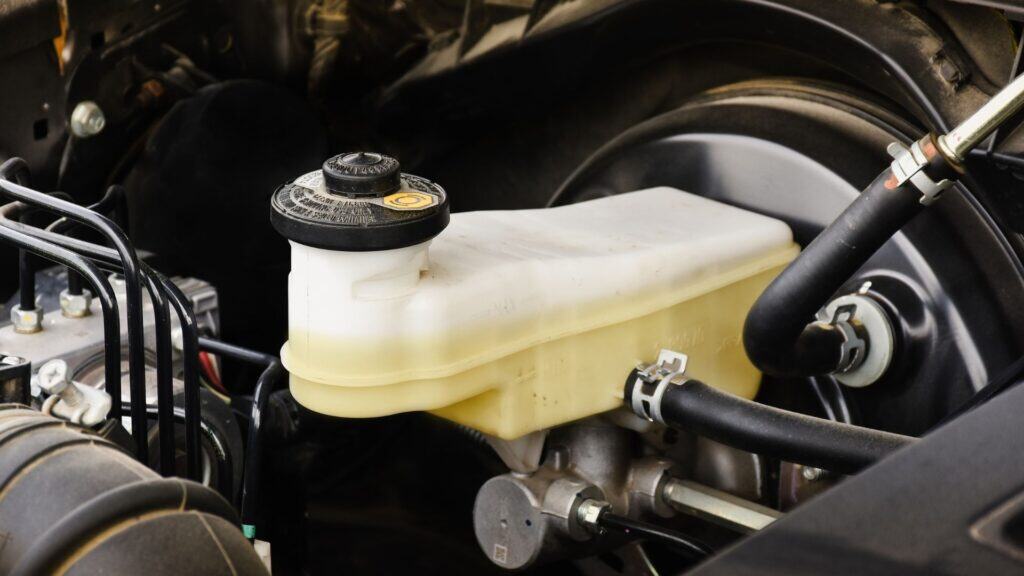
If your brakes feel even slightly off, brake fluid is one of the first things worth looking into, but realistically, you shouldn’t wait for a problem to take a look. The brake fluid reservoir is usually a clear container, just like in the image above, under the hood, marked with minimum and maximum lines. A quick glance tells you if levels are where they should be.
Brake fluid absorbs moisture over time, which can reduce braking performance and even lead to corrosion inside the system. If the fluid appears dark rather than clear or light yellow, it may be time for a replacement. Low levels can also hint at worn brake pads or a leak, both worth addressing early before they turn into bigger safety issues. Left unchecked, emergency repairs could cost you a lot.
Tires
Your tires are the only thing connecting your car to the road, and they can cause problems before a warning light does. Start with a quick visual check. Look for uneven wear, cracks, or any damage on the surface. Uneven wear, like one side being more worn than the other, can point to wheel alignment or suspension issues. You can also use the classic penny test to check tread depth. Insert a penny into the tread with Lincoln’s head facing down. If you can see the top of his head, your tread is too worn. Low tread reduces traction and increases your stopping distance, especially on a wet surface.
Every modern vehicle is equipped with a tire pressure monitoring system, but like anything, this can fail, too. While you’re checking the tire, it is worth checking the tire pressure too. Remove the valve cap, press a tire pressure gauge directly onto the valve, and read the number to see if it matches your car’s recommended PSI. Every car has a decal on the driver’s door frame with the recommended tire size and PSI. Uneven tire pressure can cause the car to constantly steer in one direction.
Wiper blades
Wiper blades are easy to ignore until you’re caught in a downpour and can’t see clearly. A quick inspection can save you from that moment. Look for cracks, splits, or stiffness in the rubber. If your blades leave streaks, skip, or squeak across the windshield, they’re already overdue for replacement. Replacing wiper blades is one of the simplest and cheapest fixes you can do yourself, often taking less than five minutes. Lift the wiper arm away from the windshield, press the small release tab on the blade to slide it off, then click the new blade into place until it locks securely.
A good-quality wiper blade should last at least a year, and how you use it matters a lot. On a cold morning when the windshield is covered in ice, do not turn on the wiper blades. Blades can freeze to the glass and tear easily. It is better to lose them by hand or wait a bit until the heating kicks in and defrosts the window.
Lights
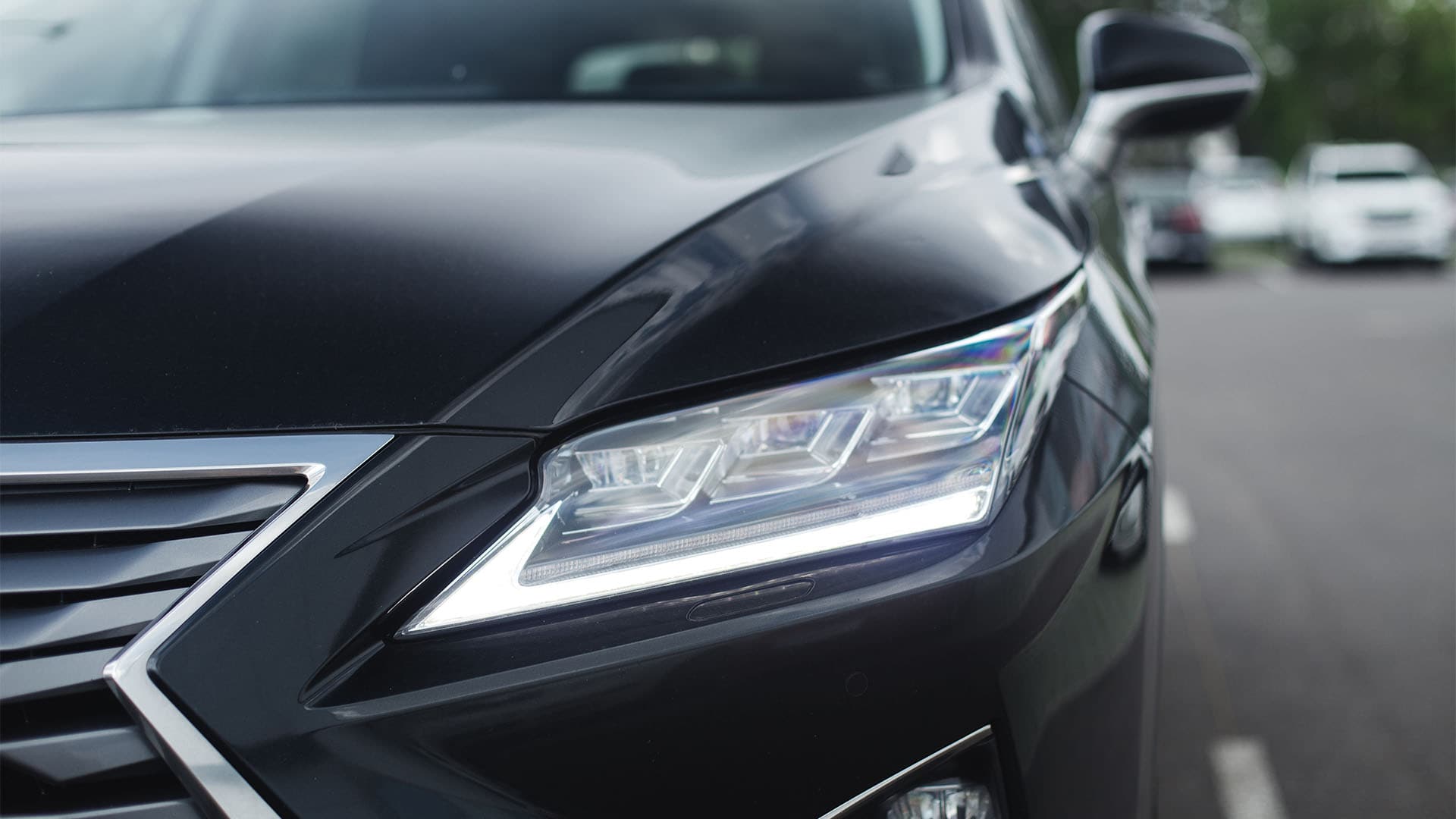
A light is one of the simplest issues to fix. Headlights, brake lights, turn signals, and reverse lights all help keep you visible and communicate with other drivers. Checking them takes less than a minute. Turn your car on, activate each light one by one, and either walk around the vehicle or use reflections from windows or walls to confirm they’re working. If you have someone nearby, even better, as they can help check brake lights while you press the pedal.
Replacing a bulb is usually inexpensive, but driving with a faulty light can lead to tickets or, worse, accidents caused by reduced visibility. If you need to replace one of the exterior lights, turn the car off, open the hood, unplug the electrical connector from the back of the headlight, and twist the bulb socket counterclockwise to remove it. When installing your new bulbs, do not touch the Halogen bulb surface or inside reflectors with your bare hands. Oils from the skin can cause breakage or shorten the lamp’s life. Use clean gloves or a lint-free cloth for installation and removal.
In the time it takes to scroll through your phone, you can spot small issues before they turn into expensive repairs or safety risks. Every driver should know these simple steps, because a quick five-minute routine can save you from far bigger headaches down the road.