
Waymo’s robot car testing ends in NYC after permits expire—what’s next?
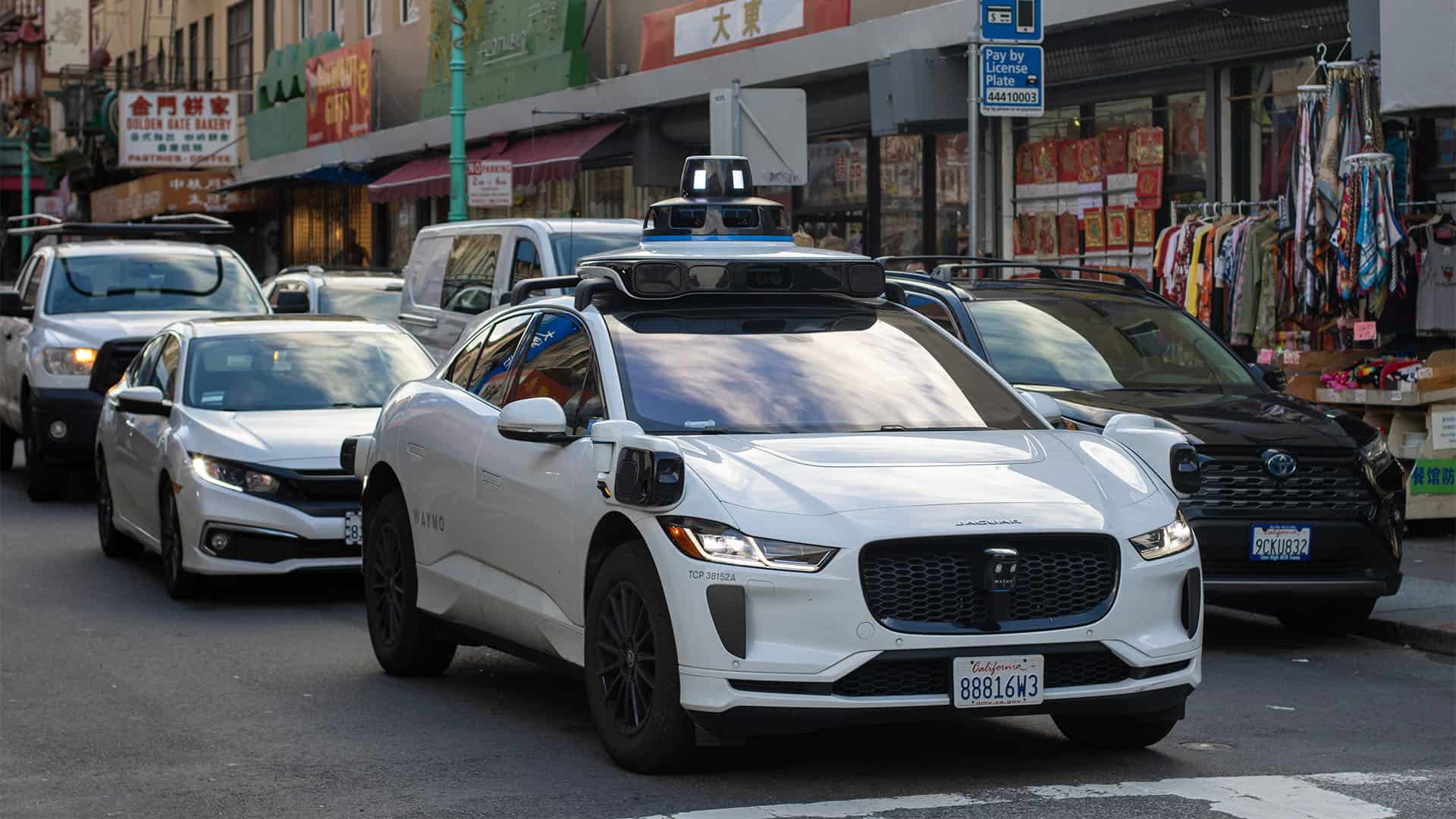
Waymo’s time on New York City streets was always going to be temporary, but its exit still says a lot about where autonomous driving stands right now.
When Waymo wrapped up its testing in New York after its permit expired on March 31, it marked the end of a closely watched pilot. The company had been operating under strict rules, including having a trained human driver behind the wheel at all times. The expiration didn’t come with drama or controversy. It was expected. But it leaves behind a bigger question: what happens next, not just for Waymo, but for robotaxis in one of the most complex cities in the world.

A pause, not a retreat
Waymo’s exit from New York is better understood as a regulatory pause than a failed experiment. In a city known for having one of the most challenging driving environments anywhere, the current operation framework just didn’t work.
New York’s permitting system reflects that reality. Autonomous vehicle testing is allowed, but only under conditions that limit how much companies can actually prove. A human driver must remain in control and in the vehicle, and insurance requirements are high. And scaling beyond small pilots is difficult under current rules.
That means Waymo didn’t leave because it couldn’t operate in New York. It left because the current DMV testing permit expired, and hasn’t been renewed. There has also been a bill introduced in the New York Senate to change the requirement that autonomous vehicles have a human driver, but it has yet to advance.
Where the city stands
New York leadership has been cautious about fully opening the door to driverless vehicles, and that stance has only grown more defined.
Zohran Mamdani has been vocal about prioritizing safety, labor concerns, and public oversight in emerging technologies. His broader approach leans toward protecting existing jobs and ensuring that any rollout of automation comes with clear public benefit.
That matters because autonomous vehicles raise more than just technical questions. They raise economic ones. Taxi and rideshare drivers represent a large share of the workforce in New York, and any shift toward automation quickly becomes a political issue. For now, the message from City Hall is consistent: innovation is welcome, but not at the expense of safety or livelihoods.

Why New York is a tough proving ground
Even without political hurdles, New York presents unique challenges that few cities can match.
Unlike wide, grid-like roads in Western cities, Manhattan streets are narrow and crowded. Construction zones appear overnight. Double-parked vehicles block lanes without warning. Pedestrians cross unpredictably, and bikes and e-bikes constantly weave in and out of traffic.
Together, those factors create a bottleneck. Companies can test, but such conditions make scaling very hard.
Where Waymo is focusing instead
While New York remains a long-term goal, Waymo is putting its energy into cities where the path to commercialization is clearer.
In Phoenix, the company has already built one of the most mature robotaxi services in the U.S., offering fully driverless rides to the public. The environment is more predictable, regulations are more flexible, and the company has had years to refine its operations.
In San Francisco, Waymo has expanded its service, and in Los Angeles, the company continues to expand its footprint as it tests how its system performs in sprawling, traffic-heavy conditions.
These cities share one key trait: they allow companies to operate without a human driver behind the wheel. That single difference changes everything, from data collection to public perception to business viability.
The competitive landscape is heating up
Waymo is not operating in a vacuum. The race to scale autonomous vehicles is becoming more crowded, and each player is taking a slightly different approach.
Cruise has focused heavily on urban deployments, though it has faced its own regulatory setbacks and other issues along the way. Tesla continues to push a camera-based approach with its Full Self-Driving software, betting on a different technological path that relies less on lidar and more on mass adoption.
Meanwhile, companies like Zoox are building purpose-designed robotaxis, aiming to rethink the vehicle itself rather than retrofit existing cars.
The competition is not just about technology. It is about where companies can actually deploy. In that sense, regulation has become just as important as engineering.

What this means going forward
Waymo’s exit from New York does not signal a slowdown in autonomous driving. If anything, it highlights a shift in strategy across the industry.
Companies are focusing on markets where they can move quickly, prove their models, and generate revenue. Cities with stricter rules, like New York, may come later, once the technology is more established and public acceptance is higher.
That creates a two-track future. In some parts of the country, robotaxis are becoming a normal part of daily life. In others, they remain a distant possibility.
The takeaway
New York did not reject autonomous vehicles. It simply isn’t ready to fully embrace them yet. Waymo’s departure underscores a broader reality: the future of self-driving cars will not arrive everywhere at once. It will roll out city by city, shaped as much by local policy as by technological progress.
For now, the center of gravity remains in places willing to let the technology operate at full scale. New York is still watching, still testing, and still deciding how and when it wants to join them.