
The irony of Waymo’s driverless dream: they have to pay humans to close the doors
Autonomous cars promised freedom from drivers. Instead, they created a new job no one saw coming.
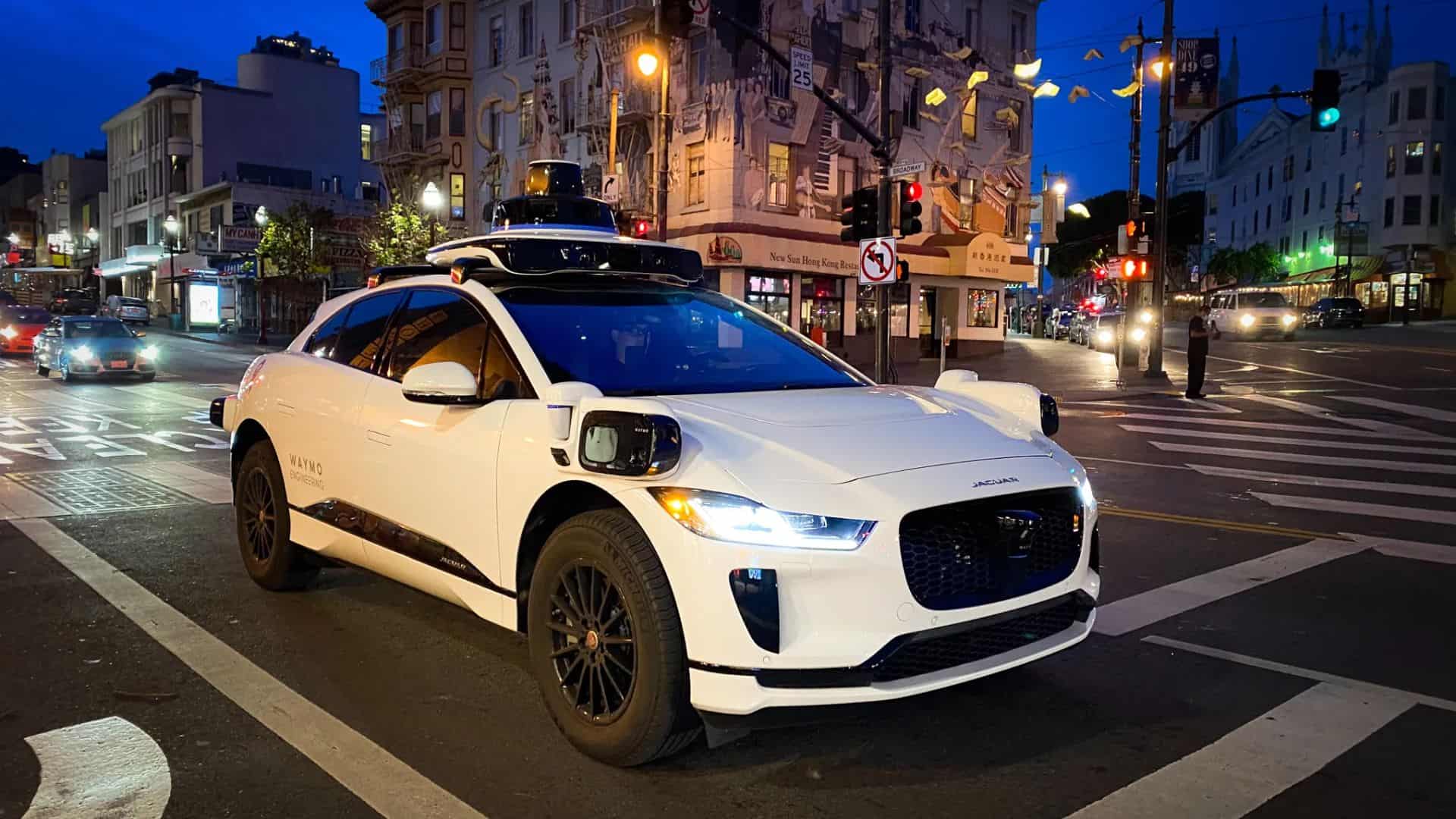
For years, autonomous vehicles have been sold as a clean break from human labor. Waymo, Alphabet’s self-driving brand, has been one of the loudest and most successful voices in that promise, deploying hundreds of robotaxis across major U.S. cities. Yet when these systems break down in ordinary, human ways, it still falls to people to step in and make them work again. The irony is hard to miss: technology built to eliminate human involvement has instead created new, often unseen labor dedicated to maintaining the appearance that humans are no longer needed.
The story
The revelation came via the Washington Post, Waymo has been quietly paying humans to intervene when its robotaxis get stuck in situations the software can’t resolve on its own. This includes vehicles immobilized because a passenger failed to fully close a door. When this happens, the car won’t move. Safety protocols prevent it from driving with an open or improperly latched door, and the system lacks the physical ability to fix the problem itself.
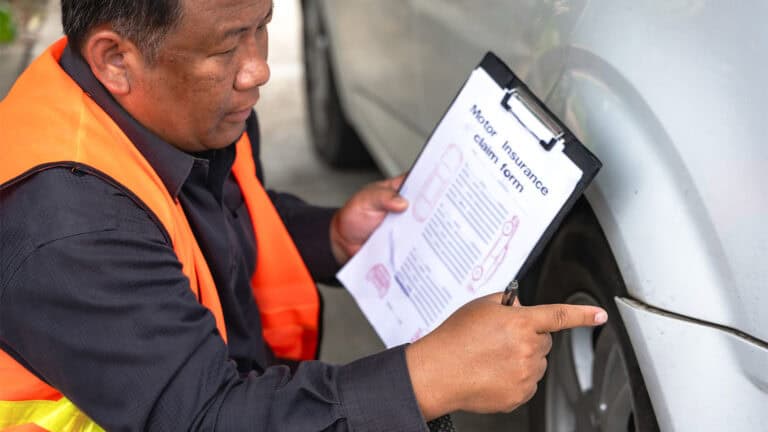
Through roadside-assistance platforms like Honk, self-driving cars dispatch tow-truck operators or service workers to manually close doors and address other low-tech issues, such as repositioning the vehicles. These workers are paid roughly $20–$30 per job. It’s a new, unexpected category of labor created by the limits of automation.
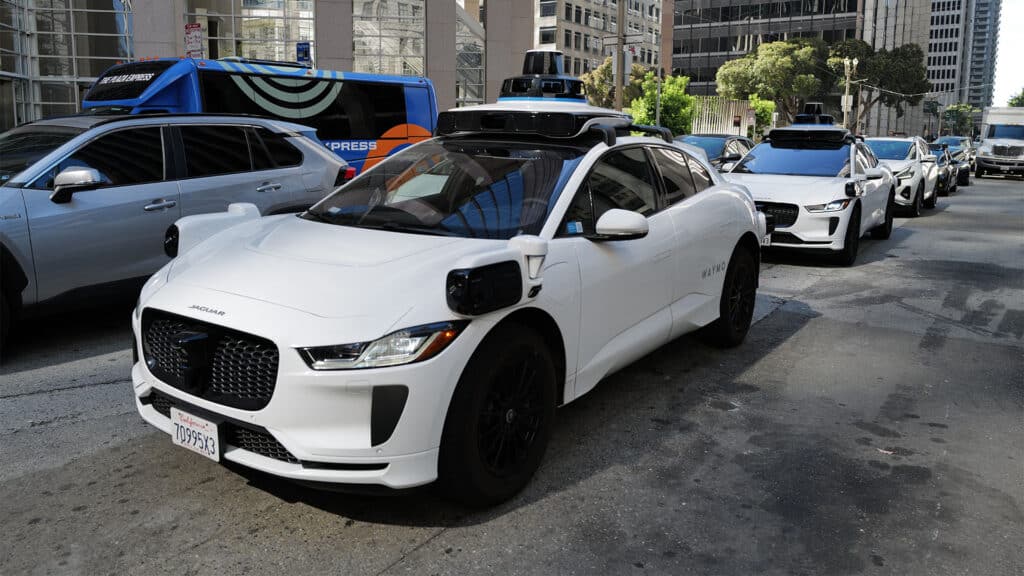
Waymo currently operates fully driverless ride-hailing services in San Francisco, Phoenix, Los Angeles, and parts of Austin, with plans for continued expansion. In San Francisco alone, estimates suggest several hundred autonomous vehicles are active daily, making it one of the largest real-world robotaxi deployments.
The irony is unmistakable. Technology meant to remove human labor instead relies on it in a hidden, often overlooked way. Their automated fleet can transport hundreds of passengers without drivers, yet the system still depends on human hands to keep the operation moving smoothly.
Rise of the robotaxi
The robotaxi service has reshaped urban transportation. They recently shared that they’ve hit a milestone: providing 200,000 rides every week without a driver in the car, creating new competition for traditional taxi and rideshare drivers. Drivers in some areas have reported declining earnings as robotaxis increase the availability of low-cost rides.

While automation promises efficiency and convenience, it still impacts human labor by creating new pressures and dependencies. There are tons of critics out there who want Waymos off the street, saying they’re a cultural threat. They warn that as autonomous fleets grow and become more affordable, traditional driving and transportation jobs may face significant displacement. This brings a growing tension between technological innovation and real-world livelihoods.
What happens when the grid fails?
Nowhere was this more visible than during San Francisco’s recent citywide power outage, when traffic lights went dark and dozens of Waymo vehicles froze in place. They’re programmed to treat non-functioning lights as four-way stops, so the cars waited indefinitely for conditions that never resolved, blocking lanes and causing real traffic issues for drivers around them.
Waymo robotaxis stalled in city intersections, confused by traffic lights that weren’t working. There’s even one with its signature rooftop sensor sitting frozen in a busy intersection while actual drivers carefully navigate around it. According to the TikTok caption, “This car did not move for 10+ min – it only left when the passengers ditched the car.”
Self‑driving vehicles operate by combining detailed sensor data with advanced software and mapping systems to interpret their surroundings and make safe decisions in real time. According to Waymo’s technical overview, its autonomous system uses a suite of lidar, radar, camera sensors, custom high‑definition maps, and AI software to perceive everything from traffic lights to pedestrians and plan safe routes. This is why disruptions to infrastructure, such as signals or GPS data, when the grid goes down, can significantly impact performance.
Takeaway
The story of Waymo having to employ actual people to do jobs for a “humanless” product unveils a broader lesson. The technological progress rarely eliminates human involvement entirely. Robotaxis promised a world without drivers, but even the most advanced autonomous cars still need humans. These vehicles rely on sensors, high-definition maps, and functioning infrastructure to navigate safely, so when the grid fails, so do traffic signals.

Then, obstacles arise, and passengers make errors, creating safety risks that can turn a situation from bad to worse. The expansion of these fleets has also begun to affect real people. Taxi and rideshare drivers in areas where robotaxis operate report declining earnings. Even as certain risks are reduced and some efficiency gains are achieved, real-world conditions will likely keep humans tethered to the process.