
How I plan EV charging stops to make road trips less stressful
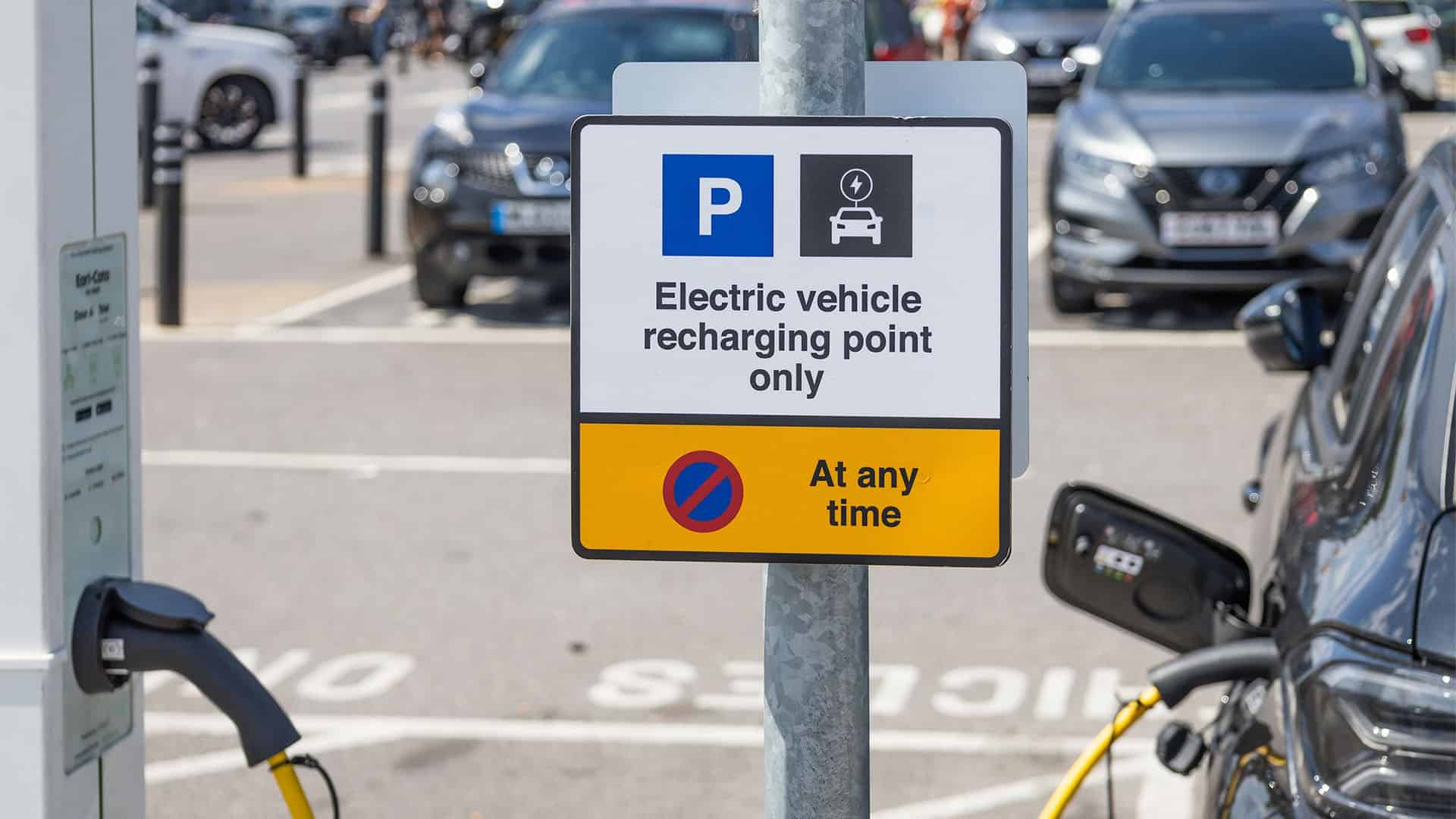
The less I treat charging like a last-second emergency, the smoother EV road trips become.
Road-tripping in an EV gets easier once you stop thinking of charging as a separate task and treat it as part of the drive itself. The stress usually comes from the uncertainty of wondering if a charger will work, whether traffic or weather will cut into range, or if the next station will already be full. After many long drives, I realized the trips that felt easiest weren’t necessarily the shortest. They were the ones where I planned ahead just enough to avoid making rushed decisions with a low battery.
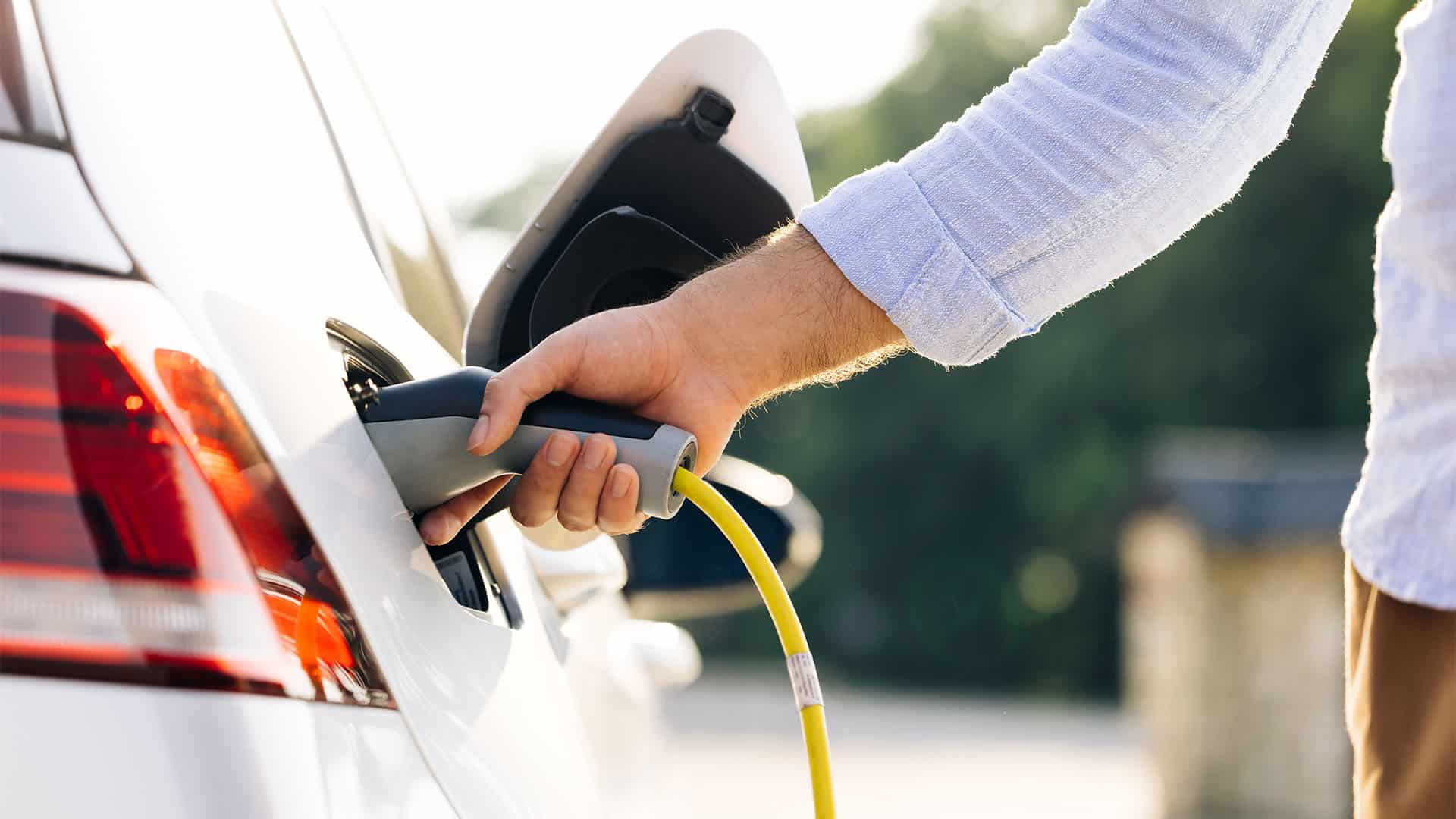
I check charger reliability before I leave
The biggest mistake I made early on was assuming every charger listed on a map would actually be working when I arrived, but that’s rarely how it goes in real life. Some stations are offline, some are crowded, and sometimes the charging speed is much slower than advertised.
I recommend a few apps. Plugshare and A Better Route Planner are both very useful for road trips. Plug Share helps drivers find all kinds of charging stations, while A Better Route Planner is essentially the Google Maps for an EV because it can plan your entire charging stops, tell you where to stop, how long, and all that. Using both apps definitely makes your life a whole lot easier, and I’d rather stop at a reliable station slightly earlier than risk being stranded with 5% battery.
I never plan to arrive nearly empty anymore
One thing that consistently makes EV road trips stressful is trying to squeeze every mile possible out of the battery. I used to arrive at chargers with single-digit range left because the navigation system said I could make it. Technically, I usually could, but mentally, it was exhausting. Now I build in a buffer. I try to arrive with at least 15% to 20% battery whenever possible, especially in areas where chargers are farther apart.
That small buffer changes the entire tone of the drive. Instead of constantly watching the range estimate, I can relax and focus on the road. Many of the habits that make EV road trips easier come from everyday ownership, which is why so many first-time drivers are surprised by the small adjustments that matter once they start driving one full-time.
Backup charging stops matter more than the original plan
I learned this after pulling into a station late at night and finding multiple chargers offline. Since then, I’ve stopped treating charging plans as fixed. Before every longer drive, I identify at least one backup charger near each planned stop. It doesn’t need to be complicated. I just want to know there’s another option within a reasonable distance if something goes wrong. Doing this simple thing removes a surprising amount of anxiety.
Once you know there’s a fallback plan, delays feel manageable instead of stressful. It also helps in smaller towns where charging infrastructure still isn’t as dense as gas stations. Planning backups in advance is much easier than scrambling to search while sitting in a parking lot with a low battery.
I plan to charge during breaks I’d already make anyway
Instead of sitting in the car staring at a charging screen, I try to line up stops for lunch, coffee, bathroom breaks, or to stretch my legs. Most of the time, by the time I’ve eaten or walked around for 20 to 30 minutes, the car has added enough range to continue driving comfortably. It makes the stop not feel like I’m standing there “waiting for the car.” Instead, I’m on a normal road trip break that happens to include charging.
During these stops, I charge to 80% only because charging speeds usually slow down significantly after that. 80% of the battery’s capacity already provides enough range to comfortably reach the final destination or the next charging station, and I can give other users space to charge their vehicles.

Weather and highway speeds change everything
This is the part many new EV drivers underestimate. Range can change dramatically depending on temperature, wind, elevation, and driving speed. EV batteries do not like extreme cold or heat. In extreme conditions, battery performance is far worse than many expect. Heating or cooling the cabin takes significant energy from the battery; therefore, planning ahead with a bit of extra buffer is recommended.
Highway speed is another major factor. Driving 80 mph for hours will usually consume noticeably more battery than cruising closer to 65 or 70 mph. On longer drives, even slowing down slightly can make charging stops easier and less frequent. That doesn’t mean driving slowly everywhere. It just means being realistic about how conditions affect range, rather than assuming the dashboard estimate will perfectly match real-world driving.