
Can Jaguar Survive After a Total Brand Makeover?
Despite its rich heritage, Jaguar hasn’t been a major player in the car market over the past decade. But that’s suddenly changed. The brand is back in the headlines after a bold rebrand that went viral, turning long-held expectations about Jaguar upside down. It’s a dramatic shift for a company known for tradition. While the move has stirred controversy, it might just pay off. Let’s look into what led to this transformation and how Jaguar, as a prestigious British brand, can regain its place in the hearts of car buyers.
The Jaguar Story
Jaguar’s story began over a century ago in 1922, when two ambitious young men, Sir William Lyons and William Walmsley, launched the Swallow Sidecar Company in England. Initially focused on crafting motorcycle sidecars, the duo quickly gained a reputation for quality and style. But it wasn’t until after World War II, in 1945, that the company adopted the name Jaguar Cars. The brand that would soon become a symbol of British automotive excellence.
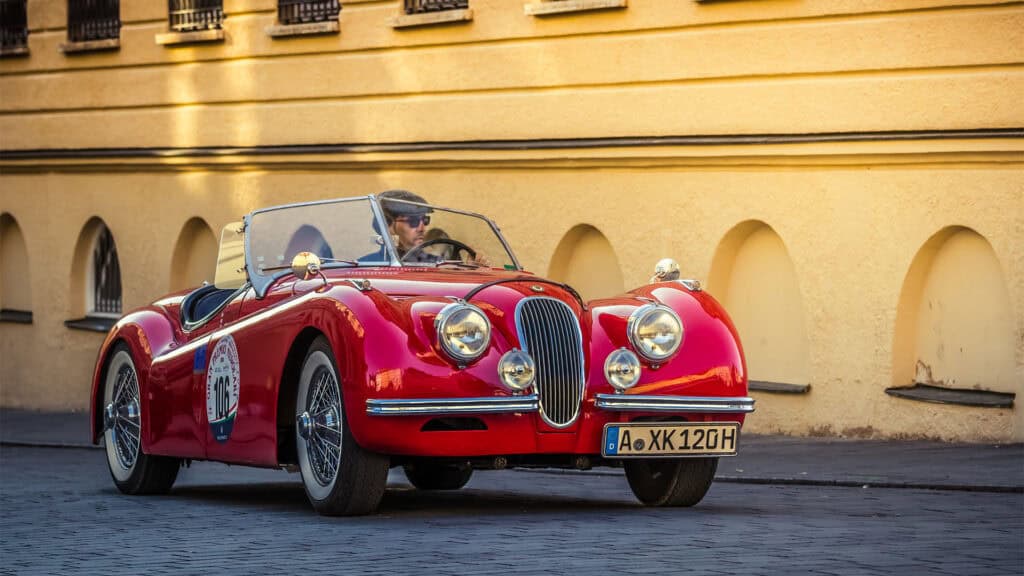
The 1950s and 1960s marked Jaguar’s golden era, as the brand surged ahead during the postwar car manufacturing boom. With standout models like the XK120, the world’s fastest production car at the time, Jaguar captured the imagination of drivers all around the world. The brand also dominated motorsport, with multiple victories at the 24 Hours of Le Mans. These wins didn’t just boost Jaguar’s reputation; they helped define it. It was the time when Jaguar had arrived, both on the racetrack and in the hearts of car enthusiasts.
By the 1970s, Jaguar had begun shifting gears, expanding beyond sports cars into the luxury market. The company started producing sedans and limousines for the British royal family and high society. But behind the scenes, ownership of the brand changed hands several times. At one point, Jaguar was even listed on the London Stock Exchange. At the end of the 90s, Ford acquired the company, grouping it with Aston Martin, Volvo, and Land Rover under its Premier Automotive Group. Despite strong collaborations between the brands, Jaguar never achieved consistent profitability during the Ford era.
Then the Jaguar story changed again in 2008, when Ford sold Jaguar and Land Rover to Tata Motors, an Indian automotive giant. The two brands were merged into Jaguar Land Rover (JLR), which took over design, manufacturing, and marketing. Under Tata’s leadership, Jaguar underwent a rebirth and gradually began to show a profit and momentum. By 2013, the company had achieved global sales of 76,668 vehicles, a significant 42% increase over the previous year.
However, momentum faded in the following years. Lately, Jaguar struggled to keep pace with global luxury rivals, and its model lineup became increasingly outdated. In 2023, JLR announced bold plans to reposition Jaguar as a low-volume, high-luxury electric brand, to compete with the likes of Bentley and Porsche. As part of this strategy, Jaguar phased out all of its current models, including long-standing sedans and coupes.

By June 2024, production had stopped on every model except for the F-Pace SUV, which is the only vehicle in production until early 2026. All other cars, such as the E-Pace, F-Type, and their first electric car, the I-Pace, have been discontinued. The company confirmed that three all-new electric models would debut on a next-generation JEA platform, starting with a four-door electric grand tourer in 2025. This would mark the beginning of Jaguar’s new electric chapter.
The Rebrand
The rebrand was officially launched on November 19, 2024, with a high-profile campaign that immediately grabbed attention across social media and automotive news outlets. Jaguar’s social media channels deleted their entire archives and posted a 30-second “Copy nothing” video that didn’t feature a single car. The video has 4.2m views on Youtube as of July 3rh 2025 and received comments such as “This isn’t an ad, it’s Jaguar’s funeral.”
Jaguar didn’t just introduce a new logo or slogan. It delivered a complete overhaul of its identity, a clean break from its combustion-era heritage. The new tone was bold, minimalist, and fashion-forward, with a sleek aesthetic and messaging aimed at a younger, design-conscious luxury audience.
Reactions came fast and divided. Some industry voices praised Jaguar for taking a bold, future-facing stance in a crowded market. Auto design critics praised the brand’s bravery in stepping away from retro cues and embracing a more avant-garde direction.
Longtime Jaguar enthusiasts and traditional buyers felt alienated. Many took to online forums and comment sections to express confusion and disappointment. The graceful curves and wood-trimmed interiors that the Jaguar was associated with were gone. Instead, there were abstract ads, muted color palettes, and cryptic slogans that didn’t feel connected to the cars or the brand they once loved. Some critics accused the brand of abandoning its identity entirely, with headlines in certain outlets labeling the campaign as “woke,” “soulless,” or “style over substance.”
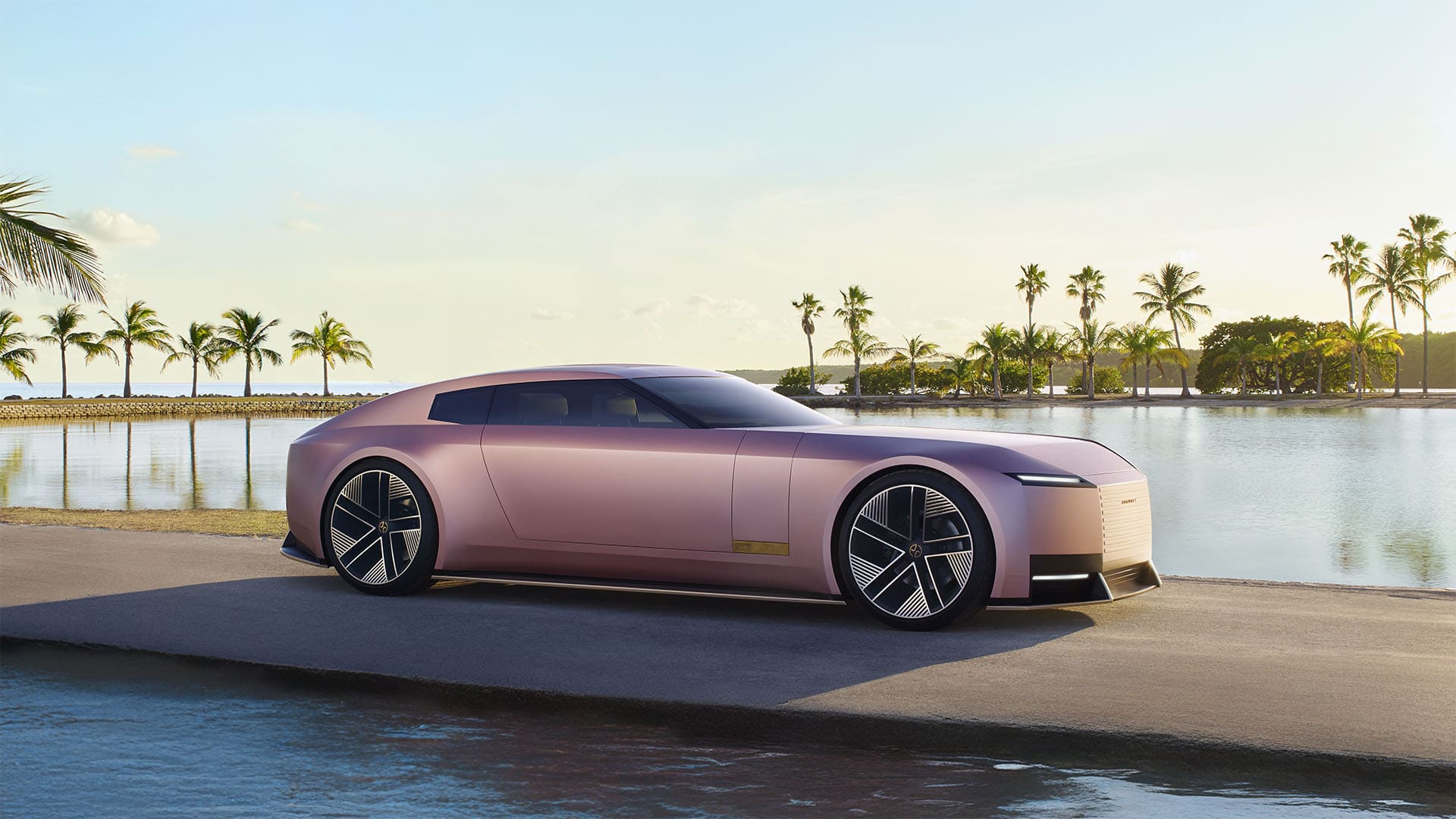
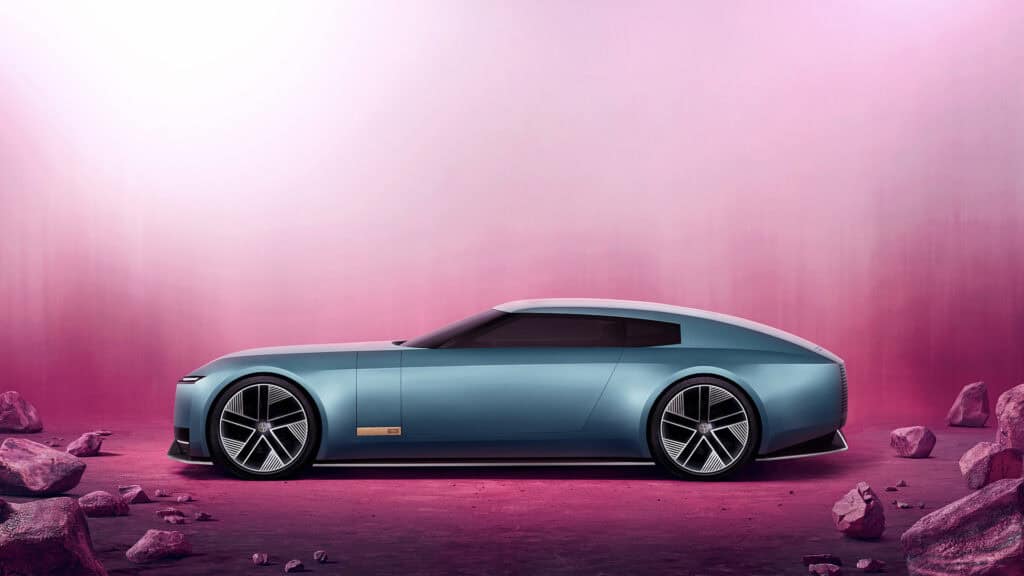
The most high-profile moment of the rebrand came with the unveiling of the Type 00 concept car at Miami Art Week, an event typically reserved for fashion brands and art galleries rather than car companies. The concept vehicle, not intended for production, was designed as a design manifesto, which offered us a glimpse into Jaguar’s future styling language. The car itself was futuristic, abstract, and light years away from the classic E-Type or even the F-Type. While some praised its sculptural beauty, others wondered whether it looked more like a luxury tech product than a drivable machine.
What is Next
Today, Jaguar stands at a critical crossroads. The combustion era is firmly in the rearview mirror, and the brand has staked everything on electrification. Earlier this year, Jaguar Land Rover announced plans to lay off 200 UK-based workers, while simultaneously committing nearly £500 million (approximately $615 million USD) to prepare its manufacturing facilities for future EV production.
Since halting production on most of its existing models, with only the F‑Pace continuing until early 2026, Jaguar dealers are now facing an inventory drought. Combined with a dramatically new design language, it’s no surprise that sales have collapsed.
In April 2025, Jaguar sold only 49 vehicles in Europe, which is a dramatic 97.5% drop compared to the same month the previous year. In the U.S., 2025 YTD sales are just 2,820 units, a stark decline from the 11,563 sold in all of 2024 .
This is not just transforming the company; it’s a complete reset. With virtually no current sales and little cash flow, the biggest question is how will Jaguar sustain itself until its new EVs arrive? The company is essentially in hibernation until the first all-electric model launches in 2025. Even then, it could be years before the brand regains its footing in the luxury market.
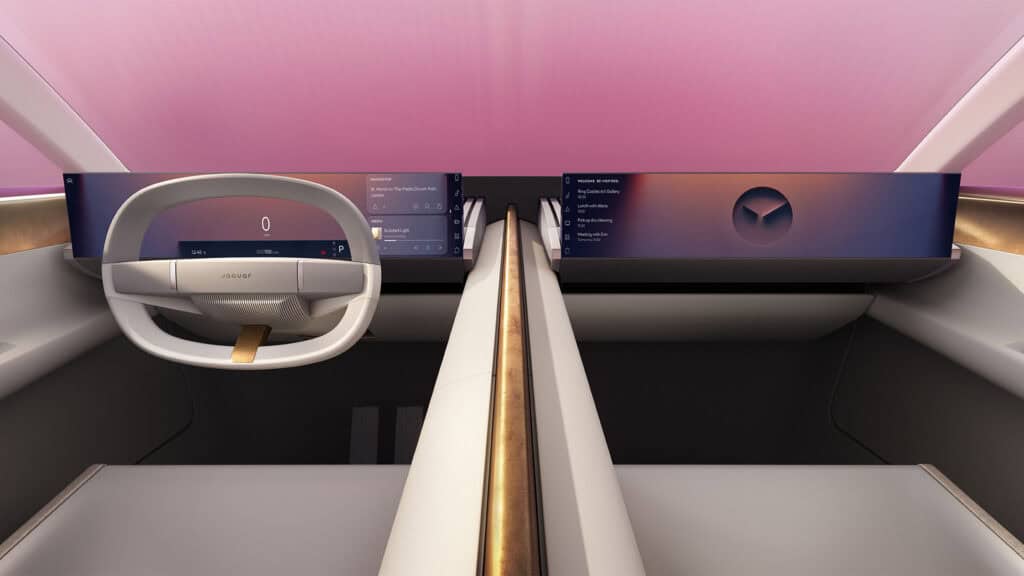
Jaguar’s future now hinges on a strategic lineup of upcoming EVs. These models must not only deliver in design and performance but also appeal to both long-time Jaguar loyalists and a new generation of luxury EV buyers. Any misstep could raise the question: Can Jaguar afford to rebrand, and rebrand again, if this bold strategy fails?
Despite the turbulence, Jaguar’s managing director, Rawdon Glover, has firmly defended the direction. Speaking in late November 2024, he described the pause in production as a purposeful break meant to clear the path for a bold new identity. He emphasized that “We’re our very best when we copy nothing” positioning the brand for a younger, high-end audience and urging critics to embrace its stunning reinvention.
Financially, the stakes are high. With negligible current revenues and a significant production gap, Jaguar will need strong financial support from Tata Motors and disciplined execution. The question remains whether this aggressive approach is a bold master plan or a desperate gamble.
Only time will tell whether this is Jaguar’s finest hour or its last stand. For now, all eyes are on the first wave of pure-electric Jaguars debuting in 2025 and whether they can reignite the brand’s legendary allure.