
First-time EV owners share the most surprising parts of ownership
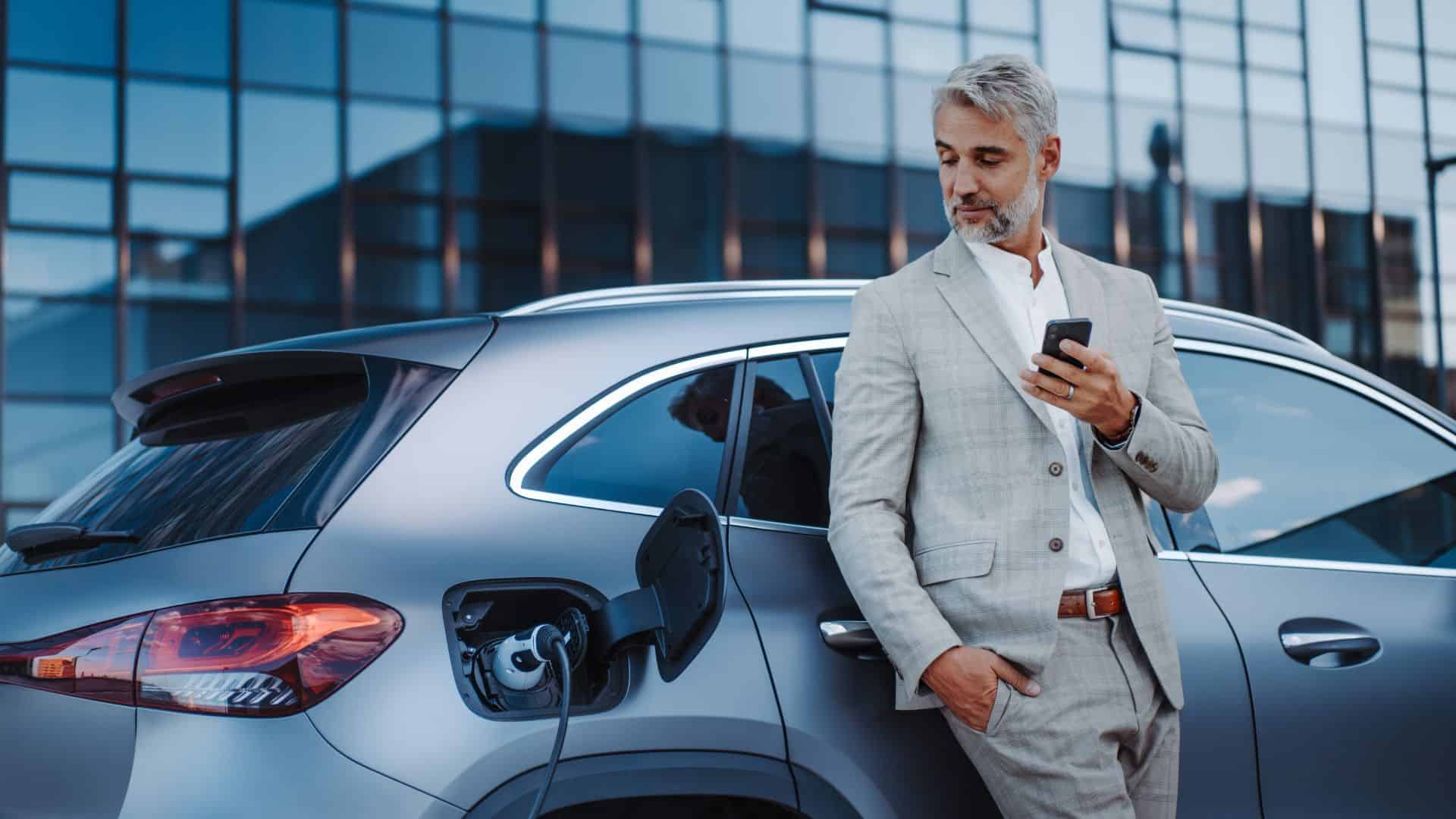
As one online thread showed, owning an EV brings a few surprises that people don’t realize until they start driving one every day.
Electric cars used to be something you’d rarely see on the road. Now, they’re everywhere. People are switching from gas to electric, often expecting lower running costs and better performance.
A Reddit user asked those who own an EV, “What didn’t you see coming after owning your EV for a while—good or bad?” The post gathered hundreds of responses from drivers who shared what surprised them most after switching from gas to an electric vehicle.
The reactions
Many users talked about the lower cost. One person wrote, “How little it costs per mile to run. My EV replaced a car that cost $0.20/mile for gas, and it costs less than $0.03/mile. That’s a huge difference.” Another added, “How quickly I stopped paying attention to fuel prices. To clarify, I am 45 years old, and for the past 27 years, I have checked fuel prices at every petrol station. It took me 2 weeks to stop doing that.”

For many owners, the difference in running costs is one of the first things they notice. Even with variations in local electricity prices, charging an electric vehicle at home is still much cheaper than filling a gas tank. For someone commuting daily, this difference can mean hundreds of dollars saved each year.
Another owner mentioned how the experience of driving feels different. “I’m surprised at how much I enjoy driving my Mach-E and how much driving an ICE vehicle now feels like going back in time. Also surprised that there aren’t more fast charging stations and a bit disappointed at how often many stations are broken.”
The Ford Mach-E is one of the most popular crossover EVs in North America, and many drivers share similar feedback, and many first-time EV drivers describe the same thing about it. The instant acceleration and lack of engine noise create a smoother ride, however, the lack of fast-charging infrastructure remains a challenge. In many regions, drivers still have to plan routes around available chargers.
One comment explained how home charging changes the routine: “If you have a charger at home and drive less than 100 miles a day, you’ll never need to charge out in town. Range anxiety goes away fast.” People who charge at home rarely worry about running out of battery. Most daily driving uses less than half the battery, so waking up to a full charge eliminates the need for frequent stops.

Another user appreciated small conveniences: “The fact I could leave the A/C running on a hot day while I ran in for groceries (or eat at a restaurant) with no concern of the battery draining.”
Systems like Tesla’s “Dog Mode” allow owners to keep the cabin cool or warm for extended periods without worry. It’s practical for short errands or waiting in the car for someone.
Another driver said, “One pedal driving.” Most EVs use regenerative braking, which slows the car when the driver lifts off the accelerator. The system works by turning the electric motor into a generator, converting the car’s motion into stored energy that recharges the battery. This not only increases efficiency and driving range but also reduces brake wear.
A user added, “The performance upgrade, which includes continuous smooth acceleration that will push you back in your seat.”
Almost every EV has outstanding acceleration capabilities, and models like the Tesla Model S Plaid easily outperform many performance cars. Their electric engines deliver constant, immediate power, guaranteeing every ride is a joyride. For city driving, this responsiveness makes merging, overtaking, and climbing hills easier, while on highways, it gives the car a controlled feel at higher speeds.
Someone else addressed battery performance: “The battery gauge moves at about the same rate as a typical gas gauge. I expected the battery gauge to drain quickly, but it doesn’t.”
Battery management systems are designed to keep usage stable. Of course, factors like temperature, speed, and terrain still affect range, but most drivers find that city commuting barely dents the battery.
One person shared a different yet positive experience, “I bought an EV thinking there would be trade-offs, but I would do it for the environment. But once I had one, I realized it was just a way better experience. Once a majority of people have a calm experience with real EV ownership, there is no way we’re going back. It is just a better customer experience (if you can charge at home or work).”

Environmental benefits are often the motivation for buying an EV for many drivers. Quiet operation, instant heating or cooling, and fewer service appointments make the switch easier to justify. When charging access is convenient, owners say it feels like a better overall product.
Many drivers shared about surprisingly less need for maintenance, “The thing I most noticed was the complete absence of any regular maintenance, one of the biggest headaches of ICE ownership.”
Electric vehicles eliminate many common maintenance tasks. They don’t require oil changes, timing belts, or exhaust maintenance. Tires and brakes still need attention, but that’s with every car you drive. The lack of routine service visits saves both money and time over the long run.
Other surprising things about EVs
Being in the automotive industry myself, I’ve heard similar experiences from new electric vehicle owners. Beyond the above mentioned feedback, there are other aspects of EV ownership that often surprise first-time owners:
- The battery pack in most EVs is placed low in the chassis, which lowers the center of gravity. This gives the car better stability through turns and makes even driving larger electric SUVs smoother compared to many gas-powered vehicles.
- The drive is nearly silent without an engine. There’s less vibration, and the reduced noise can make long commutes more comfortable. Many drivers say this is one of the biggest changes they didn’t expect to enjoy as much as they do.
- Without a transmission tunnel or large fuel components, many EVs have flat floors and more legroom. Even compact electric models make better use of space, giving passengers a more open and flexible cabin layout.
The takeaway
First-time EV owners often don’t expect many benefits other than a change in power source. Lower costs, quieter operation, and reduced maintenance make electric vehicles easier to manage than gas-powered ones.
While charging access still needs improvement in some areas, overall, drivers find the experience more efficient, affordable, and convenient.