
Summer road trip essentials every driver should keep in the car

A few often-overlooked essentials that can make a huge difference on the road.
Summer road trips have a way of exposing every little thing drivers forgot to prepare for. A dead phone in the middle of nowhere, a flat tire, or simply just stuck in traffic with no water, no snacks, and no backup plan. A few basic items can completely change how a summer driving situation turns out. And unlike oversized “survival kits” marketed online, the things that actually matter are usually simple, cheap, and easy to keep in the car year-round.
The stuff you notice immediately when you don’t have it
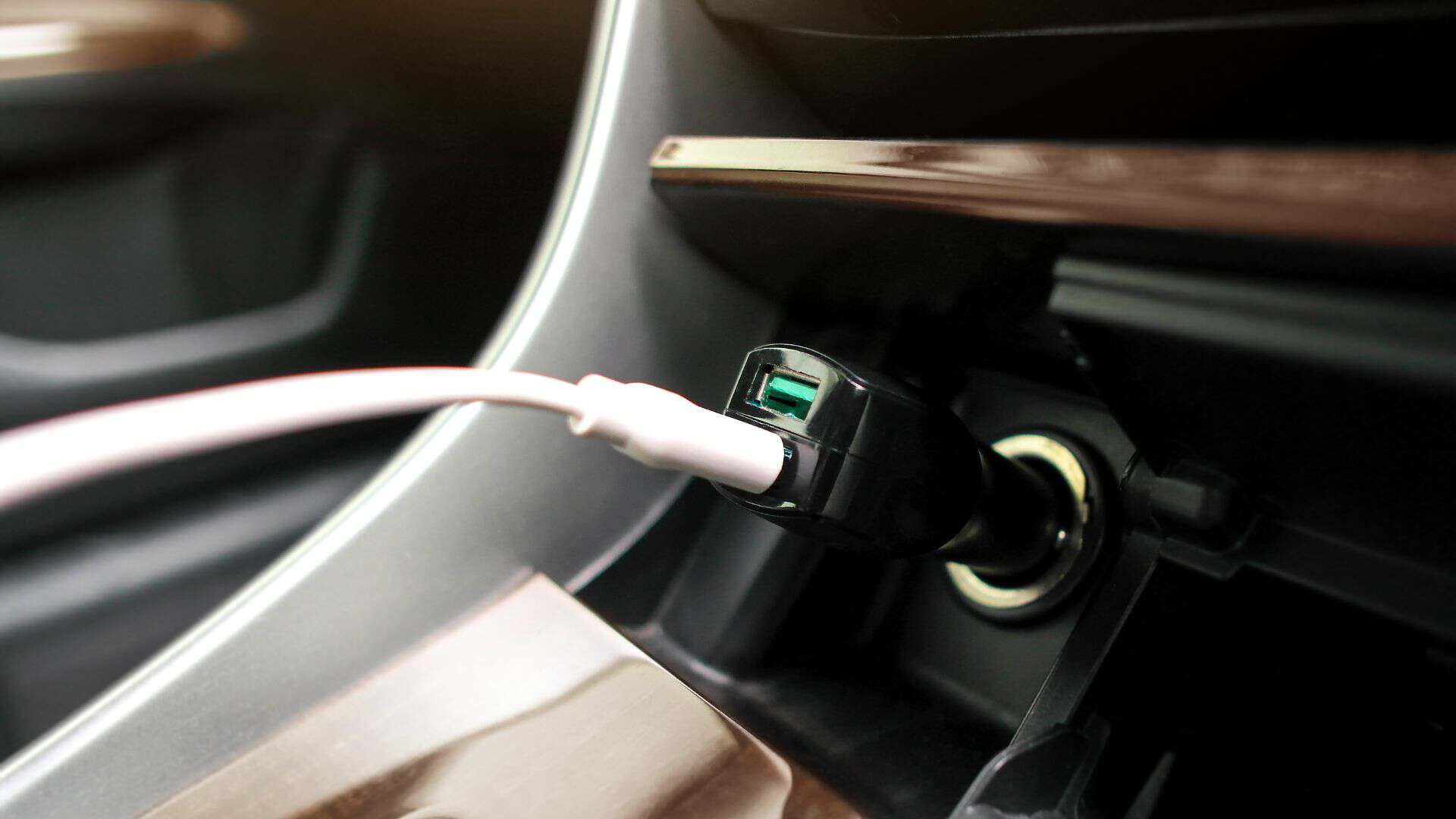
A phone charger sounds obvious until you’re in a six-hour delay and navigation drains the battery faster than you expected. Summer travel usually means heavier GPS use, more streaming, and more time spent in the car with screens running constantly. Keeping both a charging cable and a car adapter is important even though new vehicles have USB ports and even wireless charging options.
Water is another essential that drivers underestimate. Even a short delay in extreme heat can get uncomfortable quickly if you’re somewhere with limited shade or in a long wait for roadside assistance. A small case of bottled water in the trunk can make a massive difference, not just during breakdowns, but also during any unexpected detours.
The same goes for snacks. Nobody plans to get stranded in traffic for hours, but from experience, we all know that anything can happen on the highway. Granola bars, trail mix, or other shelf-stable snacks help you avoid the kind of frustration that sets in when everyone in the car is tired and hungry.
Paper towels and toilet paper also fall into the category of things that seem unnecessary until they suddenly become essential. Spilled drinks, dirty windshields, roadside rest stops without supplies, motion sickness, or dirty hands are the kinds of situations drivers actually deal with on long trips. For drivers handling long summer trips with kids, coolers, luggage, and emergency gear all packed into the back, and having a vehicle with enough cargo space and comfort can make just as much difference as the supplies themselves.
The emergency gear that earns its spot in the trunk
Some items can actually help you save money, and others can help you save hours. A flashlight is one of them. Issues rarely happen in perfect daylight conditions. Even using a phone flashlight while trying to inspect a tire or look under the hood gets frustrating fast, so a dedicated flashlight with fresh batteries is easier, brighter, and more reliable. And it won’t drain your phone, which might be needed for emergency calls or navigation.
Jumper cables are another non-negotiable. Summer heat is brutal on aging car batteries, and plenty of drivers don’t realize their battery is weak until the car refuses to start at a gas station or hotel parking lot. Even if roadside assistance is available, jumper cables can turn a one-hour wait into a five-minute fix.
A portable tire inflator has also become one of the most useful things drivers can keep in a vehicle. Most new cars, especially EVs, rarely have a spare wheel, but a tire repair kit and a tire inflator are the perfect backup solution. Being able to fix a tire enough to safely reach a repair shop can prevent being stranded on the shoulder waiting for a tow truck.
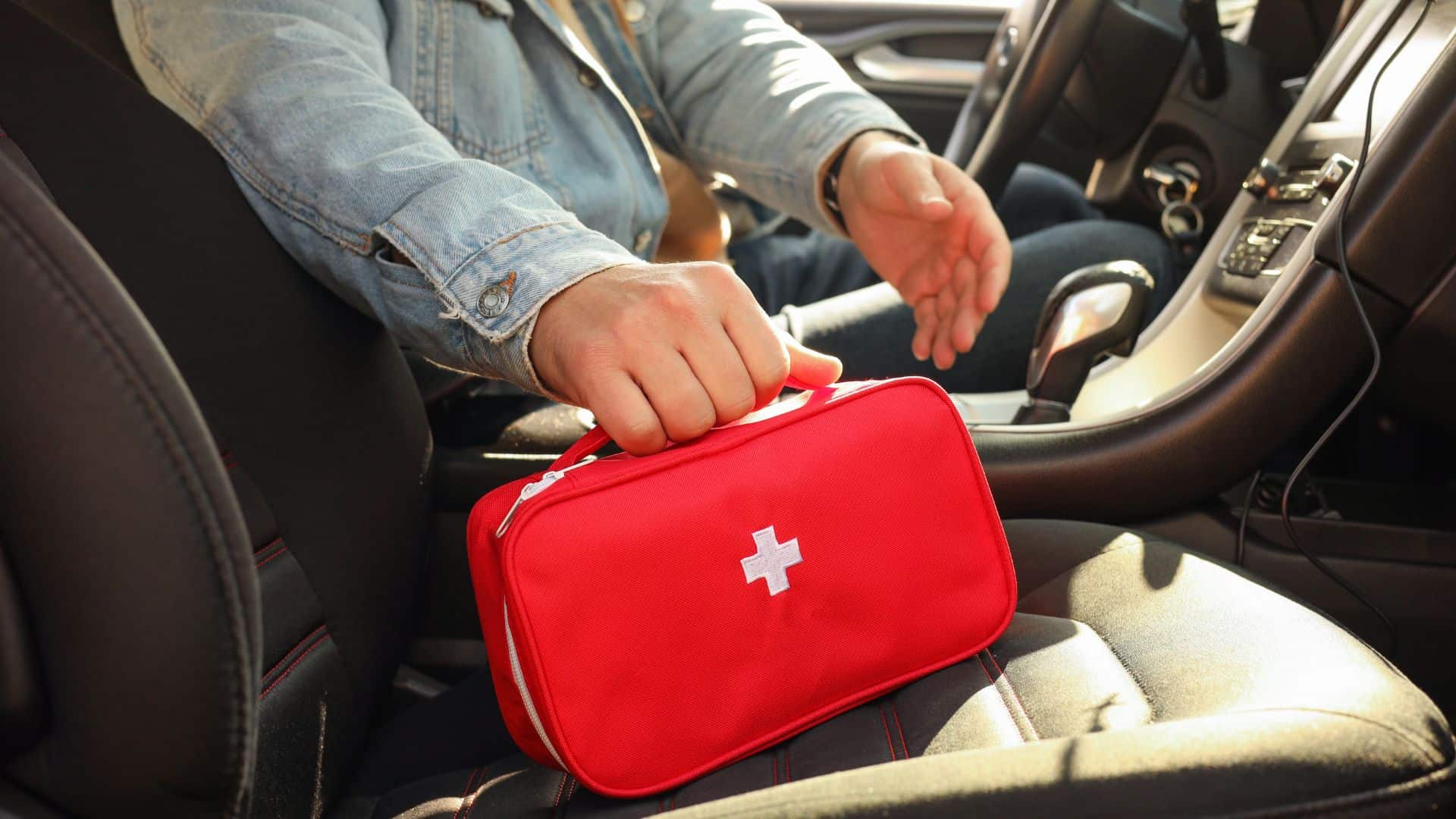
A first-aid kit deserves a permanent place in the car, too. Most road trip injuries are minor, like cuts, headaches, or minor burns, and 99% of the time, you won’t need it, but when you need it, they can be a lifesaver.
The small, weird items that solve big problems

There are a few other things I recommend putting in the trunk just in case. Duct tape and cable ties might sound excessive, but when something breaks loose mid-trip, you’ll be glad you have them handy. Loose trim pieces, damaged cargo straps, and almost anything can be temporarily fixed or reattached just well enough to finish the drive safely. They’re not permanent repairs, but they’re exactly the kind of thing experienced road trippers keep around because they’ve already learned the hard way.
Having backup navigation is important too. Rural areas, mountains, and long desert highways still have dead zones where GPS apps stop working properly. Downloading offline maps, bringing a real map before leaving, or keeping a paper map in the car can prevent a stressful situation from becoming a much bigger problem.