
When Ford ended the F-150 Lightning, owners say something bigger was lost
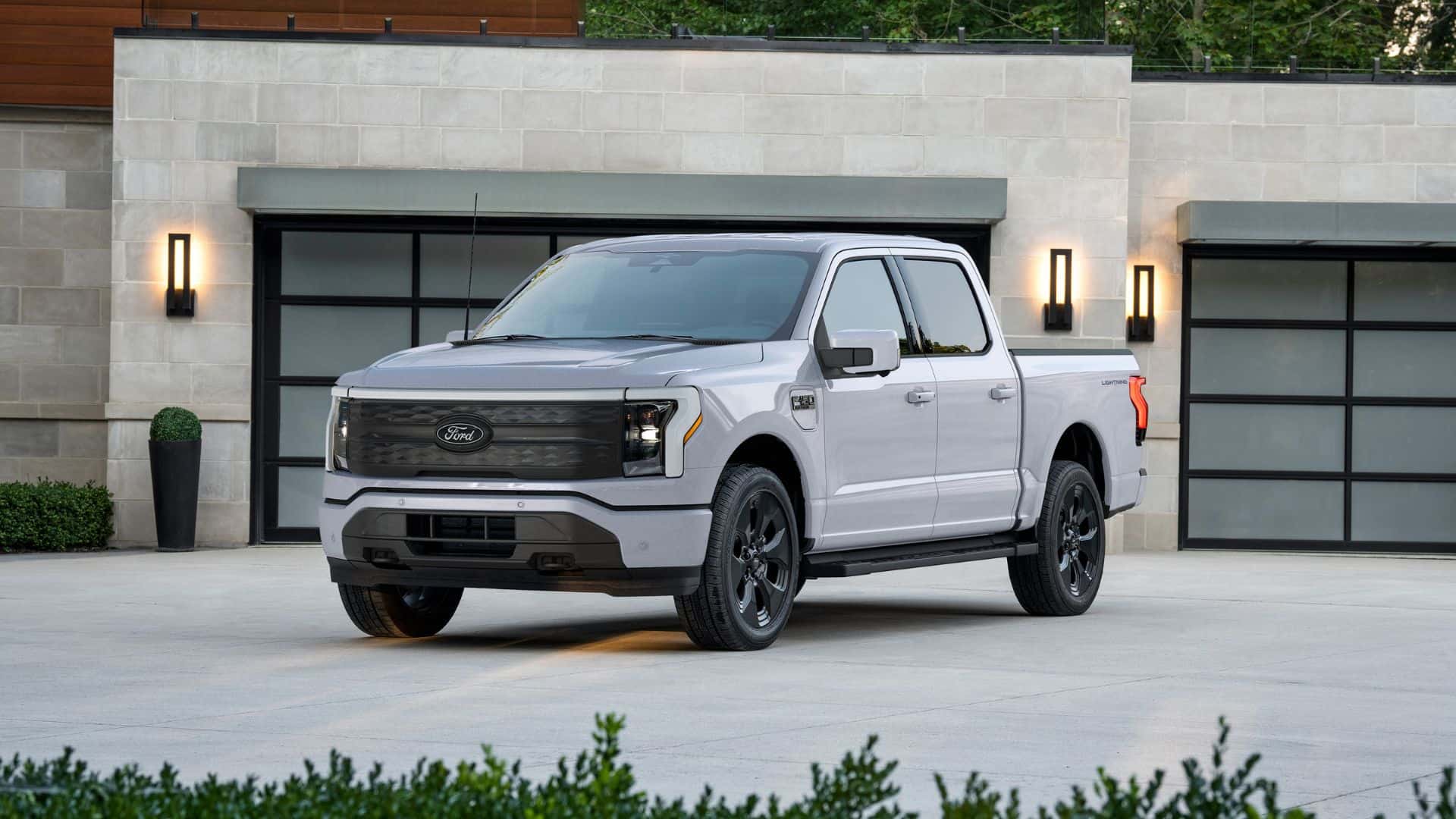
The fully electric F-150 Lightning may be ending, but the tight-knit community it built isn’t ready to let go of what it represented
The Ford F-150 Lightning built something rare in just a few short years on the road. This amazing EV truck built a community. Owners of the truck created clubs and forums, and they bonded over its power and practicality. In December 2025, Ford confirmed that production of the current Lightning had ended and that it is pivoting to a hybrid, extended-range version, as well as to more traditional gas- and hybrid-powered F-150s. Owners feel that their connection to and meaning of the vehicle are in turmoil.
The story
Ford first launched the electric F-150 Lightning in 2022. They asked, “What if America’s most iconic pickup truck were powered by batteries?” The Lightning offered instant torque and a frunk and enclosed storage compartment at the front of the vehicle that became a conversation starter everywhere it went. Early adopters of this EV formed bonds with their trucks and each other.
Groups like Lightning Clubs of America popped up, held regional meetups, shared stories, and boosted their popularity online. Despite the enthusiasm, Ford announced that production of the Lightning officially stopped this year as the company reshuffles its EV strategy toward more hybrids and extended-range configurations.
The Lightning isn’t going away entirely, just changing. Ford says the next-generation F-150 Lightning will be an EREV. This stands for Extended Range Electric Vehicle, and it means the electric pickup will have an onboard generator.
In the new version, the wheels are still driven by electric motors, but a gasoline engine serves only as a generator to recharge the battery on the move. This gives the truck a much longer range with fewer charging stops. Either way, current F-150 Lightning drivers know it’s still a significant philosophical shift from a full BEV to EREV.
Reactions
Online communities and owners felt different emotions about the shift. Some of them said the Lightning community was like a “tribe”. In a thread posted to the Lightning community on Reddit, someone asked, “Why is everyone freaking out about the Lightning ending production?” In the comments, one user wrote that they find themselves defending the Lightning after strangers ask about the frunk and features. They felt like an early advocate, anticipating that “adoption would reach critical mass”. And it did for a moment, at least among truck-curious EV enthusiasts.

Some Lightning owners feel Ford’s move is a step backward and undermines the core benefits of the BEV, like instant torque. One commenter said, “It’s the dumbest decision this guy has made, second only to stopping the production of all sedans. An EREV Lightning is literally pointless. You LOSE all electric range, LOSE the frunk, and gain an engine that needs to be maintained and possibly more weight…”
This owner sees additional complexity without actual benefits. From an expert perspective, this points out tension between corporate risk management and customer loyalty. Ford is hedging for broader market appeal, but in doing so, it risks alienating early adopters who value simplicity and full-electric freedom.
Some owners weren’t fazed by the news. One owner responded, “I have mine, so I really don’t care.” For this community, their loyalty has been built on their experience. Owners who’ve enjoyed the truck’s performance and features, along with the electric freedom, are staying confident in their choice, even as the market pivots. The Lightning’s appeal seems to be a lasting connection for those who rely on it daily.
Another commenter summed it up by saying, “anti-EV narratives shaped public opinion long before most people even test-drove the truck”, and wondered if that had anything to do with the decision. That frustration echoes in other discussions, where owners debate whether the shift reflects a concession to critics or a genuine strategic reset.
Many owners explained why they love their F-150 Lightning and noted some of its practical benefits. There are many owners in the comments who love it for daily driving, camping, hauling lumber, or powering tools. Broader adoption stalled because full-size EV trucks have struggled with charging infrastructure, high upfront costs, and limited towing capacity compared to gas models.
What this means for owners
This moment felt personal to a lot of F-150 Lightning owners. For them, buying the truck was a statement about where trucks, and transportation more broadly, were headed. Owners would often turn into informal ambassadors, answering questions from strangers and correcting EV myths.
Ford has stated that parts service and software support for existing F‑150 Lightning trucks will continue for at least 10 years after production ends, giving current owners a bit of peace of mind. Still, the end of all-electric Lightning production brings emotional whiplash to its loyal market and community.

Some owners now see their trucks as part of a distinct chapter in automotive history and a bold, full-commitment EV from a legacy brand before compromise entered the picture. Ford might be moving into the hybrid market, but the community that formed around the Lightning will remain intact because of the experiences and shared joy they have built together.
Takeaways
The F-150 Lightning’s story is about a community that saw in the truck a vision of what a pickup could be: quiet yet capable, powerful, bold, and forward-looking. Owners of the EV model formed bonds with their Lightning, and for them, this story is a larger cultural tale because they formed lasting experiences and respect for the machine.
As Ford pivots, the Lightning’s legacy continues to influence EV adoption in the truck market, and still maintains its tight-knit community. The emotional connection drivers have to their vehicles has driven loyalty and advocacy. Online and in the car community, excitement for future electric trucks persist because the Lightning made people rethink what a pickup could be.