

Is driving in the U.S. really different? Here’s how it compares worldwide
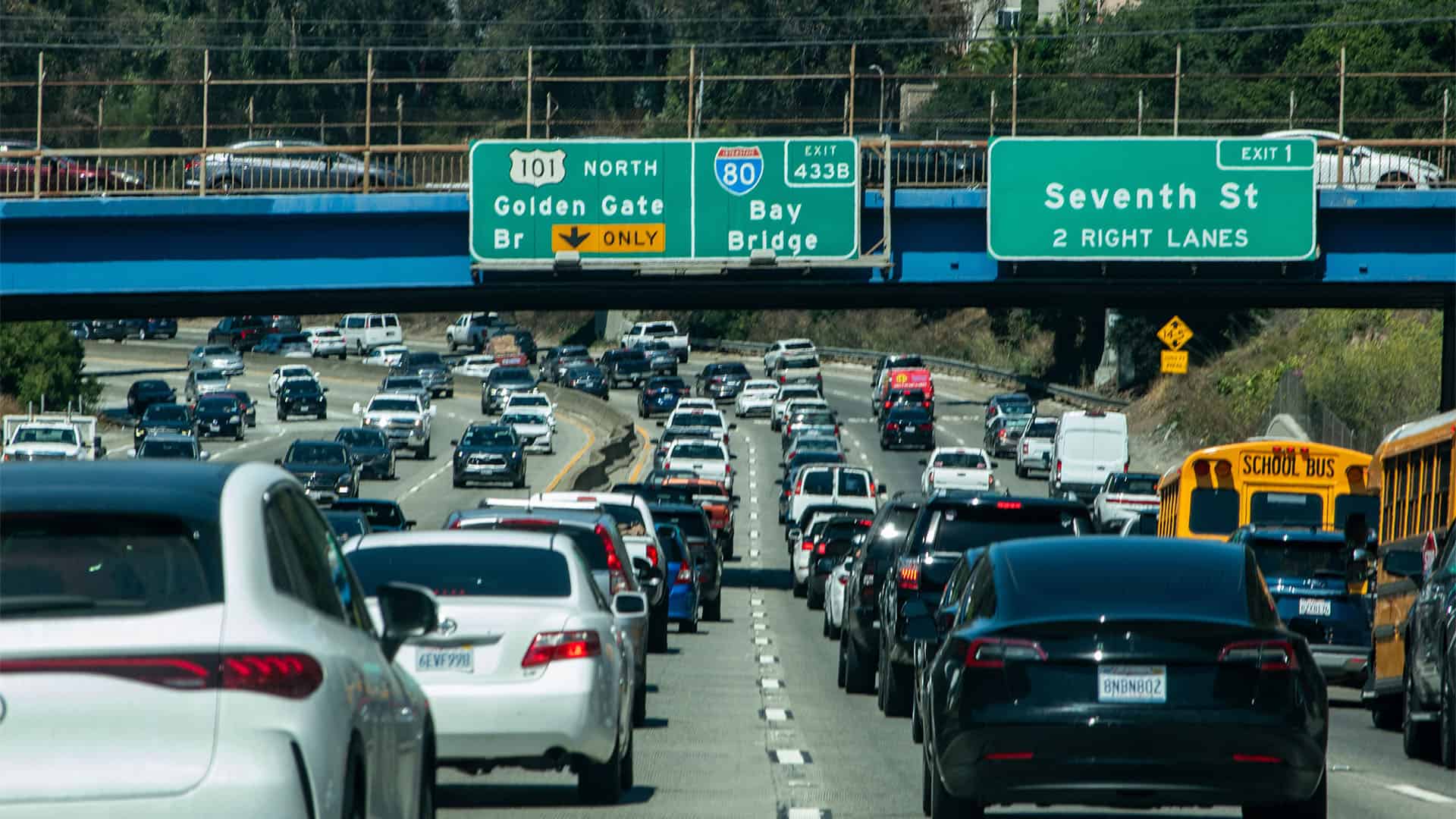
A closer look at how everyday driving habits work in the United States.
Anyone who has driven in both the United States and abroad quickly notices that the experience is not interchangeable. From wide, road-centric cities to state-by-state licensing rules and strong vehicles, the American driving system reflects a distinctly different approach to mobility. Some of these differences stem from geography and scale, while others stem from regulation, infrastructure planning, and cultural attitudes toward driving. Here’s how the U.S. system is structured and how it stacks up against driving cultures in other parts of the world.
How drivers get a license

Driver licensing in the U.S. is handled by each state. There is no national program that standardizes age requirements, testing procedures, or supervised practice hours. Because of this, the time it takes to get a license depends entirely on where a person lives.
For example, in Virginia, those who have never held a license must complete a road skills test. You must either present an acceptable driver’s education certificate of completion or complete a behind-the-wheel checklist that describes specific driving tasks that you may be asked to perform while taking the road skills test. And even if you get your license, some age-based limitations still apply.
On the other hand, in Utah, adults applying for their first license must complete a driver education course, hold a learner’s permit for 6 months, and complete 40 hours of practice driving.
In California, adults must pass a knowledge test to obtain a learner’s permit and then pass a behind-the-wheel driving test. There is no mandatory holding period for adults, unlike in other states.
Some states require formal education, others rely on supervised practice, and appointment delays vary. This decentralized approach affects consistency in driver training nationwide.
Compared with the United States, other countries often require learners to complete professional lessons with certified instructors, follow uniform national exam standards, and undergo more extended training periods before road testing. These systems tend to produce more standardized driver preparation than the state-by-state model used in the U.S.
In Scandinavia, driving tests are notoriously challenging, even for experienced drivers seeking a local license. Students must complete a test drive on a slippery test track simulating wet and icy conditions.
How insurance incentives shape driving behavior
Insurance is a major factor in how Americans make decisions on the road. Companies raise premiums for violations such as speeding, running a red light, or causing a crash. These increases may last for years, depending on state laws and insurer policies.
Many drivers rely on “good driver” discounts, which lower rates for people with clean records. Losing this discount can make insurance significantly more expensive. Some states also require insurers to apply point systems, where each violation adds points to a driver’s record and increases costs.
Because of this, many drivers treat compliance with rules as both a safety matter and a financial one. It is common for drivers to take defensive driving courses when allowed to remove points from their records and reduce costs. Visitors from countries where insurance pricing works differently often notice how closely Americans monitor their driving history.
A person on Reddit from the States shared about the insurance-related behavior, “We are polite drivers compared to many countries. An Italian friend asked why Americans always follow the rules of the road. I told him because if we get a ticket, we lose our good driver discount, and our insurance goes way up. They hit us in our wallets, where it hurts most. That’s why it literally pays to be a good driver here.”
Insurance penalties can last for years, which makes drivers cautious in ways that may not appear cultural at first glance. In many countries, insurance premiums don’t change as much based on violations. For that reason, visitors are sometimes surprised to learn that American drivers often adjust their behavior to avoid higher costs rather than out of tradition or etiquette.
What national safety numbers say about U.S. driving

As established, the driving behavior in the United States varies widely because each state sets its own training and testing standards. New drivers enter the road system with varying levels of practice, and this is evident in how they handle speed and everyday traffic. Road design also shapes habits. Many highways are built for long travel and faster movement, and larger vehicles are common on those roads. These factors influence how drivers react to congestion, weather, and emergency situations.
Numbers from the Insurance Institute for Highway Safety show how different driving conditions look across the country. IIHS recorded 40,901 motor-vehicle deaths in 2023 alone, or 12.2 deaths per 100,000 people. Speed limits, how roads are built, the share of rural highways, and the types of vehicles people drive all influence these differences.
Looking at international road death per 100,000 people data, the United States is around 75th, with data similar to those of India and Malaysia. The statistics show the sad reality, with the death rate multiple times higher than, for example, in European countries.
How do people compare the U.S. driving culture to other countries
Visitors who have driven both inside and outside the United States often mention differences in vehicle size, behavior, signaling, and emergency-vehicle response. Some people shared on Reddit how they compare what they see on U.S. roads with what they see in other regions.
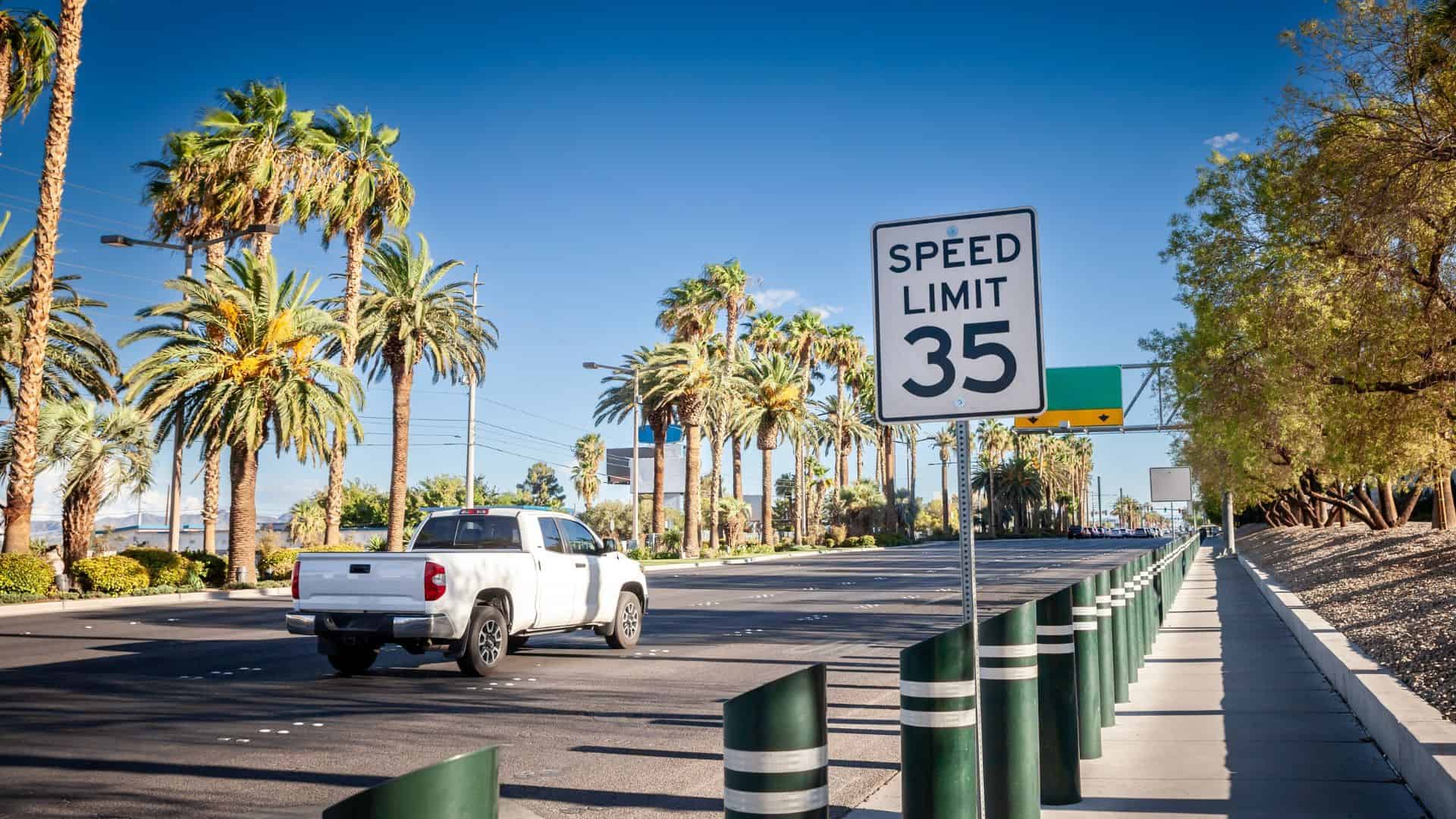
Many comments mention the type of cars Americans drive. One user from the States wrote, “We like big, fast muscle cars. We have an open highway for cruising…racing between the lights will always be a thing for some people.”
Large vehicles are standard in the U.S., and several states have long, straight highways where drivers cover long distances every day. People who are used to smaller cars and narrower streets abroad tend to notice this immediately. It also reflects how U.S. drivers often rely on acceleration and power when merging or passing, because road design provides them with space to do so.
Another user described what they noticed during a trip abroad: “Drivers in Western Europe seemed vastly more competent when I did a road trip there. One little thing I liked that I rarely see in the States was people throwing their hazards on when there was a sudden backup on the highway.”
In many countries, students must take lessons with certified instructors who teach specific responses to traffic changes. Hazard-light use during a sudden slowdown is one of those common behaviors. In the U.S., driving manuals vary, so visitors often see less coordinated signaling on highways.

One user shared about lane use and emergency-vehicle response, “Lived in Germany for a few years. Overall, Americans definitely go over the speed limit more than Germans. It helps that they don’t have speed limits on the Autobahn sometimes. Lane discipline is terrible in America as compared to most of Europe, except Italy. I wouldn’t say Americans are overly aggressive, but one thing that’s overlooked is dealing with emergency vehicles and traffic. Germans have that down. It almost makes me embarrassed now when I see an emergency vehicle trying to get through”.
Many countries enforce strict lane rules, especially on highways, where the left lane is reserved for passing. Emergency-vehicle corridors are also part of standard training. In the U.S., these habits vary by state and driver experience, so responses are less predictable.
Driving habits differ from place to place, and the United States is no exception. The different state rules, local customs, and the country’s size create a road system that differs from what many international drivers are used to. People notice these differences in training, speed, signaling, and everyday behavior, and the reactions often reflect the systems they learned in. Looking at those experiences alongside official data helps explain why driving varies so much here and why visitors respond to it the way they do.