
10 Wild car facts that sound fake but are completely true

Some of these facts sound exaggerated and genuinely don’t seem possible until you realize it is.
Cars are one of those things most people interact with daily without thinking twice about what’s actually happening under the surface. But once you start digging into how they’re built, how they evolved, and what they can do, the details get strange fast.

1. An F1 car can generate more downforce than it weighs
At high speeds, modern Formula 1 cars generate extreme aerodynamic force that pushes them into the track. The Mercedes-AMG Petronas Formula One Team explains, “at around 150 km/h, the car generates as much downforce as it weighs.” By the end of a straight at maximum speed, that figure increases to “three or four times the weight of the car,” which is what allows the cars to stay planted through high-speed corners under control.
2. Electric cars are older than gas-powered ones
Electric vehicles are often seen as modern technology, but early prototypes appeared decades before gasoline engines became dominant. The concept of electric carriages dates back to the mid- to late 1800s. By the early 1900s, electric cars were already in use in cities, before infrastructure and battery limitations shifted the market toward internal combustion engines.
3. The average car has around 30,000 parts
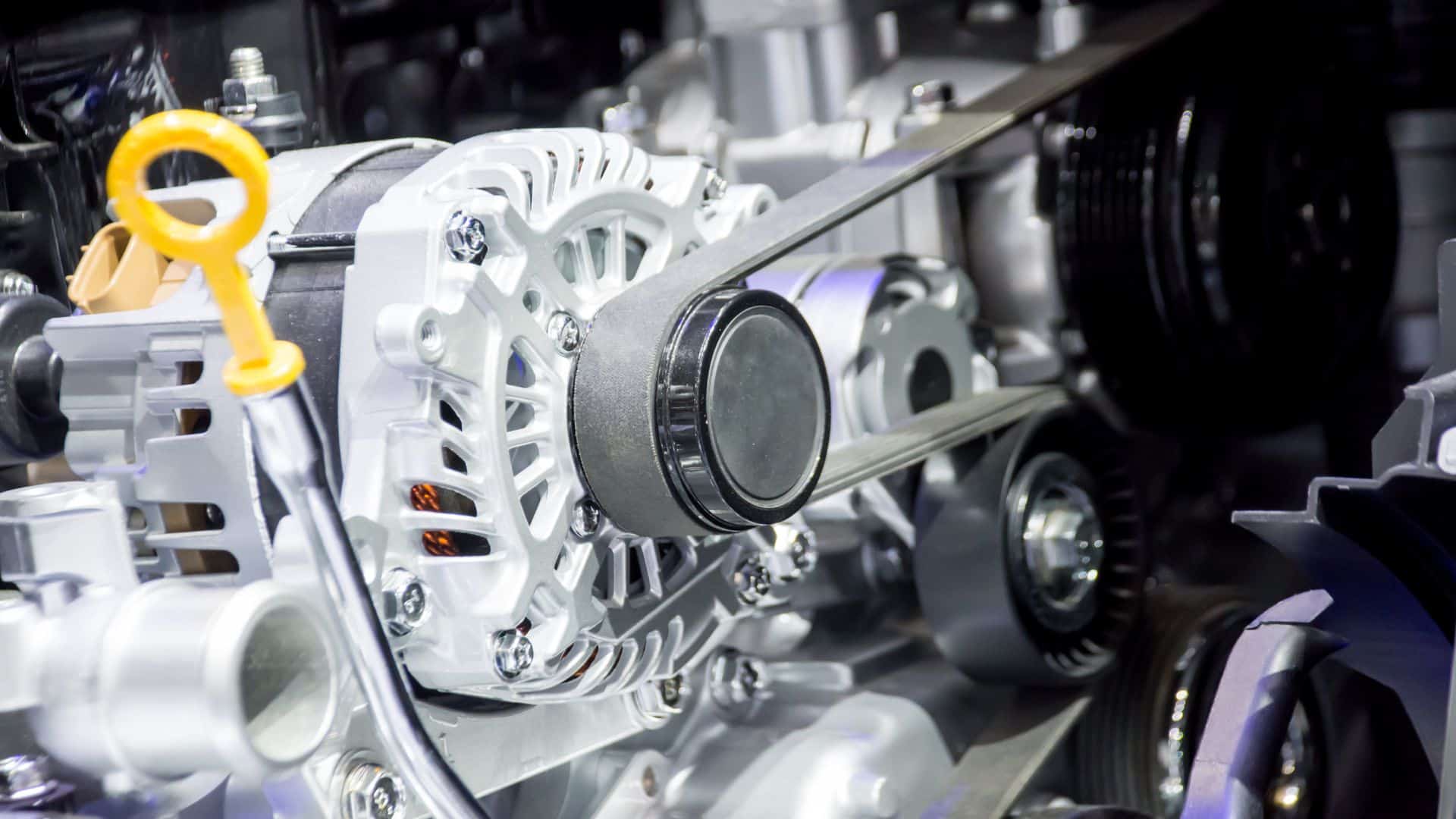
Modern vehicles are made up of tens of thousands of individual components, from the smallest fasteners to electronic systems. A single car is built from more than 30,000 parts, many of which come from a global network of suppliers. That complexity is why automotive supply chains are so sensitive. Even a small number of parts delayed or unavailable can disrupt production across entire factories.
4. Early cars didn’t use steering wheels
The first automobiles were often controlled with tillers, lever-based steering systems similar to those on a boat. But “by 1894, this method became more and more ineffective,” and steering wheels became standard as vehicles got faster and required more precise control. It seems basic today, but it was actually a major usability upgrade at the time.
5. Cruise control was invented by a blind engineer
Ralph Teetor, an engineer who lost his sight early in life, invented cruise control after driving with his friend and noticing inconsistent driving speeds. His system, introduced in the 1940s, eventually became a standard feature across the industry. His work is credited as an early step toward modern driver-assistance systems that rely on maintaining consistent speed and distance.
6. Bugatti has a key that unlocks a second top speed
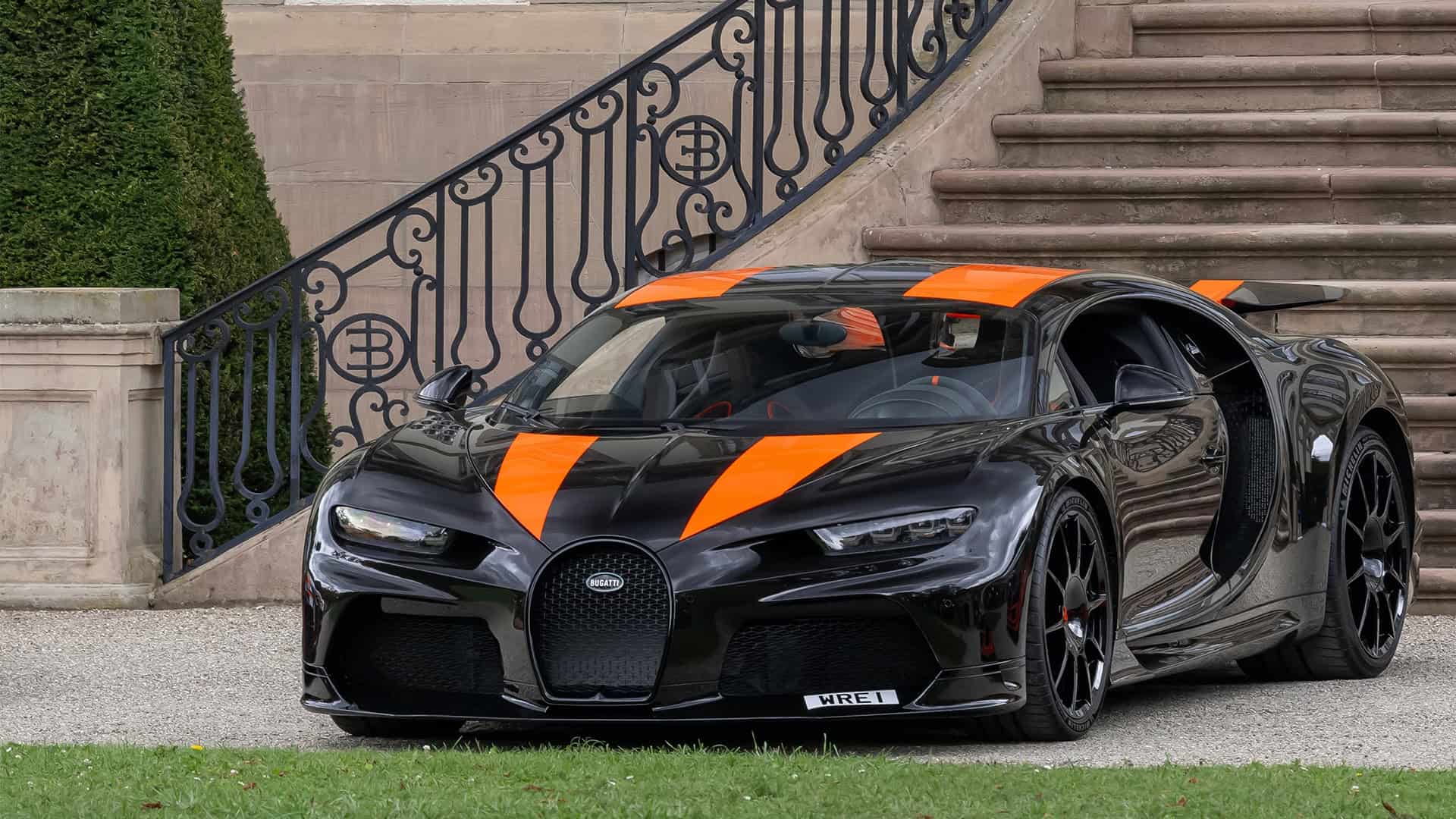
The Bugatti Chiron has a separate way to unlock its full performance. You can activate top speed mode, but only with the car’s permission via the Speed Key, “to go beyond the electronically-limited 380 km/h all the way to 420 km/h.” Without it, the car stays electronically capped through safeguards, even though the hardware is capable of much more.
7. Over 60% of all Rolls-Royce cars ever built are still on the road
It sounds exaggerated, but it’s not. Estimates suggest that more than 60% of all Rolls-Royce vehicles ever produced are still in use today, a number that’s unusually high for any manufacturer. That longevity comes down to how these cars are engineered and maintained. Rolls-Royce vehicles are built with long service lives in mind, often using over-engineered components and traditional craftsmanship that prioritizes durability over cost. They’re also far more likely to be preserved than replaced.
8. Some cars can update themselves like a smartphone
Vehicles from companies, such as Tesla and Ford, can now receive over-the-air (OTA) updates that can change performance, features, and even driving behavior. It effectively turns the car into a software platform where the experience can evolve after purchase without ever having to visit the dealership. In some cases, these updates can unlock new features or improve existing ones years after the car was originally sold, something that wasn’t possible with traditional vehicles.
9. A car’s hood can pop up during a crash to protect pedestrians
Some vehicles are designed to protect people outside the car, not just inside. Certain models from Volvo and Jaguar use “active hood” systems that lift the hood slightly during a collision to reduce head injuries by creating more space between the hood and hard engine components. The system triggers in milliseconds using impact sensors, raising the hood just enough to act as a buffer without affecting normal driving.
10. Volkswagen once sold more sausages than cars
This is one of those shocking fun facts. The Volkswagen Currywurst has long been more than a snack. It’s a cult classic! It has its own part number and international bestseller. Volkswagen has been producing its own Currywurst sausage since the 1970s and has done pretty well in sales. Most recently in 2024, around 8.5 million VW Currywursts were sold in company canteens and supermarkets, which was “more than cars of the core VW brand” sold in the same year.