
You’ve probably heard these 10 car myths for years—but they aren’t true

The most common car myths that we hear over and over, and why it’s time to leave them behind.
Many of us still follow automotive advice passed down from parents or “car-guy” friends as if it were gospel. While these tips might have been essential for vehicles 30 years ago, modern engineering has made many of these long-standing stories completely obsolete. In fact, sticking to these old-school habits is often unnecessary, and in some cases, can actually do more harm than good to your modern car. Here are 10 common car myths that simply don’t hold up in 2026.
1. Premium fuel is better for every car

Many drivers assume that premium fuel equals premium performance, but that’s not always the case. Premium gas has a higher octane rating, which prevents knocking in high-compression engines, typically found in sports or luxury vehicles. If your car doesn’t require it, using premium won’t make it run faster or cleaner. You’re just spending extra for no real benefit.
It’s also worth noting the difference between fuel types like E5 and E10. These contain 5% or 10% ethanol, a renewable biofuel made from plants. Ethanol helps reduce emissions but may slightly impact fuel economy. Some older models have a fuel pump system that cannot tolerate high levels of ethanol. So, if your car is ok with higher ethanol blends, E10 is generally safe for most modern vehicles. Check your owner’s manual: if it says regular fuel is fine, then that’s precisely what you should use.
2. You have to warm up your car for 10 minutes in winter
This one made sense back when engines used carburetors, but today’s fuel-injected engines are built for cold starts. A modern car only needs about 30 seconds to get going. In fact, idling too long can waste gas and lead to carbon buildup. Modern engines and synthetic oils are also designed to flow well in cold temperatures, allowing them to protect internal components more quickly than the oils used decades ago.
Instead of waiting in your driveway, a better approach is to drive gently for the first few minutes, which helps your engine reach its optimal temperature more quickly and improves efficiency. You’ll get heat sooner and help your engine last longer. Long warm-ups are no longer necessary. They’re a habit, not a requirement.
3. Change your oil every 3,000 miles
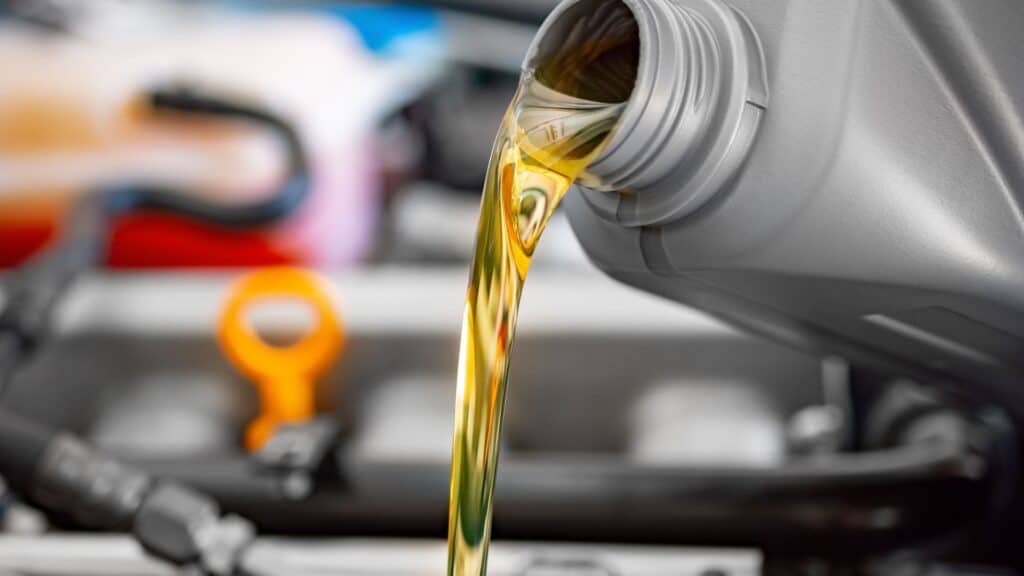
The old 3,000-mile oil change rule was useful in the 1970s and ’80s. However, with advancements in synthetic oil and engine technology, most modern vehicles can easily travel 5,000 to 10,000 miles before requiring an oil change. Still, this outdated advice persists.
What’s changed isn’t only the oil itself, but also how your car monitors it. Many vehicles today are equipped with sensors that track driving conditions such as engine load, short trips, temperature, and speed, and calculate when an oil change is actually needed. So, instead of following a rigid rule, your car adapts to your driving style. Following your maintenance schedule and dashboard alerts is the smartest and usually the safest way to go.
4. Red cars cost more to insure
This one has stuck around for years, but it’s just not true. Insurance companies don’t factor in your car’s color when calculating your premium. They care about your driving record, where you live, the car’s safety features, its repair cost, and how often you drive. A red car won’t trigger a higher rate than a blue or black one will. So, if you’ve been avoiding that bright cherry-red sedan because you thought it would cost more to insure, go ahead and enjoy it. Color has nothing to do with it. Pick the car you love; your insurance rate will be based on real data, not paint jobs.
5. Bigger cars are always safer
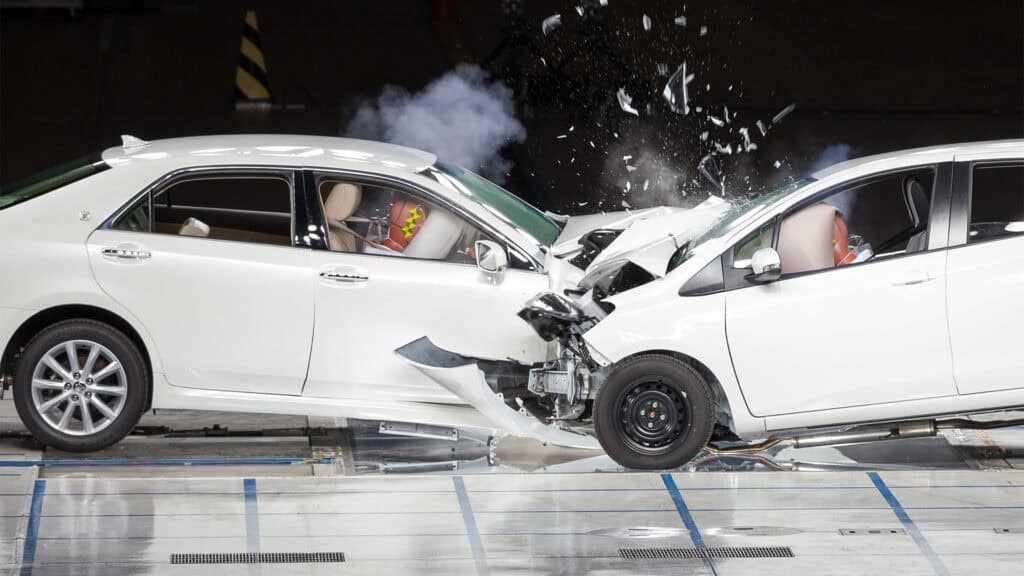
Size can offer some protection, but it’s far from the full picture. Safety ratings, crash-test results, and driver-assistance features are much more important. A compact car with top safety ratings can be safer than an old SUV with no modern crash protection. Some large vehicles also have higher rollover risks or longer stopping distances.
Don’t rely on size alone when shopping for a safe car. Look for up-to-date safety tech and solid crash test results from the IIHS or NHTSA. Safety has more to do with smart design and active safety systems than just being big.
6. Letting your car coast in neutral saves fuel
It might sound logical, but coasting in neutral is outdated advice, and it can actually be dangerous. Most modern cars are designed to use less fuel while coasting in gear because the fuel injectors shut off when the gas pedal is not pressed. Putting the car in neutral removes engine braking and can reduce your control, especially on hills.
Trust your car’s engineering and keep it in gear when going downhill or coasting. It’s safer and smarter. In newer cars, the systems already optimize fuel efficiency better than any old trick can. Some new models also come with a “hold on” function that keeps the car stopped even while you are driving. This can be extremely handy when you’re stuck in a traffic jam and want to move your legs a bit, rather than constantly standing on the brakes.
7. All-wheel drive means you can’t get stuck
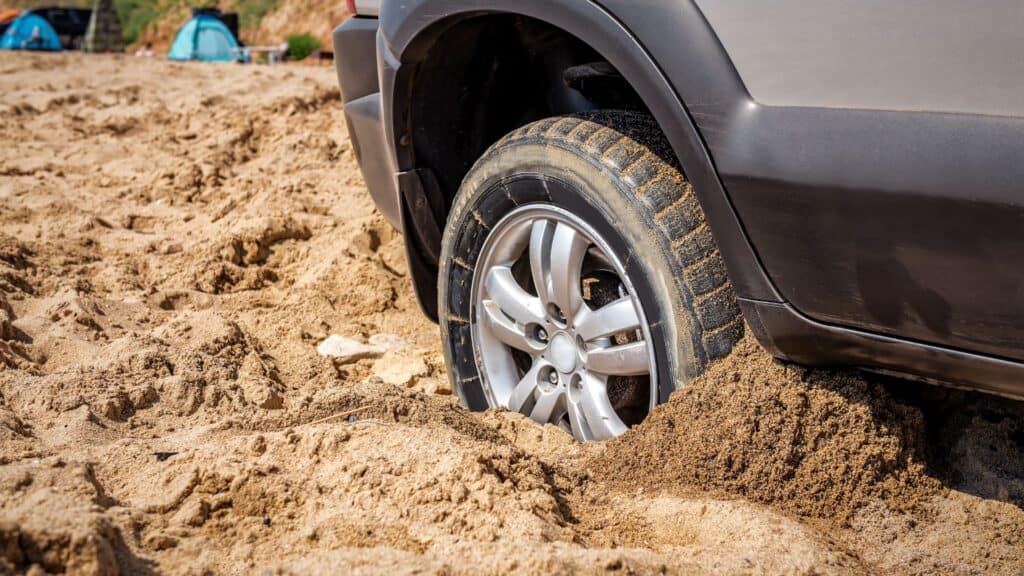
All-wheel drive enhances traction, making it particularly beneficial in snowy or rainy conditions. But it doesn’t make your car invincible. AWD helps you move, but it doesn’t help you stop or turn faster. You still need good tires and smart driving habits. A front-wheel-drive car with snow tires can outperform an AWD car with worn-out tires. Don’t overestimate what AWD can do. It’s helpful, but it’s not a magic fix for all road conditions. Good tires and driving skills matter more than the drivetrain.
8. Washing your car too often damages the paint
Actually, not washing your car regularly is what ruins the finish. Dirt, salt, and grime can wear down the clear coat and damage paint. Washing your car gently with proper soap and clean tools actually protects it. The key is doing it the right way: avoid harsh brushes, skip automatic car washes with stiff bristles, and always rinse well. Regular washing not only keeps your car looking good but also protects its resale value. Don’t let this myth stop you from giving your car the care it needs.
9. Manual cars always get better fuel economy
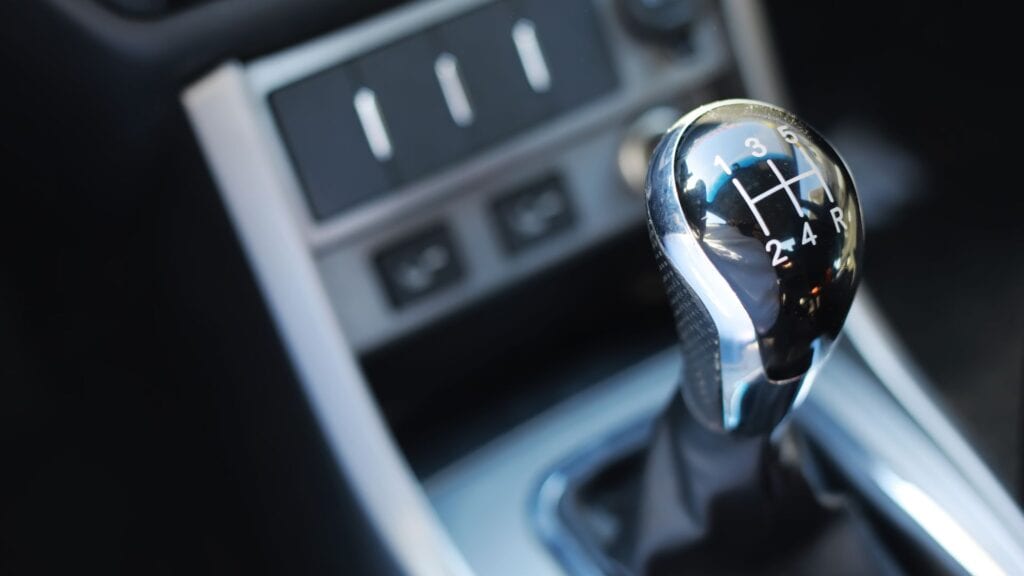
This used to be true. Manuals were lighter and gave drivers more control. However, modern automatics are incredibly efficient and often outperform manuals in fuel economy. Thanks to advanced gearboxes and computerized shift optimization, many automatic cars now match or beat their manual counterparts. Unless you just love shifting gears, buying a manual solely for fuel savings isn’t as advantageous as it once was. Technology has leveled the playing field. It’s more about personal preference than performance now.
10. You should always inflate tires to the PSI printed on the sidewall
It’s a common mistake. People glance at the number printed on the tire’s sidewall and assume that’s the correct pressure. But that number is actually the maximum pressure the tire can safely hold, not the recommended setting for your car. Reaching the maximum PSI can result in a harsh ride, reduced traction, and uneven tire wear. The correct tire pressure for your vehicle is typically indicated on a sticker inside the driver’s door or in the owner’s manual.
That’s the pressure the car’s suspension and braking systems were designed to work with. Keeping tires properly inflated not only improves safety and handling but can also boost fuel efficiency. A quick check with a reliable gauge every few weeks makes a big difference. It’s a small habit that pays off in the long run.
Many car myths originate from a good place, but cars have changed, and the advice should evolve, too. Hanging onto outdated tips can cost you money and waste time, but knowing the facts helps you become a more competent and confident driver. So the next time someone offers advice that sounds a little too familiar, don’t be afraid to question it. Chances are, your car already knows better.