The Hidden Costs of Owning an Electric Car
We hear it all the time: Driving an electric car is cheap, clean, and the future of transportation. I’ve lost count of how many friends have told me they’re saving a fortune after switching to an EV. But as someone who actually looked into making the switch myself, I quickly realized there’s more to the story. Is it really that affordable, or are there hidden costs we don’t talk about enough? Between the upfront price, charging challenges, and long-term maintenance, it turns out owning an EV isn’t always as simple (or as cheap) as it sounds. In this article, I try to collect and highlight the real cost of owning an EV, which is not always measurable in money.
1. Purchase Price and Incentives
Just by scanning through the offers from well-known manufacturers, you can see that EVs often come with a higher upfront cost compared to internal combustion engine (ICE) vehicles. In 2025, the average transaction price for a new EV in the U.S. was approximately $59,200, while gas-powered vehicles averaged around $47,500. The good news is federal and state incentives can offset this difference for EV buyers. For instance, the federal Inflation Reduction Act offers tax credits of up to $7,500 for new EVs and $4,000 for used ones, depending on eligibility.
There are several reasons behind the high upfront cost for EVs, but one thing is for sure. Automakers have invested billions into EV research and development, and at some point, they must cover the initial investment costs. Another logic is they plan to sell off the old ICE cars at a lower price. Car pricing is super complex, and we don’t aim to deep dive into this. Rather, let’s see what else is driving the cost of EVs.
2. Charging Infrastructure Costs

Home Charging Installation
If you have an EV, installing a home charging station is one of the most convenient and cost-effective ways to charge your vehicle, but it’s not an option for everyone. If you live in a suburban home with a private garage or driveway, you can typically install a Level 2 charger for anywhere between $200 and $2,000, including hardware and professional labor. However, for those living in densely populated cities or in apartment buildings and condos, installing a personal charger can be difficult or even impossible. Also, access to shared parking, building regulations, and landlord restrictions often create barriers. In these cases, EV owners are left relying entirely on public infrastructure, which can be less convenient and more expensive over time.
Public Charging Expenses
It is no secret that charging at public stations can be more expensive than home charging. In California, for example, the average cost is about 35 cents per kilowatt-hour, and a frequent reliance on public chargers, especially fast-charging stations, can increase your fuel costs.
In contrast, the average cost of gasoline in the U.S. hovers around $3.50 per gallon. For a vehicle averaging 25 miles per gallon, this equates to approximately 14 cents per mile. EVs, on the other hand, can cost as little as 5 cents per mile when charged at home, highlighting potential savings.
3. Maintenance and Repair Costs
Routine Maintenance Savings
We all saw the ads and stories that EVs are super cheap to maintain, and basically, you just need to charge and drive them. Well, it is true. EVs generally have fewer moving parts than ICE vehicles, leading to lower routine maintenance costs. For example, they don’t require oil changes or any engine parts that can be costly to repair for any ICE vehicle. A study found that EVs cost about $0.06 per mile in scheduled maintenance, compared to $0.10 per mile for ICE vehicles. Conversely, they still need suspension and a few things, but this is significantly less maintenance than an ICE car.
Repair Costs and Insurance
While routine maintenance is cheaper, repair costs can be higher for EVs due to electrical complexity. In Q1 2024, the average repair claim for EVs was $6,066, compared to $4,703 for ICE vehicles which is a 29% difference. Additionally, insurance premiums for EVs can be up to 20% higher, partly due to the higher repair costs and specialized parts.
4. Battery Degradation and Replacement

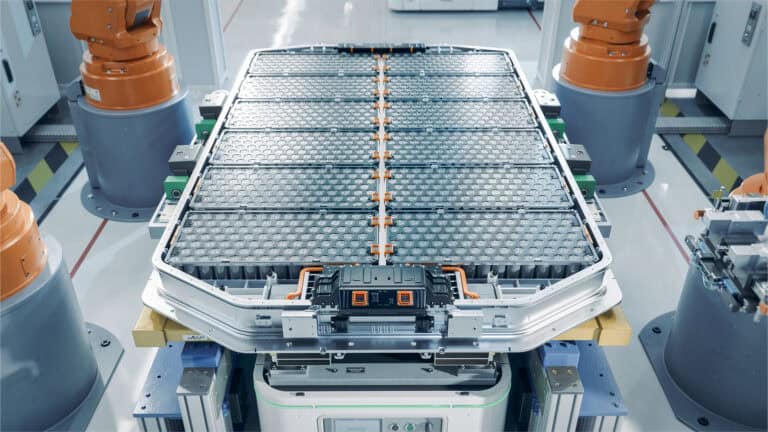
We all know that the battery is one of the most expensive components of an EV, and this is one of the biggest fears of any owner. While many EV batteries are designed to last the vehicle’s lifetime, factors like frequent fast charging and exposure to extreme temperatures can accelerate degradation. Replacement costs can range from a few thousand dollars to nearly $20,000, depending on the vehicle model. If you are afraid of the hefty cost of replacement batteries, I recommend buying an EV with a few years of warranty just to be on the safe side.
5. Tire Wear and Replacement
EV owners regularly report that their tire wear has significantly increased since driving electric. This comes from a few things. First of all, EVs are typically heavier than their ICE counterparts due to the battery’s weight, leading to increased tire wear. But, probably the biggest part of the extensive wear on tires is ( and this is why we love EVs) the great amount of torque and horsepower these cars can produce. Just to remind you, a Tesla Model S can produce up to 500 horsepower, which is like the supercar category. So do not be surprised if you need to replace the tires more often, especially if you drive it like you stole it.
6. Registration and Road Use Fees
We heard a lot about how different cities and regions try to boost EV ownership with various offers, like free parking and reduced fees for road use, but in some places, it went in the opposite direction. To compensate for lost fuel tax revenue, some states have implemented additional registration fees for EVs. For example, California charges a road improvement fee of $118 annually for zero-emission vehicles from model year 2020 onwards. These fees vary by state and can add to the annual cost of ownership.
7. Depreciation and Resale Value
EVs can experience faster depreciation than ICE vehicles, partly due to rapid advancements in technology and concerns about battery longevity. While this trend is changing as EVs become more mainstream, it’s a factor to consider, especially if planning to sell or trade in the vehicle within a few years.
8. Charging Time and Convenience
After fear of battery degradation, the second biggest concern with EVs is charging time. Yes, charging an EV takes longer than refueling a gas vehicle. Even with fast chargers, it can take 20-30 minutes to achieve an 80% charge. For those without access to home charging, relying on public infrastructure can be time-consuming and less convenient, especially during peak hours or in areas with limited charging stations. Not everyone has an extra 20-40-minute stop for charging, and we are used to the convenience of quickly filling up our car in a few minutes and continuing to drive.
9. Range Limitations and Planning
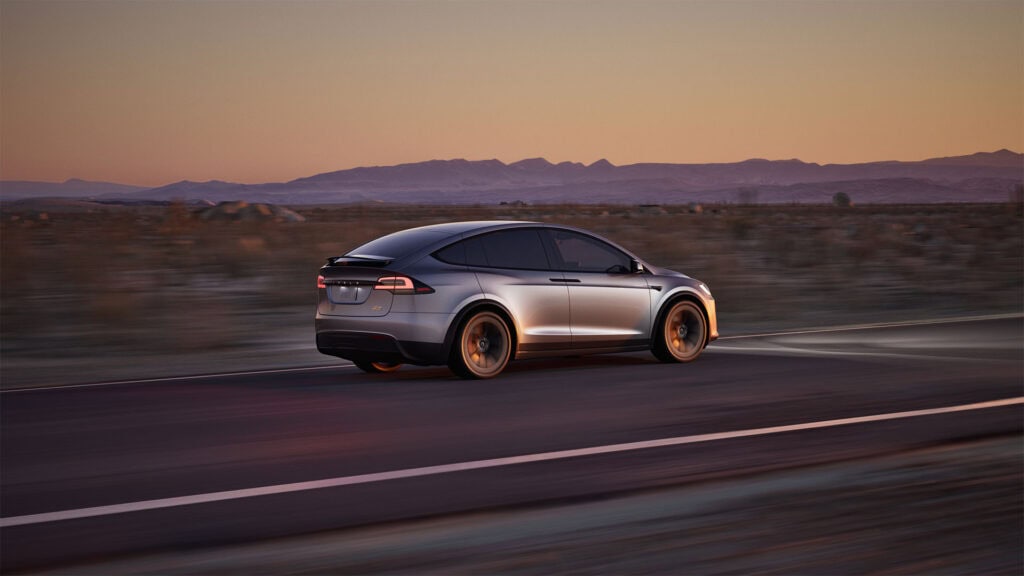
While EV ranges have improved significantly, they still require more planning for long trips compared to ICE vehicles. “Range anxiety,” or the fear of running out of charge, still remains a concern, especially in regions with sparse charging infrastructure.
10. Environmental Considerations
While EVs produce zero tailpipe emissions, the environmental impact of battery production and electricity generation varies. Your EV might not produce any CO2 while you drive around the city, but overall, car production is still a huge contributor to CO2 emission. Just think about it. You had a car that was probably still ok to drive, and now you bought a new environment-friendly EV. This new car had to be produced from scratch, with all the components, all the metal, plastic and battery parts. But did the word need one more car? Probably not. Also, the electricity you use. If it is not from a sustainable source, then probably someone is still burning fossil fuels at the power plant to power your EV.