
Ultimate guide to check your car’s fluids without any mechanical experience

A small routine that protects your engine and prevents expensive breakdowns.
Regularly checking your car’s fluids is one of the easiest and quickest ways to prevent serious mechanical issues. It takes only a few minutes, costs nothing, and can save you from expensive repairs down the line. Engine oil, coolant, brake fluid, and other essential fluids lubricate, regulate temperature, and keep key systems running safely and efficiently.
When fluid levels drop or become contaminated, the risk of overheating, poor performance, and long-term engine or component damage increases significantly. Despite how simple the process is, it’s often overlooked by drivers. This guide breaks down the main fluids you should check, what to look for, and how to do it safely. No mechanical experience needed.
Engine oil
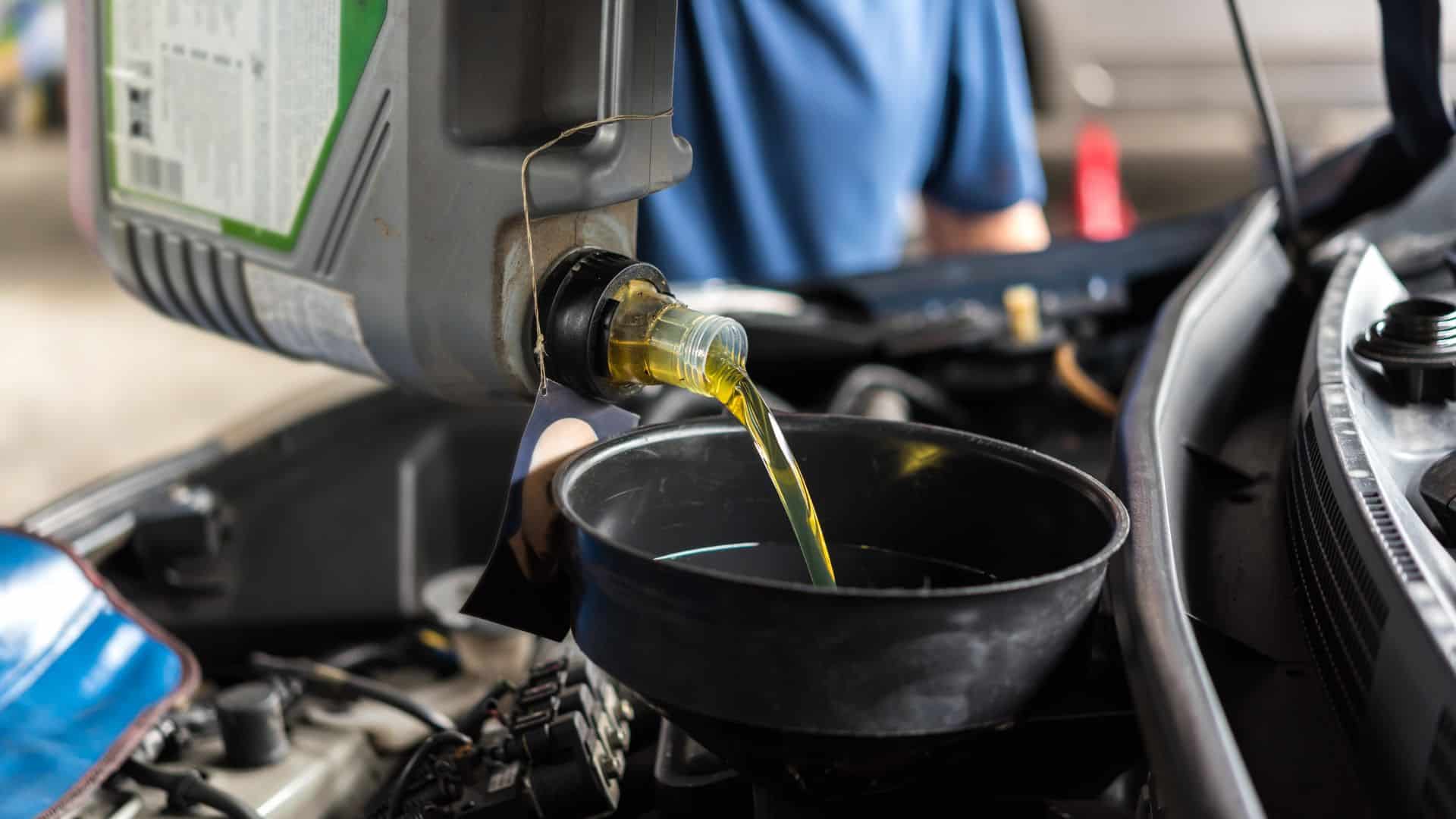
What it’s for: In short, it lubricates the engine and prevents wear from heat and friction. Engine oil is critical because it reduces internal heat, prevents metal-to-metal contact, and keeps the engine running smoothly. If the oil gets too old, it can break down and turn into sludge, losing its ability to protect the engine. Running low or running without oil can lead to catastrophic engine damage, which is expensive to fix or may even require a full engine replacement.
What it looks like: Fresh oil is amber or light brown. Old oil turns darker and can look dirty or gritty.
How to check it: With the engine off and cool, pull the dipstick, wipe it clean, then reinsert and remove it again to check the level. The stick will have markers for the minimum and maximum, and the level should be between them. Too little and too much oil can cause damage, too.
When to change it: Follow your owner’s manual. Some cars require oil changes every 5,000 miles, while others with synthetic oil can go up to 10,000 or more. Newer vehicles often come equipped with an engine oil monitoring system that calculates oil life based on actual driving conditions, rather than just mileage. These systems will alert you when it’s time for a change.
Always use the right oil for your vehicle. You might have heard names like 5W-30 or 10W-40, which refer to the oil’s viscosity, but that is not enough to choose the right oil. Owners’ manuals always state the specifications and recommend an oil brand. You don’t need to stick to the brand, but the specification must be the same. The wrong oil can slowly kill your engine.
Coolant
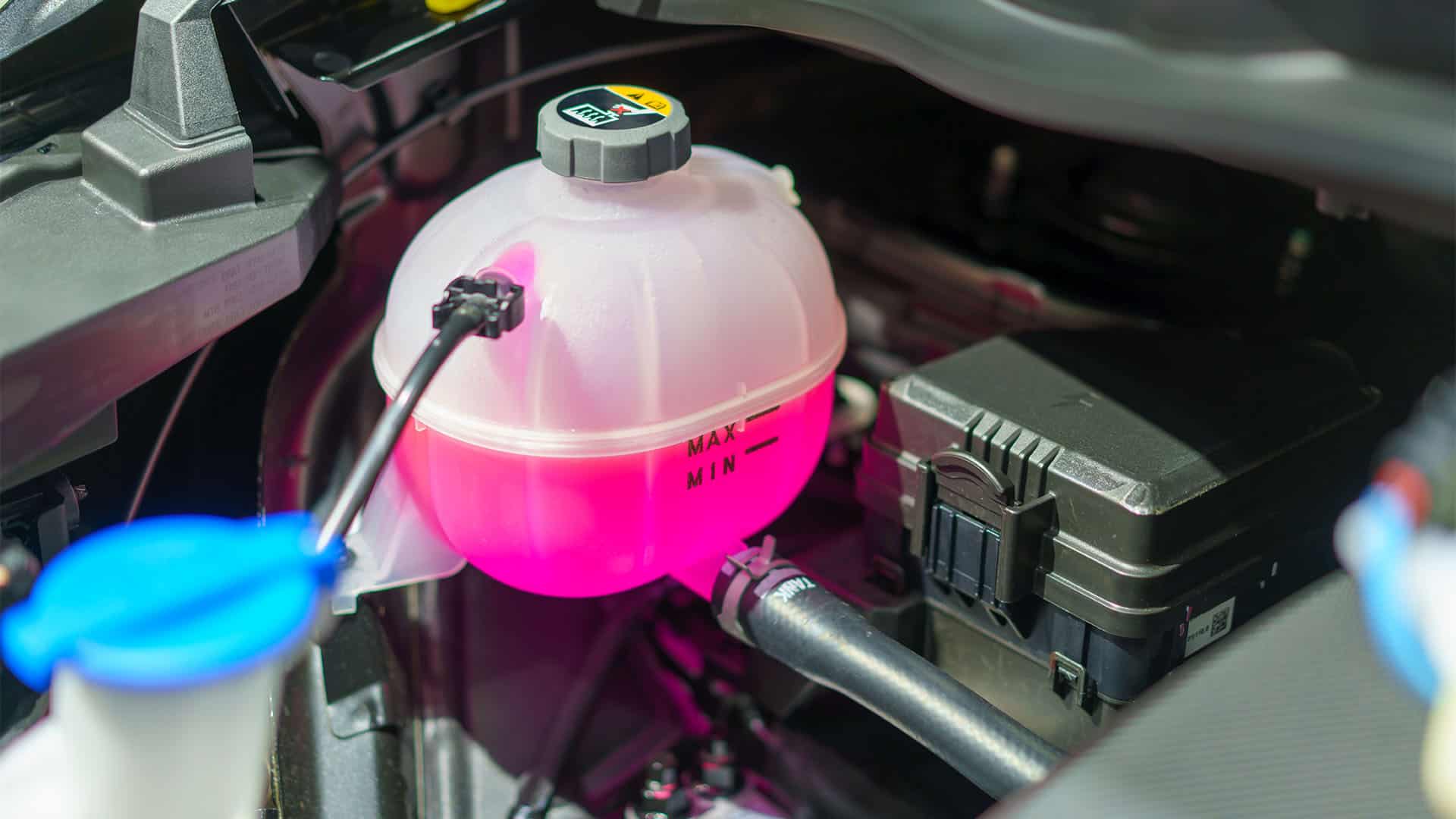
What it’s for: Regulates engine temperature and prevents overheating. Coolant is essential because it helps your engine maintain the right temperature under all driving conditions. Without it, your engine can overheat. A low coolant level can lead to serious, expensive damage, such as warped cylinder heads or cracked engine blocks.
What it looks like: Typically bright green, pink, or orange, depending on the type. It should be clear, not cloudy or rusty.
How to check it: Look at the reservoir tank. It should have “min” and “max” lines. Only open the radiator cap when the engine is completely cool. The liquid must be clear, not cloudy, with a smooth liquid texture and not thick, sludgy, or oily.
When to change it: Typically every 2–5 years, depending on your vehicle and the coolant type. Please refer to your manual or contact your dealership for specific details.
You will find coolant in EVs, too. Coolant liquid is not only used by petrol engines. Your AC also uses the same liquid, and electric cars use it to cool and heat the battery pack. If the coolant is overheated and you get a dashboard warning light, never attempt to open the reservoir tank. The liquid is super hot, and due to the high pressure in the system, it can easily burn you.
Brake fluid
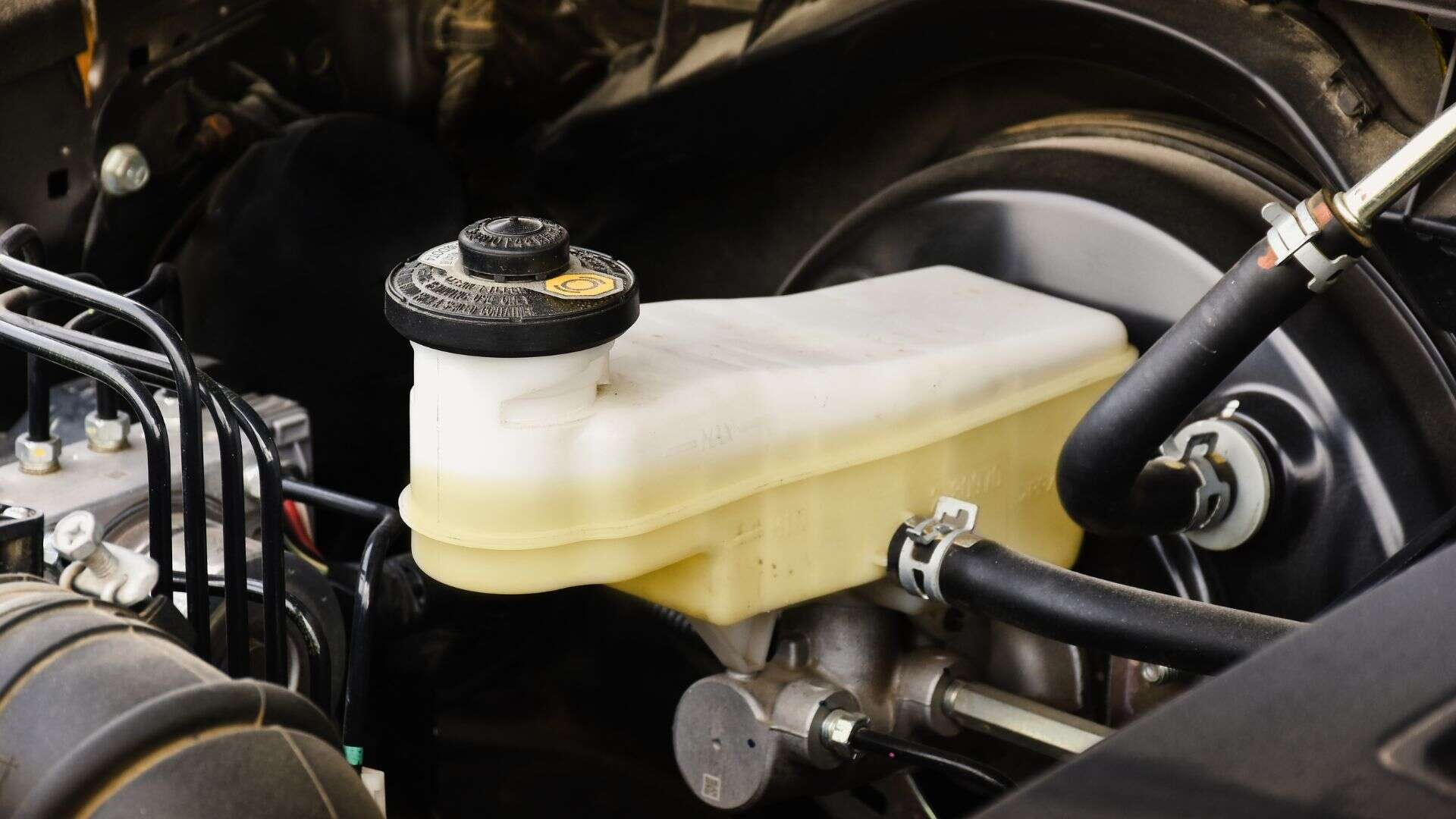
What it’s for: It transfers force from your foot to the brakes.
What it looks like: Clear to light yellow when new and turns dark brown or black as it ages.
How to check it: The brake fluid reservoir is usually near the back of the engine bay. It has high/low marks. Fluid should be near the top but not overflowing. If you notice that your brake pedal feels soft or spongy when you press it, that can be a sign that the fluid is old or contaminated, or that there’s air or moisture in the system. In that case, it’s time to flush and replace the fluid and possibly have the brake system inspected.
When to change it: Every 2–3 years or when the fluid looks dark or dirty. If it’s low, there could be a leak, and in this case, check with a professional ASAP.
Brakes are the most important safety feature of your car, and having a well-functioning system is a must. If your brake system makes unusual sounds or behaves in an unusual way, contact a professional immediately. Most types are glycol-ether-based and marked as DOT 3, 4, 5.1, while DOT 5 is silicone-based. Your car’s owner’s manual must clearly state which type to use.
Transmission fluid
What it’s for: It keeps the transmission lubricated and ensures smooth gear shifts.
What it looks like: Typically red or pink. If it’s not clear or smells burned, change it as soon as possible.
How to check it: Some cars have a transmission dipstick like the engine oil. Others require checking underneath or at a service port. Always follow your manual.
When to change it: Around every 30,000 to 60,000 miles, depending on the car and driving conditions.
Some modern transmissions are labeled as “lifetime fill,” but fluid level checks are still important. Because transmission repairs are often expensive, regularly inspecting fluid condition and following the recommended maintenance schedule is essential for long-term reliability.
Power steering fluid
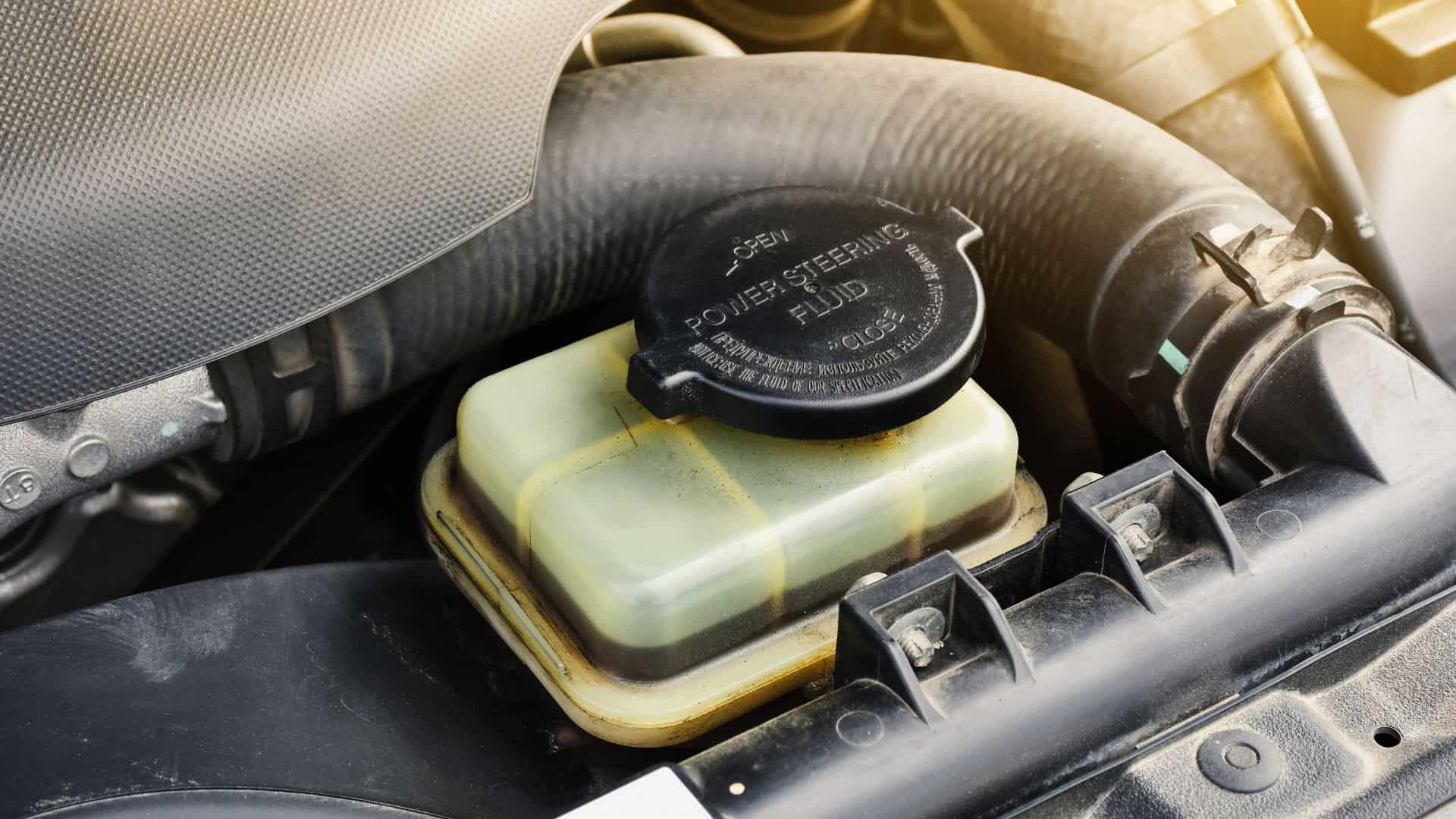
What it’s for: It makes turning the steering wheel easier. Power steering fluid enables the hydraulic system in your steering to function smoothly and efficiently, thereby reducing the effort required to turn the wheel. Without enough fluid, steering can become stiff, noisy, or jerky, making it harder to control your vehicle. Low or old power steering fluid can also damage the steering pump and other components, leading to costly repairs if left unchecked.
What it looks like: Usually clear, amber, or pink. It should not look dark or foamy.
How to check it: Look for the reservoir labeled “Power Steering” and it will have level marks. Many newer cars have electric power steering and don’t use fluid.
When to change it: Rarely needed unless it’s dirty or low. Check your owner’s manual for car-specific details.
Windshield washer fluid
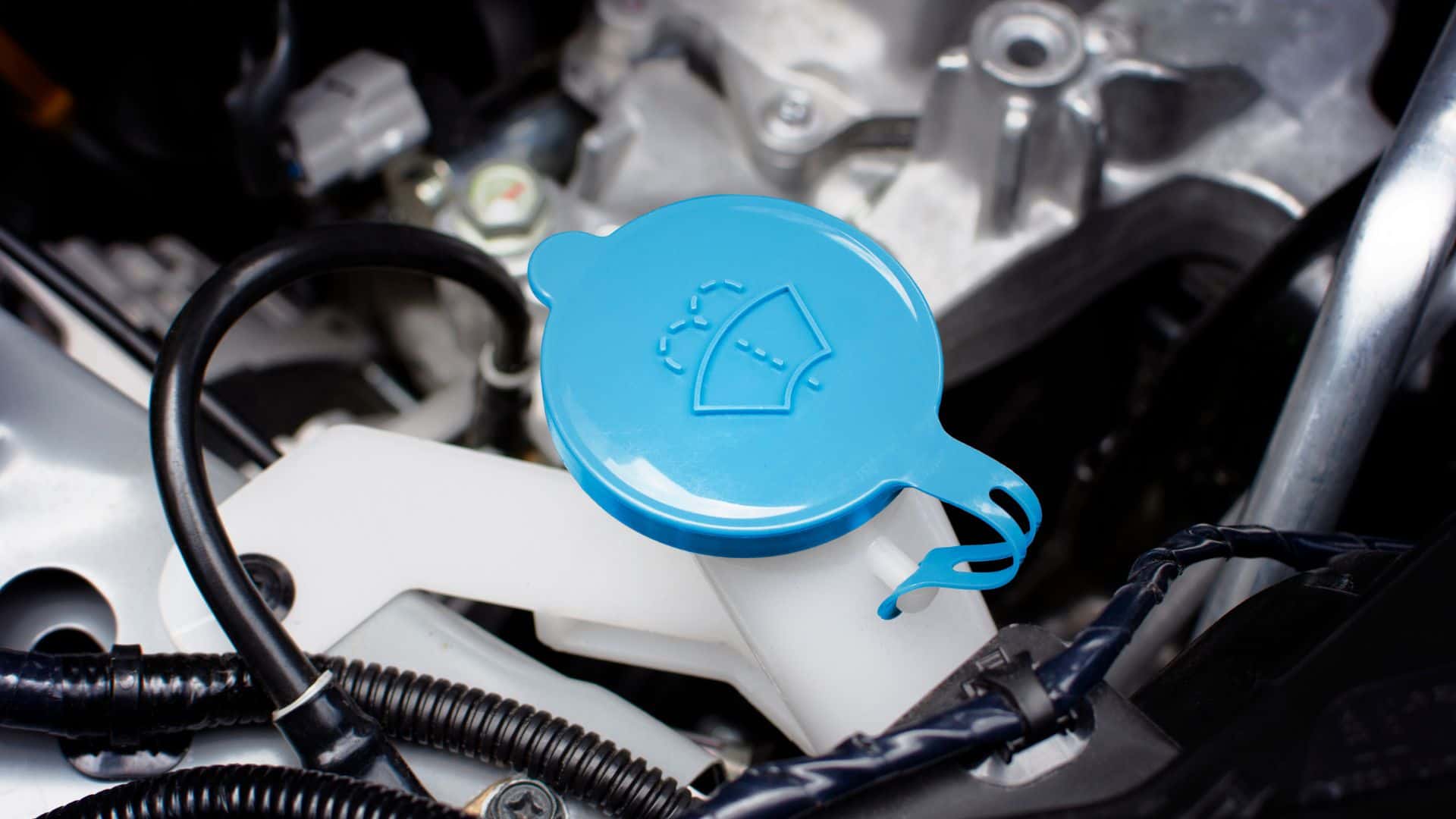
What it’s for: Keeps your windshield clean and improves visibility.
What it looks like: Blue or sometimes orange. It’s basically colored liquid with cleaning agents and antifreeze.
How to check it: Open the cap with the windshield symbol on it and look inside. Most reservoirs are transparent, allowing you to see the fluid level.
When to top it off: This one’s easy. Anytime it’s low, top it up. Use a winter-grade washer fluid if you live in a freezing climate.