
What to check before buying a used car—Complete buyer’s guide

What looks like a good deal at first glance can hide problems that show up only after the paperwork is signed.
Buying a used car involves inherent risks, yet it remains the most practical path to ownership for many Americans. But buying a used car is not easy. A significant challenge for buyers is the experience gap. While most people purchase only a few vehicles in their lifetime, dealers sell them daily. A car that appears well-maintained to an untrained eye can hide mechanical or structural issues. However, a used car purchase does not have to be a gamble. By following a structured inspection process and identifying key red flags, buyers can avoid the mistakes that cost the most.

Exterior condition
Start by talking to the seller before inspecting the car. Ask directly if the vehicle has ever been in an accident or undergone major body repairs. Many honest sellers will share this information openly if asked. It is possible to buy a five-year-old car with no previous accidents, but it is rare, so a firm denial should prompt a more careful inspection.
Walk around the car slowly and examine it from multiple angles. The paint color and finish should be consistent across all panels. Minor scratches, stone chips, and small cosmetic paint repairs are normal and usually not a concern, but mismatched paint, visible ripples, or uneven panel gaps can indicate past repairs.
Check that headlights and taillights match and are correctly aligned. Differences in fit or color may indicate prior damage. Inspect the door frames on both sides of the car, including the inner edges. The paint in these areas should be identical on both sides of the vehicle. Open and close every door, as well as the hood and trunk. All should operate smoothly and feel solid. If a door feels loose or misaligned, it needs further inspection.
Tires
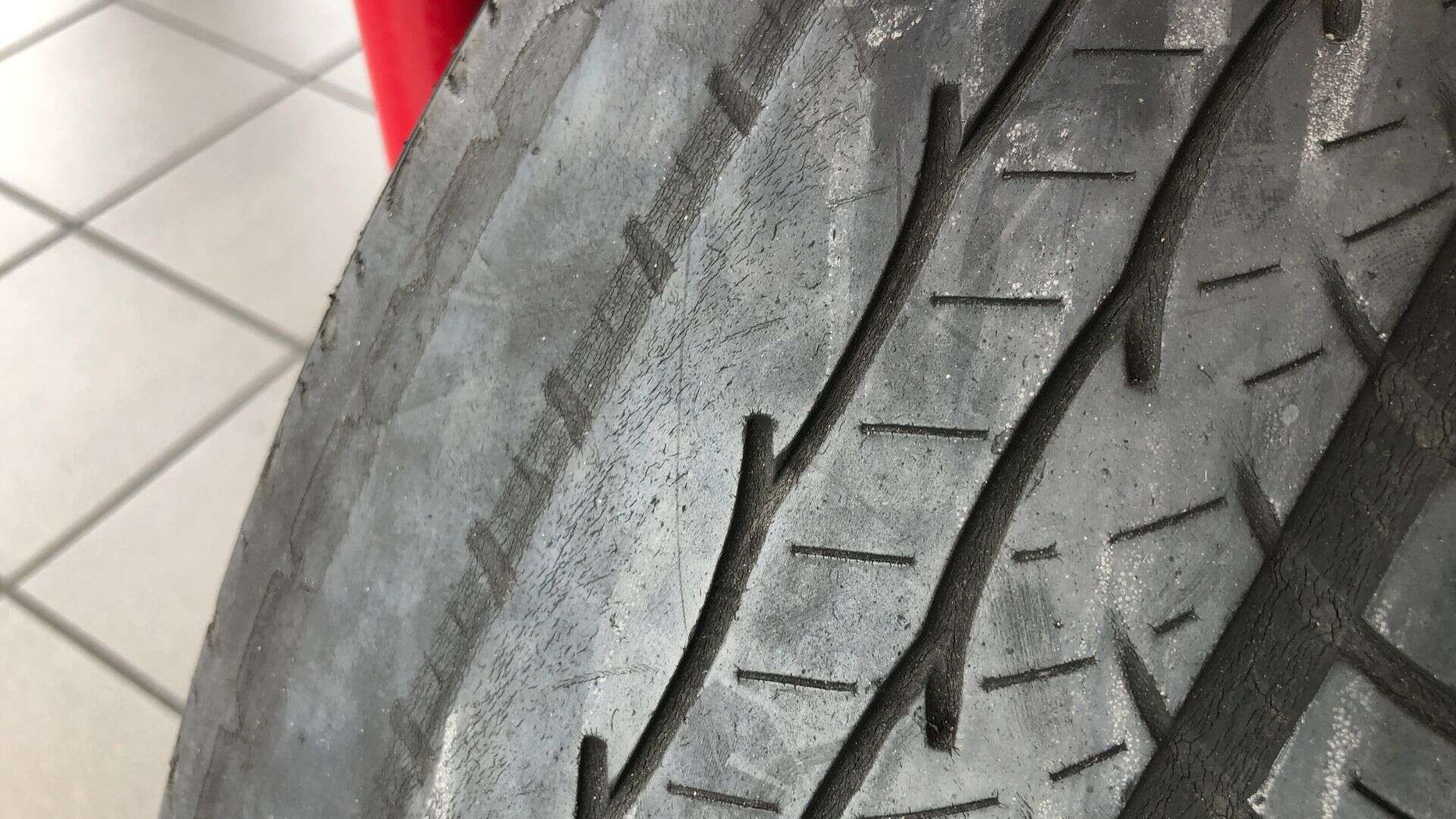
Tires can tell you a lot about how a car has been maintained. Check that all four tires match the brand and type, and inspect the tread depth closely. Anything below 2/32 of an inch is considered legally worn out in the U.S., and most experts recommend replacing them at 4/32 of an inch or less. Uneven wear patterns might point to alignment or suspension issues.
Don’t forget to check the tires’ age: even if the tread looks fine, rubber degrades over time. You can find the tire’s manufacture date in the DOT number on the sidewall. The last four digits represent the week and year (e.g., 2319 means the 23rd week of 2019). As a general rule, tires older than six years should be replaced, even if they appear unused.
Also, check the tire size and dimensions printed on the sidewall of each tire. Then look for the decal on the driver-side door frame, which lists the manufacturer’s recommended tire size for the vehicle. Ideally, these should match. If they do not, it is not necessarily a deal breaker, but it can mean the car handles, rides, or brakes differently than intended.
Check fluid quality
You don’t need to be a mechanic to check the fluids, but you can still do some basic checks. Just pull out the dipsticks and take a quick look. Engine oil should be amber to dark brown, not thick, black, or gritty. Transmission fluid typically appears pink or red, and if it has a burnt odor, that’s a bad sign.
Coolant should be bright and clean, not murky or filled with floating stuff. Brake fluid should be light in color, almost clear, and not dark or dirty. And if the car has power steering fluid, make sure it’s topped up and doesn’t look like sludge. A few minutes checking these can save you from big problems later.
Undercarriage
Take a moment to crouch down and inspect the underside of the car. It’s often where hidden problems live. Inspect the frame, suspension parts, and edges for signs of rust. Surface rust can be typical, but heavy flaking or holes are serious red flags. Check for oil or fluid leaks, especially around the bottom of the engine and transmission. Look at the exhaust pipe too. Make sure it’s solid and not rusted through, and don’t forget to check the brake lines. They should be clean and intact, not rusty or wet. I’ve seen cars that looked nearly perfect on the outside but were badly rotted underneath just from sitting too long or being driven on salty winter roads.
Brakes
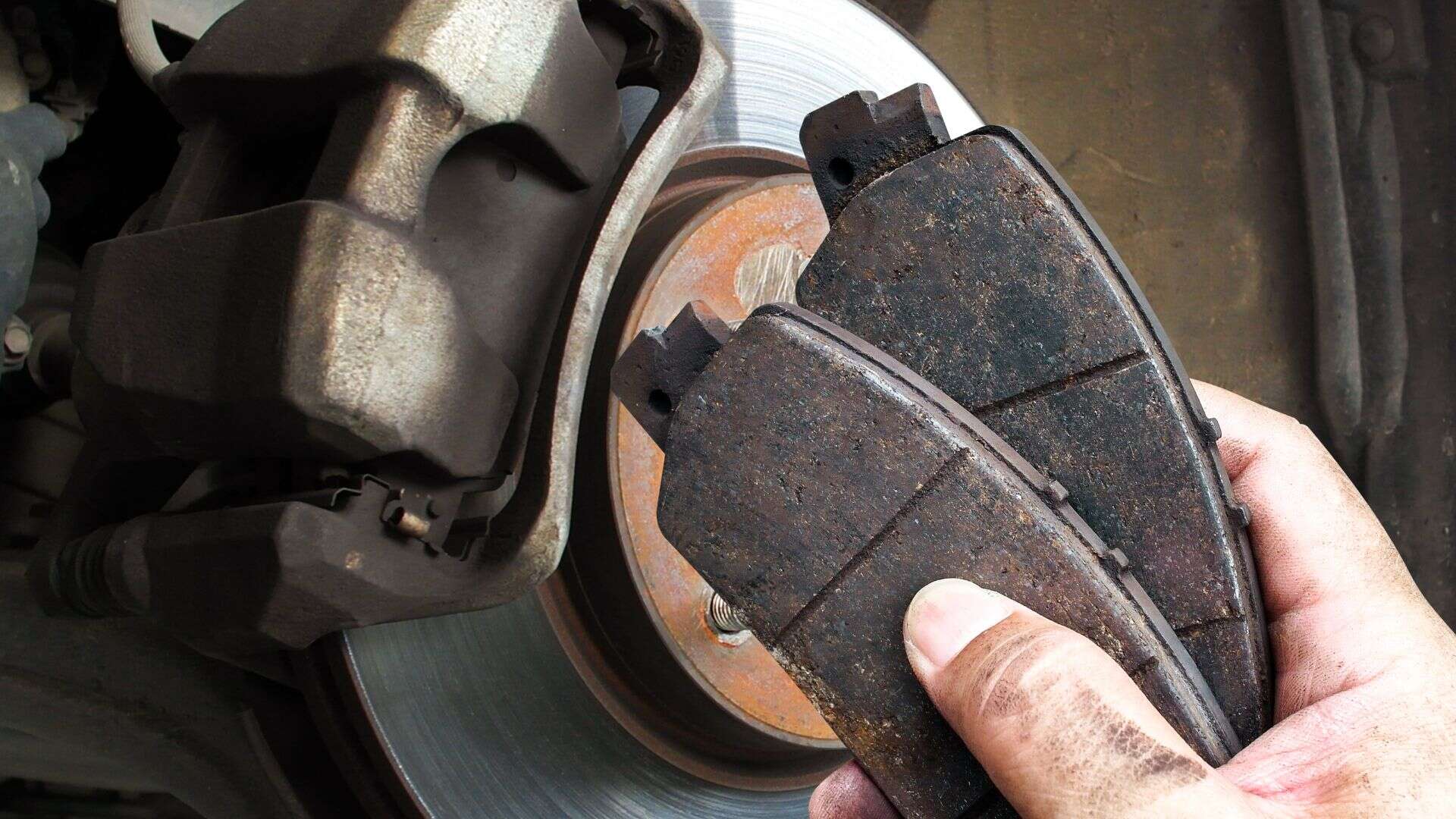
Brakes are the most important safety feature on any car, so give them your full attention. Take a look at the wheels and check the brake rotors. Light surface rust is normal, especially if the car hasn’t been driven recently, but deep grooves or uneven wear can be a sign of trouble. Look at the edge of the rotor, too. A raised lip may indicate worn brakes. On your test drive, press the brake pedal firmly. If it feels soft, sinks too much, or you have to push it more than once to get a response, that’s a red flag. Listen carefully for any grinding, squeaking, or strange noises, and notice if the car pulls to one side when braking.
Interior condition
Take your time looking over the interior, not just for comfort but for clues about how the car was treated. Check the seats for rips, stains, or burn marks, and make sure all the adjustments work properly. Look closely at the carpets, especially under the floor mats, for water stains or signs of mold, which could mean past flooding. Give the car a sniff too. Strong smells like mildew, smoke, or heavy air freshener might be trying to cover something up. Check the condition of the headliner, dashboard, and door panels. A clean, well-kept interior usually means the previous owner cared about the car.
Lights and electronics
This is one of those things that’s easy to overlook, but I always take a few extra minutes to test every button and switch. Turn on the headlights, brake lights, indicators, and hazard lights to make sure they all work properly. Try the interior lights too. It’s a small thing, but it tells you a lot about how the car was maintained.
Always check the A/C and heater, even in nice weather, because repairs can get expensive if something’s off. If the seller says the A/C only needs a refill, then ask him to do it. It’s a cheap and quick fix and can reveal an A/C compressor issue. Roll the windows up and down, test the radio, adjust the mirrors, and try out any seat heaters or other features. If anything doesn’t respond right away or seems flaky, it’s worth asking why.
Dashboard warning lights
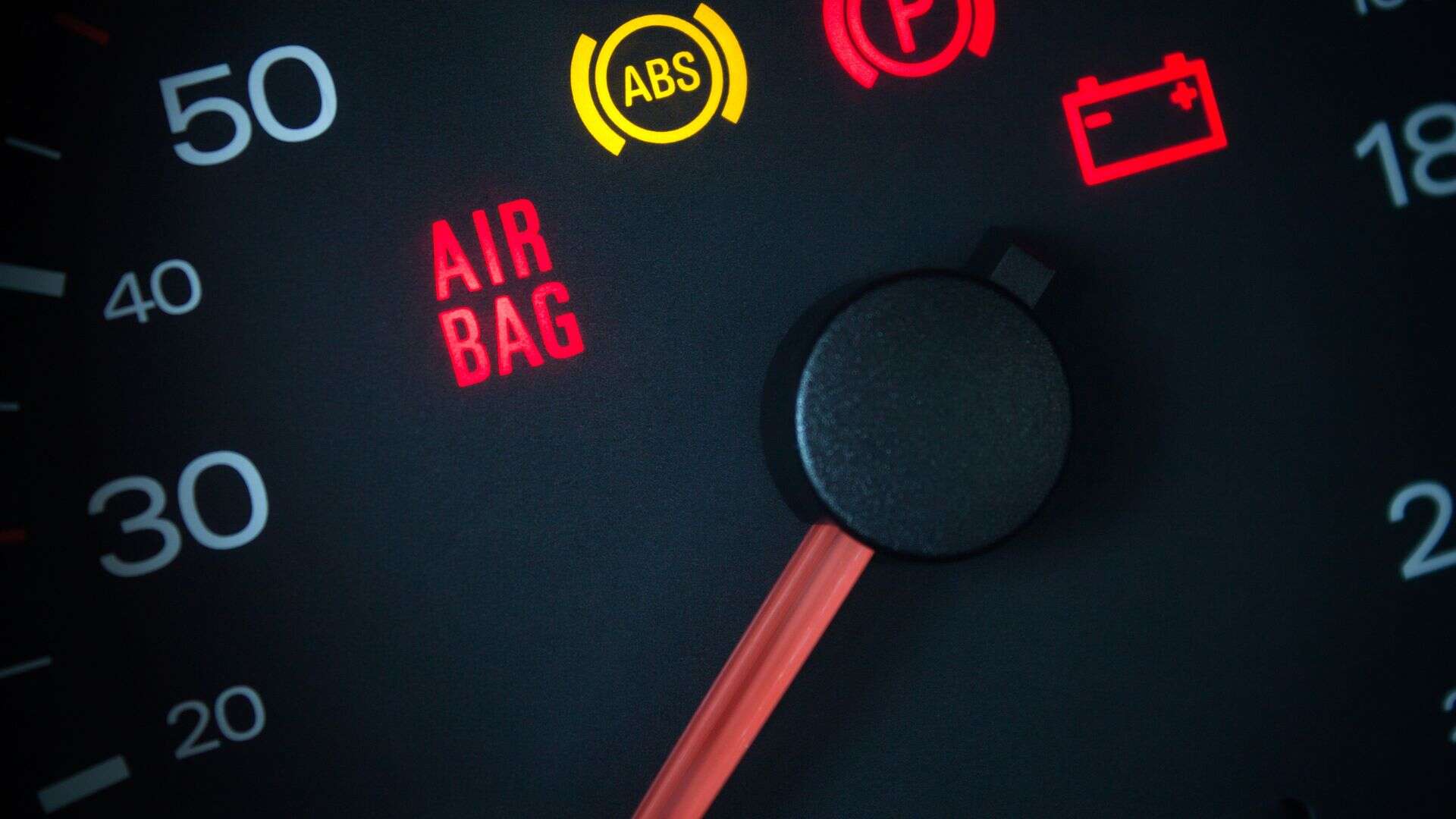
When you start the car, watch the dashboard closely. All the warning lights should come on for a moment, then turn off once the engine is running. That’s how you know the system is working properly. If any lights stay on, like the check engine, ABS, airbag, tire pressure, oil, or battery light, it usually means there’s a problem that needs attention. Always take a second to make sure the dashboard itself is working, and nothing looks tampered with. Believe it or not, some shady sellers have been known to cover warning lights with tape or dark stickers to hide them. Trust your eyes, and if anything looks dim or odd, don’t ignore it.
VIN number
Always check the VIN. It’s the car’s ID, and it can tell you more than the seller ever will. You’ll usually find it in a few places: on the dashboard by the windshield, inside the driver’s door jamb, and sometimes under the hood. Make sure all those numbers match exactly. If one looks scratched off, tampered with, or just doesn’t match the others, that’s a huge red flag and the best to walk away. Once you have the correct VIN, run it through Carfax or AutoCheck to see the full history. You can check accidents, previous owners, title issues, and much more. It only takes a few minutes and can save you from buying a car with a hidden past.
Check online forums
Before you even see a used car, always check online forums specific to that make and model. These forums are full of real owners sharing their experiences. They talk about what tends to break, which engine versions are better, and which model years to avoid. Sometimes, just one engine type is known for expensive problems, while the rest of the lineup is solid. You’d be surprised how much you can learn from people who’ve actually lived with the car. A little research up front can save you a lot of headaches later.
Test drive performance

Always try to start the test drive with a cold engine because it’s the best way to catch problems that don’t show up once the car’s warmed up. Pay close attention to how the engine starts: does it fire up smoothly, or does it struggle, shake, or make strange noises? Listen for rattles, knocks, or any unusual vibrations right from the beginning. Once driving, test how it accelerates, how the brakes respond, and how the steering feels. Everything should be smooth and stable. Also, keep an eye out for smoke from the exhaust or smells that shouldn’t be there. A good test drive tells you a lot if you’re paying attention.
Try another car
So you have to check every millimeter of the car. Service records and online reviews all look promising, and it is even the price tag is reasonable.
If you are a really serious buyer, don’t forget the following. Try to find another model and take it for a test drive, because it could be a game-changer. It’s the same model, the same year, and the same engine, but the car handles much better, accelerates more smoothly, and rides much more smoothly. Or, it is a complete disaster. Either way, this is the best way to confirm that the car you initially selected is as good as you thought. Just comparing two cars, you will start to notice how things should work on that model. Comparing cars gives you confidence and helps you spot what’s genuinely a good deal.