

Why your short 3-mile daily commute is secretly damaging your engine, and what to do about it

What looks like easy driving from the driver’s seat is the harshest condition your engine regularly faces.
Most people assume easy driving is kind to a car. Short distance, low speeds, no hard acceleration, it sounds like the most responsible way to use a vehicle. But the reality is quite different. A short commute driven the same way every day is, from the engine’s perspective, one of the worst use cases a gas-powered car can face.
When you start a cold engine, oil sits in the pan at the bottom of the engine block. The oil pump pulls it up and pushes it through narrow passages called galleries to reach the moving parts. This takes time, and for the first several seconds, the engine runs with minimal lubrication while the oil pressure builds and the film forms.
The problem with a 3-mile run is that the engine never recovers from that cold-start condition. By the time the oil has circulated properly and started approaching operating temperature, you are parking. Then you start again the next morning or in the afternoon.
The moisture problem nobody talks about
Cold operation creates a second issue that compounds the first. When a gasoline engine runs cold, combustion is less complete. Fuel partially washes down cylinder walls before it burns, diluting the oil in the crankcase. At full operating temperature — around 200 to 220 degrees Fahrenheit — the engine’s PCV system vents this contamination as vapor. On a short trip, the engine never gets hot enough to do that. The moisture and fuel dilution stay in the oil.
Frequent short trips cause moisture and fuel dilution to build up progressively in the oil, reducing its viscosity and its ability to protect engine components. Over months and years of short-trip driving, that contaminated oil does its damage, well before any warning light appears. The visual tell for older engines is a milky-white residue on the inside of the oil filler cap. That is condensation that never burned off. If you see it, your engine is not reaching operating temperature regularly enough.
If you drive a diesel with a DPF, the situation is worse
Diesel drivers with a diesel particulate filter (DPF, which is standard on diesel vehicles sold in the US since the mid-2000s) have an additional problem layered on top of everything above. The DPF traps soot from the exhaust. To clean itself, it needs to heat the soot to around 1,100 degrees Fahrenheit and burn it off. That process, called passive regeneration, occurs automatically when the exhaust system reaches sufficiently high temperatures during sustained driving.
Short trips prevent that from ever happening. Frequent short-distance driving is one of the most common causes of a clogged DPF, because the filter never gets hot enough to regenerate. Soot accumulates until the filter is blocked, at which point the engine management system throws a warning and eventually puts the car into limp mode, a severely restricted power state designed to protect the engine from further damage.
What you can actually do about it

The most effective fix is also the simplest: once a week, take your car on a proper highway run for at least 20 to 30 minutes. That is enough time to bring the engine fully up to operating temperature, burn off the moisture and fuel contamination in the oil, and, if you drive a diesel, trigger a passive DPF regeneration cycle. It does not need to be a trip for its own sake; combine it with something you would do anyway, a grocery run across town, a weekend errand that takes you onto the interstate.
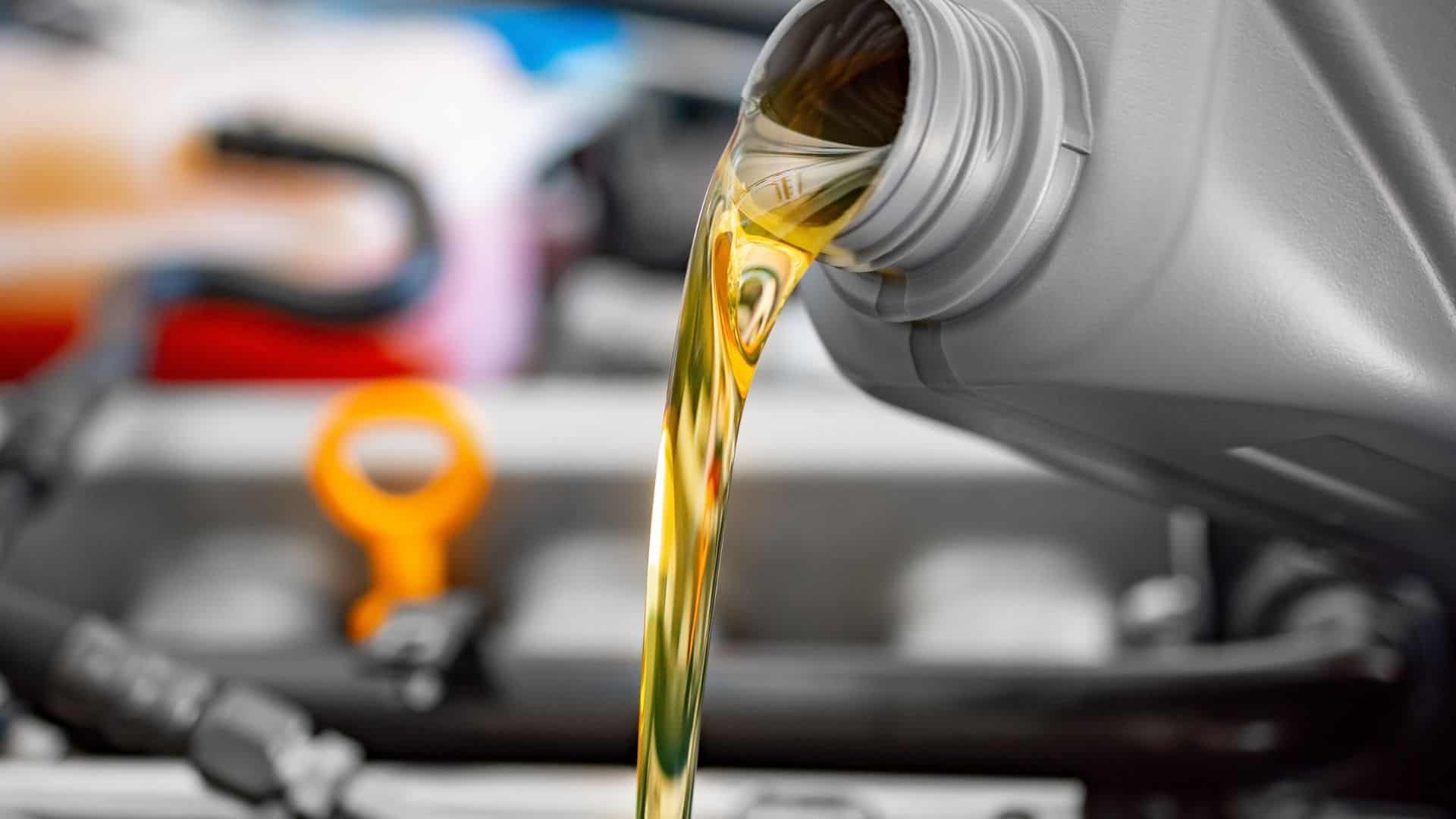
Beyond that, a few adjustments would improve the day-to-day situation. Switch to a full synthetic oil if you have not already. Synthetic oils like 0W-20 or 5W-30 are specifically engineered to flow quickly at low temperatures, reaching critical surfaces faster after a cold start than conventional oil does. The protection gap during that vulnerable startup window narrows considerably.
Shorten your oil change interval if short trips are your primary use. The oil in a short-trip car is doing harder work and accumulating contamination faster than the mileage figure suggests. If your manufacturer recommends 7,500 miles under normal conditions, check whether short-trip driving qualifies as severe service in your owner’s manual. For most manufacturers, it does, and the severe service interval is shorter.
Finally, do not idle the car to warm it up before driving. That is a habit left over from carbureted engines, and it does not help a modern fuel-injected car warm up any faster. The engine reaches operating temperature more quickly under a light load while driving than it does sitting still. Move gently for the first mile and let the driving do the warming.
The engine in your car was engineered for sustained use. A 3-mile loop, repeated daily, is the opposite of that. Understanding what it costs and spending 25 minutes on the highway once a week is a straightforward trade.