
The hidden safety risks behind the massive dashboard touchscreens car manufacturers are forcing on drivers
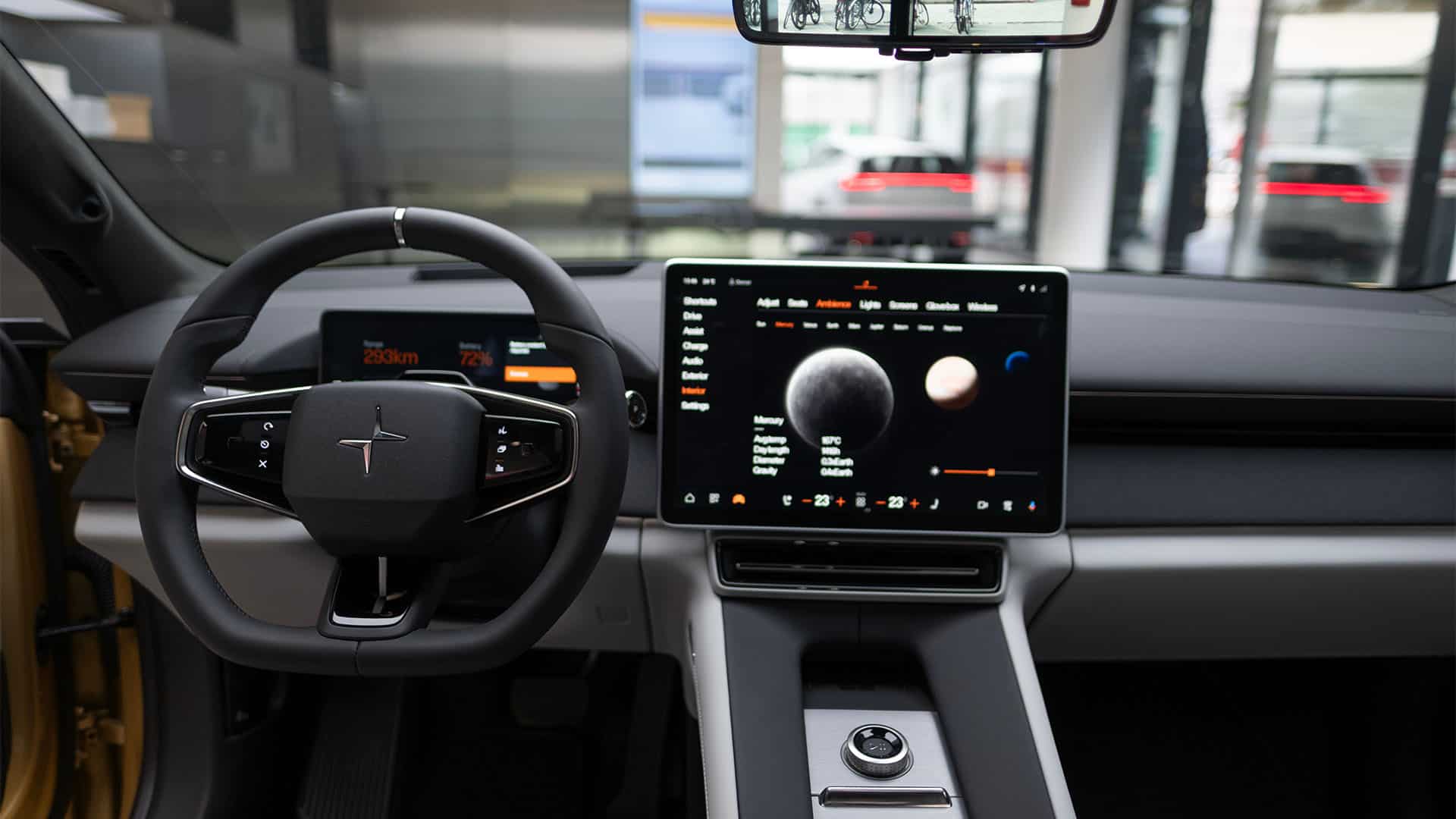
A sleek interior looks impressive in the showroom, but the problem isn’t obvious until you are already driving. I spent years working for car manufacturers, and the touchscreen takeover worries me more than anything else
Walk into any car showroom today, and the first thing you notice is the screen. A vast, glossy panel stretching across the dashboard, controlling everything from the climate to the navigation to the seat heating. It looks futuristic, and that is entirely the point. What car manufacturers are less eager to tell you is why that screen is there in the first place.
The answer is not innovation. It is cost. A single large touchscreen is significantly cheaper to produce and install than dozens of individual buttons, dials, and switches. It eliminates a complex wiring harness, reduces the number of physical components that need to be stocked and replaced under warranty, and allows manufacturers to push feature updates through software rather than hardware revisions. One screen, one supplier, one part number. From a production standpoint, it is an obvious decision. From a safety standpoint, it is much harder to make the case.
A simple task can distract you longer than you think
Adjusting the fan speed or switching from heated seats to a heated steering wheel used to take a single button press, done entirely by feel, without a glance away from traffic. When those same functions are buried inside a touchscreen menu, the driver must look at the screen, navigate to the right sub-menu, tap the correct icon, and then verify the result. This sequence takes significantly more time and attention than most drivers realize.
Research from the AAA Foundation for Traffic Safety found that drivers using touchscreen-based infotainment systems were visually and mentally distracted for over 40 seconds while completing tasks such as programming navigation. At 25 miles per hour, that is the equivalent of traveling four football fields with your attention off the road. The same research found that taking your eyes off the road for just 2 seconds doubles the risk of a crash.
The Volvo EX30 is a recent, well-documented example of how far this problem has gone. The car has almost no physical controls, and owners shared real-life experiences of how disappointed they are with the vehicle’s control. One poster said,” The screen in the middle and no more physical controls is obviously distracting.”
A touchscreen gives you no feedback until you look at it
A physical knob or button communicates through your fingertips. You can feel when your hand is on it, feel the resistance as you turn it, and hear the click when a setting changes. You never need to confirm any of that visually. A touchscreen offers none of this. It is a flat, featureless glass surface that responds only when you look at it, tap it, and verify the result on screen.
Euro NCAP’s director of strategic development, Matthew Avery, put it plainly: there is an inherent lag with touchscreens and no haptic feedback to confirm a command was received, which prompts drivers to give the screen even more attention to check whether their input registered. Glare, reflections, and direct sunlight compound the problem further. In the conditions where you most need your eyes on the road — rain, motorway traffic, low sun — the screen becomes harder to read and demands more focus, not less.

Software can freeze
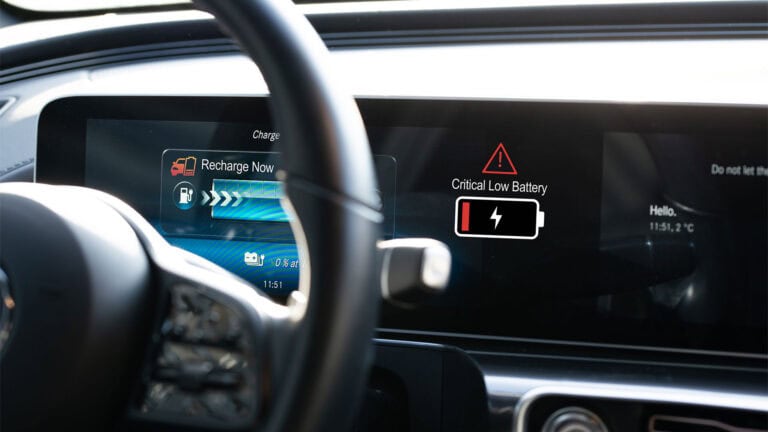
Physical controls are mechanical. They fail occasionally, but they fail in predictable, simple ways. A touchscreen relies on software, a processor, and a power supply, any of which can behave unexpectedly at any moment. The consequences of that failure in a moving vehicle are not minor.
A few years ago, US safety regulators at the NHTSA requested a recall of 158,000 Tesla vehicles after their touchscreen displays began failing, disabling the backup camera, windshield defogging controls, and turn-signal audible alerts.
Regulators are starting to push back
The automotive safety establishment has begun drawing a line. Euro NCAP announced that from January 2026, any vehicle seeking a five-star safety rating must provide physical controls for five critical functions: the horn, indicators, hazard warning lights, windshield wipers, and emergency SOS. Cars that rely entirely on a touchscreen for these functions will receive a lower rating. The Volvo EX30, which currently holds five stars under the existing criteria, is among the models that would face penalties under the new protocol.
Some manufacturers are already making changes. Honda has made a deliberate return to physical climate and audio controls in the current Civic and CR-V. Toyota’s Camry similarly maintains a conventional button layout for core functions. The lesson from both is the same: a well-placed dial does not make a car feel outdated. It makes it safer to use at speed.
The screen itself is not the problem. Navigation, media, and vehicle settings work perfectly well on a display when the car is stationary or when voice control handles the input. The problem is what happens when the task is urgent, the conditions are poor, and the driver needs to change something without looking away from the road. In that moment, no amount of screen size makes up for the absence of a button your fingers already know how to find.