
What is the “Pints and Ponytails” movement, and how is it redefining modern fatherhood
A viral dad trend is flipping masculinity on its head, and it’s catching attention far beyond parenting circles.
The movement is charming, wildly relatable, and it’s getting attention far beyond just parenting circles. It’s caused a widespread conversation about what modern masculinity looks like and why being a “good dad” is no longer about distance or dominance but showing up emotionally and practically in ways that many men haven’t been encouraged to before.
The story
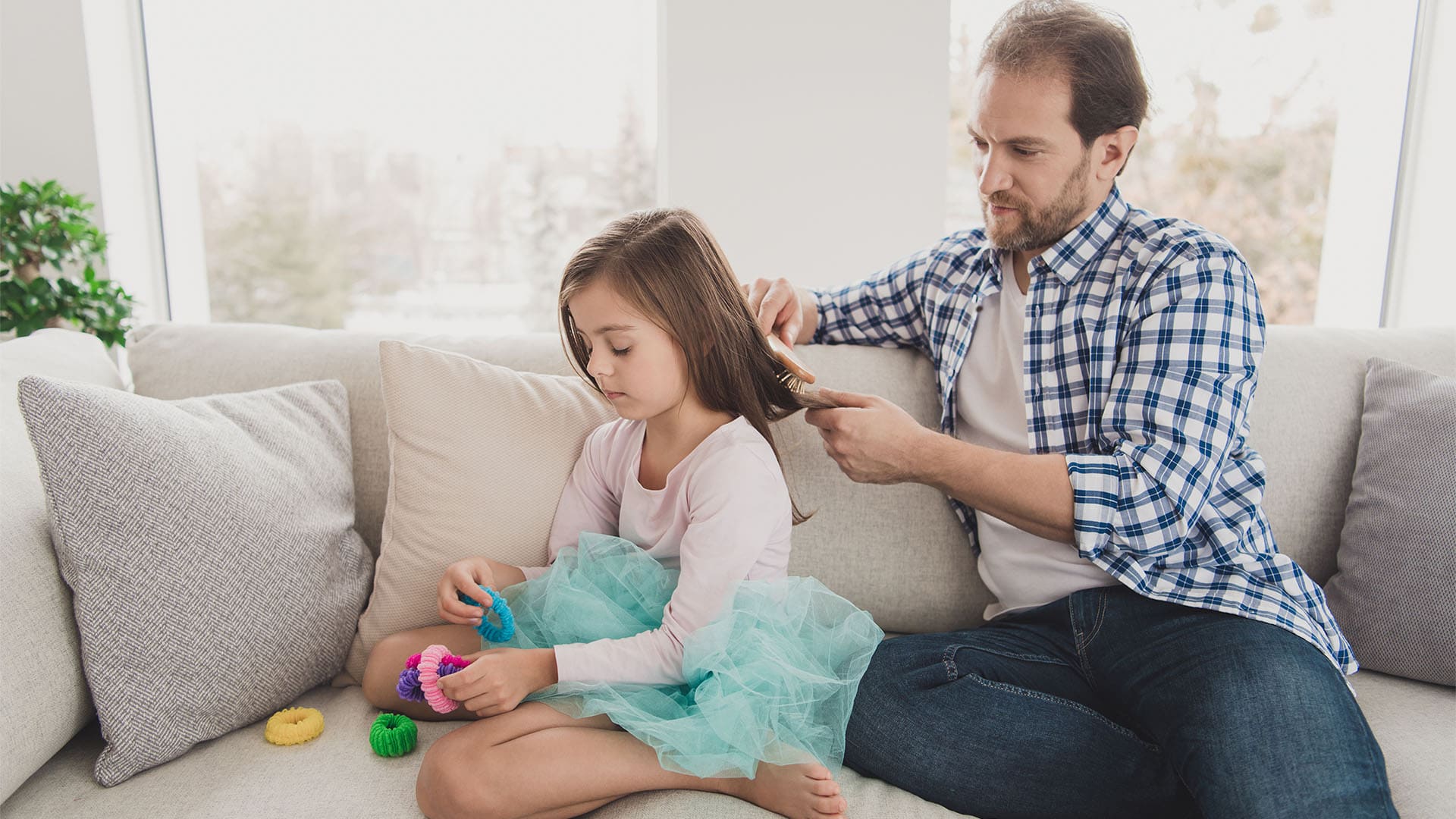
“Pints and Ponytails” started as an innocent idea to get a group of dads together in a relaxed setting and teach them how to do their daughters’ hair with no pressure or judgment. The events, organized by fatherhood communities like The Secret Life of Dads, have quickly gained traction online after clips showed dozens of fathers showing up solo, then bonding over the shared goal of being more present, capable parents.
Recently, parts of the internet have been dominated by the so-called “manosphere”, and so this trend feels like a direct counterpoint. Instead of telling men to be more dominant, these dads are learning patience. Instead of distancing themselves emotionally, they’re learning to come closer. Instead of competing, they’re connecting.
There’s also something disarming about the setting. It’s not a parenting class in a sterile room, just a pub. The same environment traditionally associated with “guy time” is being repurposed into something more open and vulnerable. Organizers have even said the bigger impact isn’t the hairstyles but the conversations that happen in between. That mix of familiar setting and unexpected behavior makes the whole thing extremely likable.
A different kind of male role model
“Pints and Ponytails” fits right into a bigger dynamic shift that’s been building for a while now. The old model of masculinity, such as distant, emotionally shut down, isn’t disappearing overnight, but it’s being challenged in very visible ways.
And increasingly, that challenge is coming from regular guys doing everyday things differently. What makes this movement stand out is that it doesn’t feel performative. There’s no big speech or “redefining masculinity” tagline plastered on it. It’s just dads showing up and trying to get better at something that matters to their kids. That authenticity is why it’s resonating.
It also taps into a growing expectation around fatherhood. Being a “good dad” today is as much about participating as it is providing. School runs, bedtime routines, emotional support, and, yes, learning how to do a halfway-decent braid before school. And when moments like this go viral, they reset what people see as normal. Ten years ago, a room full of dads learning hair styling might’ve been treated like a novelty. Now it’s being framed as something aspirational.
What’s also worth noting is how low-key this shift is. There’s no rebrand or manifesto, but small, visible actions that speak louder than any think piece ever could. These dads don’t want recognition. They’re just showing up differently, and that authenticity is exactly what makes people want to pay attention.
Why this matters
The manosphere and traditional cultural expectations told men to focus on success and emotional restraint. What makes this trend resonate is that it challenges all of that. By showing vulnerability and a willingness to learn, these dads are modeling a different kind of strength that values connection over ego and presence over perfection.
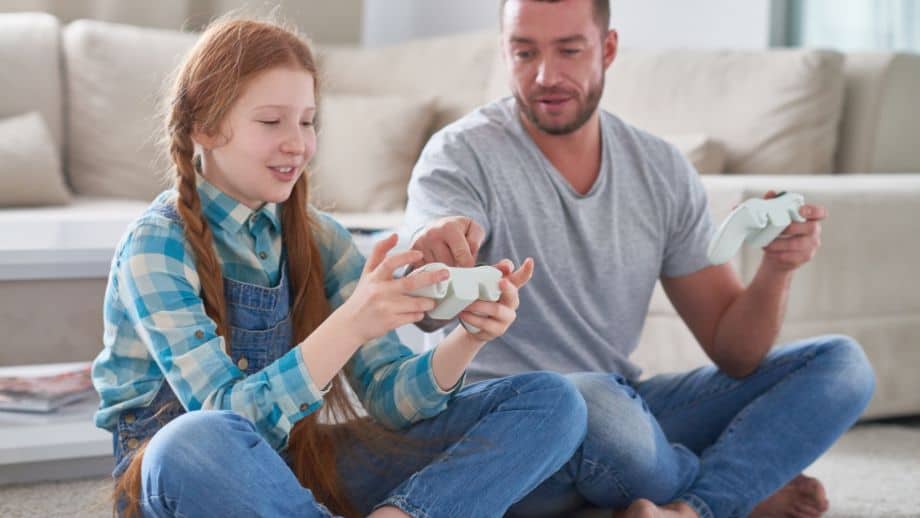
And beyond parenting, this is important because it signals that the cultural definition of masculinity is evolving in tangible, accessible ways. It’s not about celebrity endorsements or grand public gestures but regular men embracing roles that previous generations may have dismissed as unmanly. Every shared video of dads practicing braids subtly shifts expectations for what it means to be a father and a man in 2026.
Rigid gender norms still influence behavior, so seeing fathers step into roles that prioritize emotional availability is both refreshing and necessary. The “Pints and Ponytails” trend shows that today’s dads are building a more inclusive vision for the dads of tomorrow.