
What is the Gen Z analog economy, and why young men are ditching digital for tangible experiences

From film cameras to vinyl records, a growing number of Gen Z men are trading screens for real-world experiences and reshaping modern consumption in the process.
For a generation raised on smartphones and algorithm-driven feeds, stepping away from the digital world might seem unlikely, but a shift is underway. Across cities and small towns, Gen Z is rediscovering the appeal of physical, hands-on experiences, choosing objects they can hold, spaces they can inhabit, and moments that aren’t filtered through a screen. They’re calling 2026 “the year of the analog.” It’s not nostalgia for a time they never lived through, but something more intentional.
The analog economy
The “analog economy” appears to be a total change in lifestyle, not just the economy. It shows up in small, telling choices like buying a film camera instead of upgrading a phone lens, collecting vinyl instead of streaming playlists, reading physical books instead of scrolling summaries, or spending weekends fixing cars, cooking, or lifting weights rather than gaming for hours.
Digital life is designed to be seamless, fast, and endlessly optimized. Analog experiences, by contrast, require patience. You have to load the film, flip the record, turn the page, show up in person, which is becoming the point. For many, it’s tied to a growing dissatisfaction with how online life feels. Social platforms reward performance over authenticity. Work increasingly happens behind screens. Even socializing can feel transactional. The result is a sense of detachment, like life is being observed rather than lived.
Analog activities offer clear inputs and outputs. You build, fix, or improve something. There’s a visible result, and that’s starting to matter in a culture where progress feels abstract. There’s also a status element, but it looks different from traditional flex culture. Instead of showing off luxury, the analog trend leans into taste and intentionality. Owning a well-used leather notebook or a curated record collection signals identity in a quieter way and suggests you’ve opted out of the default.
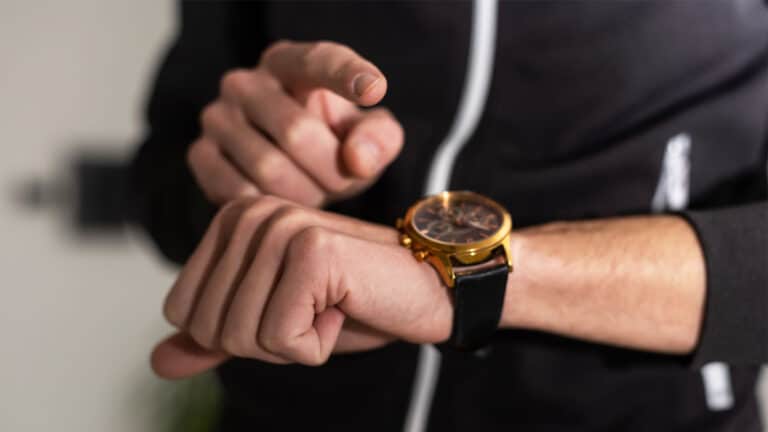
The pandemic accelerated this shift. Digital fatigue has been at an all-time high, and with fewer places to go, many people turned to tactile hobbies out of necessity. Importantly, this represents exerting boundaries. Many of these same people still use digital tools, but more selectively. It’s more about anti-overconsumption than it is about boycotting technology altogether. If you’re leaning into this shift toward more intentional, offline living yourself, even something as simple as an analog bag can help you carry the essentials that keep you grounded in real-world routines.
A reaction to over-optimization
To understand why this trend is gaining traction, it is better to look at the broader environment Gen Z has grown up in. Nearly every aspect of life has been optimized for efficiency, from dating apps that streamline relationships to entertainment that is available instantly, in infinite supply. But convenience has a trade-off. When everything is easy, it can start to feel disposable. Experiences blur together, and nothing demands your full attention.
The analog shift is, in many ways, a reaction to that. It reintroduces limits. A vinyl record forces you to listen to an album as a whole. A film camera gives you a finite number of shots. A gym session requires physical effort that can’t be skipped or sped up. There’s also a mental health component. Constant comparison, information overload, and the pressure to always be “on” take a toll. Analog activities offer a form of relief as a grounding mechanism.
For young men navigating identity and independence, these experiences can feel incredibly valuable. They provide structure without being prescriptive. You don’t need an audience to validate them, and the reward is built into the process. Brands and businesses are starting to notice the change. Independent bookstores, specialty coffee shops, record stores, and hobby-based communities are seeing renewed interest.
Why this matters
This is a generation growing up in a world where every style, habit, and belief can become a trend. But what we’re seeing here is a bigger change in how real value is defined. For years, digital culture pushed speed and visibility as the ultimate goals. The analog movement suggests a counterweight to that point with depth, presence, and ownership of experience. For industries, it’s a reminder that not everything can or should be digitalised. Products that engage the senses, require participation, or create lasting memories are gaining in appeal.
For young men, it highlights a search for something more stable and grounded. Not everything meaningful needs to be optimized or shared, some of it just needs to be lived. The analog economy represents a generation of consumers choosing, more carefully, what deserves your attention in a world that’s constantly trying to capture and sell it.