
‘Louis Theroux: Inside the Manosphere’: 10 most shocking moments from the Netflix documentary

These influencers have built a business on ideas that are shaping how a generation of young men sees women and relationships.
Louis Theroux has spent decades walking into rooms most journalists wouldn’t dare enter. He has sat with neo-Nazis, spent time with Scientology followers, and interacted with members of the Westboro Baptist Church. He is well known for his quiet curiosity and a knack for making people feel comfortable enough to open up. So when Netflix handed him the subject of the manosphere, he was, arguably, the man for the job.
Released on March 11, 2026, Louis Theroux: Inside The Manosphere runs 91 minutes and follows influencers and podcasters HSTikkyTokky, Justin Waller, Sneako, and Amrou Fudl, men well known for their radical views on women and masculinity.
The “manosphere” is a term used to describe this online community, where discussions range from dating tips and fitness to money management and ideas about masculinity. Over the past decade, the movement has gained traction through podcasts, YouTube channels, and viral social media clips. As one of the results, no surprise that, according to a recent study, more than a third of Gen Z men say wives should obey their husbands.
The manosphere’s audience is mostly men, many of them teenagers, who genuinely love its content and follow it closely. While some influencers frame their content around dating advice or male self-improvement, many of these spaces promote misogyny, reinforce rigid gender roles, and normalize hostility toward women.
Within these communities, conversations often drift into more extreme territory. Misogynistic narratives portray women as manipulative or inferior, while racist and homophobic ideas sometimes surface alongside broader resentment toward modern social change and can quickly evolve into a worldview built on blame and conspiracy-like thinking about gender and power. Golden Globe winner Owen Cooper’s recent performance in “Adolescence” offers another important piece of insight into topics like online influence, unhealthy ideas of masculinity, and the delicate state of teenage mental health.
What we’ve seen as a theme is that in the manosphere, it is common to express personal opinions and misinformation with absolute confidence, framing them as undeniable facts—saying things like “that’s a fact”—which lends their rhetoric legitimacy and makes it easier for followers to accept and internalize these messages.
We must mention that, beyond the ideological impact, the manosphere has become a lucrative online ecosystem for its creators. Influencers monetize their content by building large followings, generating clicks, and selling subscriptions, merchandise, or exclusive access to private forums. Viral videos and controversial posts are not just attention-grabbing—they are profit engines. Many of these personalities leverage outrage and polarizing opinions to keep audiences engaged, turning anger, fear, and resentment into a sustainable income stream. Fans willingly pay monthly fees for “insider advice” or access to communities where they feel understood, highlighting how financial incentives can amplify and perpetuate harmful messaging.
The documentary is not a comfortable watch. Nor is it meant to be. Below are ten of many moments from the film that are impossible to shake.
1. Harrison Sullivan calls a female friend his “dishwasher.”

HSTikkyTokky, the 24-year-old British-based influencer whose real name is Harrison Sullivan, casually calls a female friend his “dishwasher.” He uses the term in a lighthearted way, as if it were completely normal, which, in his circle, it seems to be. This one word says more about the manosphere’s view of women than anything else, as if her entire existence in that space is defined by what she can do around the house.
2. Sullivan’s friend is asked what she likes about him, and she answers, “money”
Sullivan asks his “dishwasher” friend what her favorite thing about him is. Without hesitation, she answers: “Your money.” What makes this worth noting is that these men deliberately flaunt their wealth, cars, and cash, specifically to attract women. And then they turn around and tell their followers that women only go after men for financial gain, presenting it as a universal truth about female nature.
3. Sullivan says he would disown his own son if he were gay
Perhaps the most startling statement Sullivan makes is the declaration that he would disown his son if he turned out to be gay. He says it with the certainty of a man who has never seriously considered what it means to love a child unconditionally or how painful it would be for that child to hear those words from their father. Homophobia is nothing new in such online spaces, and when an influencer makes statements like this, it can have a significant impact on the millions of people who follow them.
4. Justin Waller claims women have contributed nothing to society
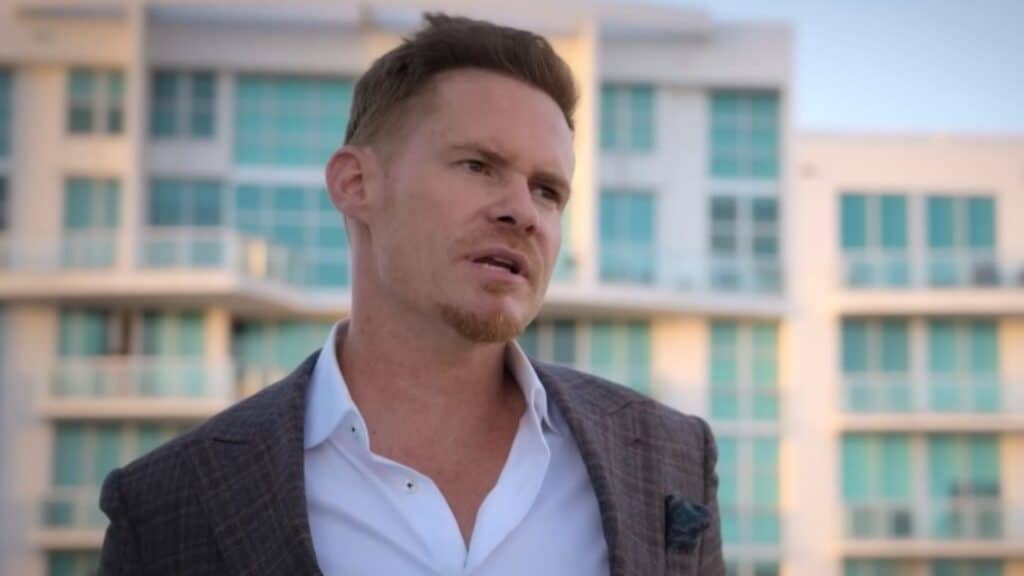
Justin Waller, a Louisiana-based entrepreneur and close associate of the Tate brothers, questions what women have contributed to society. This assertion is not only disrespectful to women but also overlooks the significant roles they have played throughout history. He further adds that women have not invented or built anything noteworthy, and that most women are primarily focused on finding husbands and starting families.
5. Waller explains “one-way monogamy” with a straight face
Waller talks about his relationship style, which he calls “one-way monogamy.” In his arrangement, he feels free to date other women, while his partner is not allowed to see anyone else. What’s even more surprising is that his girlfriend, with whom he shares two daughters, fully supports this. She makes a rather unusual claim that women actually like it when other women desire their partners.
6. Amrou Fudl: A man is a ‘dictator’ in a relationship
Podcaster Amrou Fudl, who goes by Myron Gaines online, believes that in a relationship, the man is the leader, the dominant one, and the dictator. In today’s society, where many women are still advocating for equal rights across many areas of life, these views can seem problematic. They imply that women don’t have the right to make their own choices, as men like Fudl suggest they should be in charge.
7. Amrou Fudl says he wishes to have multiple wives, in front of his girlfriend

Fudl openly shares, in front of his girlfriend, that he wants to have more than one wife. The camera catches her expression, and she doesn’t need to say anything because her reaction says it all. It’s surprising to see someone with a huge following casually talking about other women while his girlfriend is right there, assuming she would be fine with it. Angie, his girlfriend, doesn’t outright oppose the idea, but says she will see when it happens.
8. Sneako claims models posing with one eye covered is a secret symbol
Nicolas Kenn De Balinthazy, known as Sneako, talks about strange theories, confidently explaining that models who pose with one eye covered symbolize something. This is another side of the manosphere where some influencers push their followers into conspiracy thinking, implying that powerful people are somehow controlling or changing the world. Although no one has proven these ideas to be true, it’s concerning that such information is shared with his large online following.
9. Sneako tells Theroux that evil people control Sam Smith

Building on the same conspiratorial logic, Sneako claims that sinister forces are controlling Sam Smith, an English singer-songwriter. He uses Smith’s devil-themed award show performance as an example to support his claim. In his view, it all connects to something much bigger and much darker operating behind the entertainment industry.
10. Harrison Sullivan’s ideal wife has never dated anyone
Sullivan openly expresses his desire for an ideal future wife, the one who has never been in a relationship. At just 24 years old, he lives a very public life and often shows his intimiate interactions with women online. Yet he is setting a standard for women that he has never applied to himself. Shockingly, many fail to see through his double standards and still openly support him.
This documentary is just a glimpse of what the manosphere is currently feeding to millions of young men every single day. In just 91 minutes, Theroux barely scratches the surface, and that alone is enough to make you stop and think about these issues and how many young men are absorbing these ideas about women, relationships, and themselves without questioning any of it.
The documentary examines how these ideas spread and why they resonate with certain audiences. By sitting down with prominent voices in the manosphere and some of the young men who follow them, he explores the mix of insecurity, anger, and identity politics that fuels the movement. His calm interviewing style exposes contradictions while allowing viewers to see the human dynamics behind the rhetoric.