
Think before you post — social media habits that could put your home at risk

From vacation countdowns to real-time check-ins, these are the everyday social media habits that criminals are paying attention to.
Social media has turned everyday life into shareable moments. But in the wrong hands, they can reveal more than you intend. Posts that seem casual to friends can provide valuable clues to someone looking for an easy target: when you’re out of town, where you live, what valuables you own, and whether anyone is home. For people who pride themselves on being practical and want to protect their families, their homes, and the things they’ve worked hard for, it’s worth taking a closer look at how everyday social media habits could unintentionally put that security at risk.

Posting your vacation pictures in real time
There’s nothing wrong with wanting to show off a great trip, but the timing of posting your vacation photos is what you want to be aware of. When people post airport selfies or real-time photos from another city, they may be unintentionally announcing that their house is empty.
Some criminals specifically search social media for posts that indicate people are away from home. According to security experts, about 78% of burglars use social media to identify homes where residents are away by looking at location-enabled posts or vacation updates. A smarter approach is to post the photos after you get home. You still get to share the trip, but you’re not advertising that your house is sitting empty for the next week.
Broadcasting your location without realizing it
Most social platforms make it incredibly easy to broadcast your location unless you intentionally and manually turn it off yourself. Instagram has a recent update that now shows your live location and location of the people you follow.
If someone frequently posts from the same location, such as a neighborhood café, or gym, it doesn’t take much effort to piece together their routine. While many platforms automatically strip this data, not all do.
There are different ways to stop your phone from tracking your every move. You can turn off automatic geotagging in your phone’s camera settings and be mindful about location tags. Sharing where you went for dinner isn’t dangerous on its own, but patterns over time can paint a very detailed map of your life.
Showing off valuables online
Social media loves a good flex, it’s all part of the culture. But those posts can unintentionally create a catalog of the valuables inside your home. A clear photo of a high-end watch collection or a newly renovated entertainment room doesn’t just impress followers, it can also signal that expensive items are sitting inside a specific house.
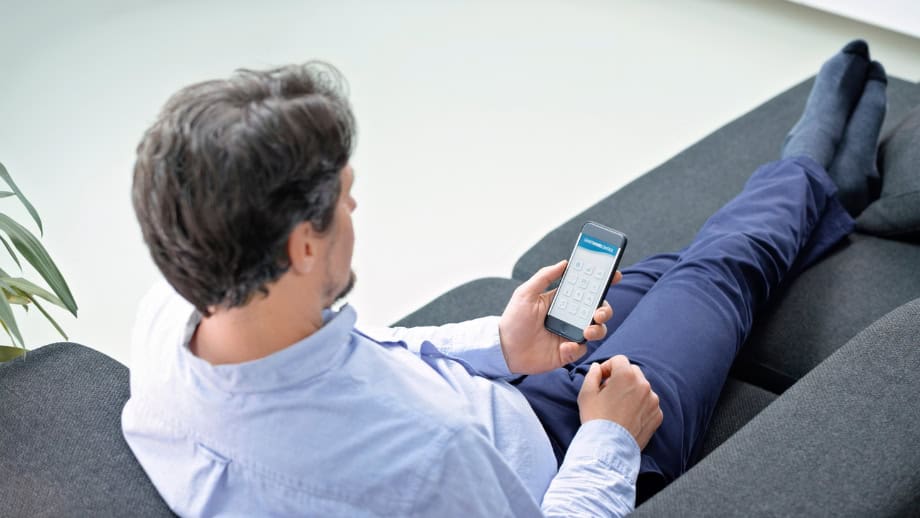
Burglars often target homes where they believe valuable items are present and easy to resell. It helps to think about context: is your account public? Does the background reveal identifiable details about your house? Are you pairing those posts with information about being away from home?
Revealing routines and daily patterns
One of the most overlooked risks isn’t a single post, but a pattern. People who post their routines all over social media tell the internet exactly when the house is empty during the day, or when you regularly travel for business. Someone looking closely could piece together that your house is empty every weekday from 8 a.m. to 6 p.m., or that you’re gone most Friday evenings. Mixing up posting times and avoiding real-time updates about daily routines can help reduce that digital trail. Sharing experiences is fine, but broadcasting predictable schedules is where things get riskier.
Public profiles make everything easier to see
A surprising number of people still have fully public social media accounts without realizing it. That means anyone, not just friends can scroll through years of photos, location tags, and personal updates. A public account can reveal where someone lives, who lives with them, what their house looks like, what valuables they own, and when they’re away. Not only that but sometimes they can see your
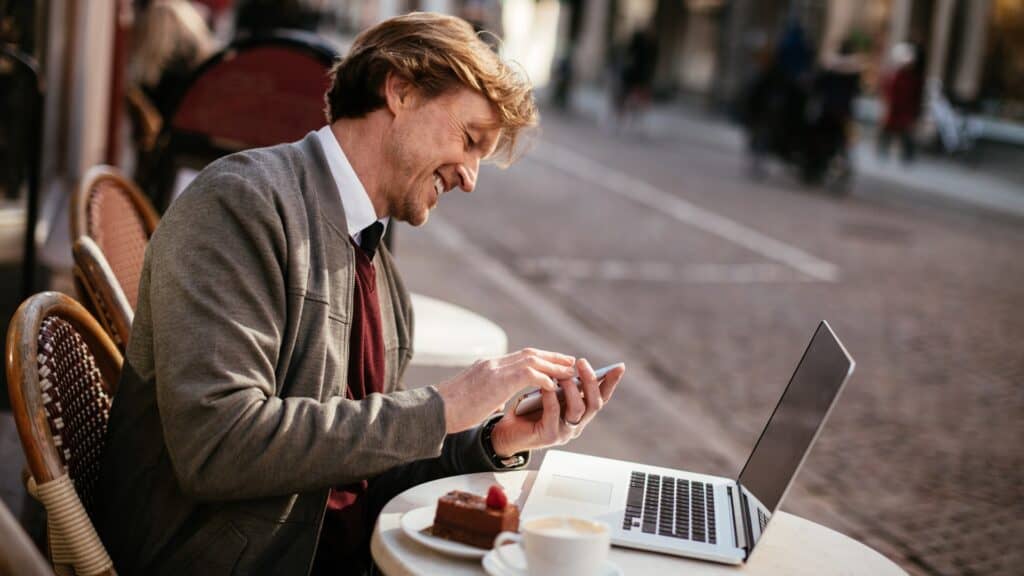
Reviewing privacy settings only takes a few minutes, but it can dramatically reduce who has access to that information. Limiting posts to friends, removing old location tags, and tightening follower approvals can all reduce unnecessary exposure.
Small digital habits that add real protection
It mostly comes down to small habits. Post vacation photos after you return. Limit location tags. Keep profiles private when possible. Be mindful about showing identifiable details of your home or expensive items. And occasionally review what a stranger could learn just by scrolling through your profile.
Share smarter, not less. But do it in a way that doesn’t unintentionally advertise when your home is empty or what’s inside it. Social media isn’t the enemy, it’s simply a powerful tool that reveals more about our lives than we sometimes realize. A little awareness goes a long way. And in an age where nearly everything ends up online, thinking before you post might be one of the easiest ways to keep your home and everything in it just a little safer.