

“Most people are broke” – Lamborghini salesman on who actually buys their cars

Why driving a supercar doesn’t mean you’re rich and often means the opposite.
Luxury cars have long been treated as a symbol of success. A Lamborghini or Ferrari signals wealth before a word is spoken. But a viral YouTube interview featuring a longtime Lamborghini salesperson challenges that assumption, and does so from inside the showroom. His candid perspective reframes sport cars as often being evidence of financial strain. The conversation opens a larger discussion about image and what it really means to afford luxury.
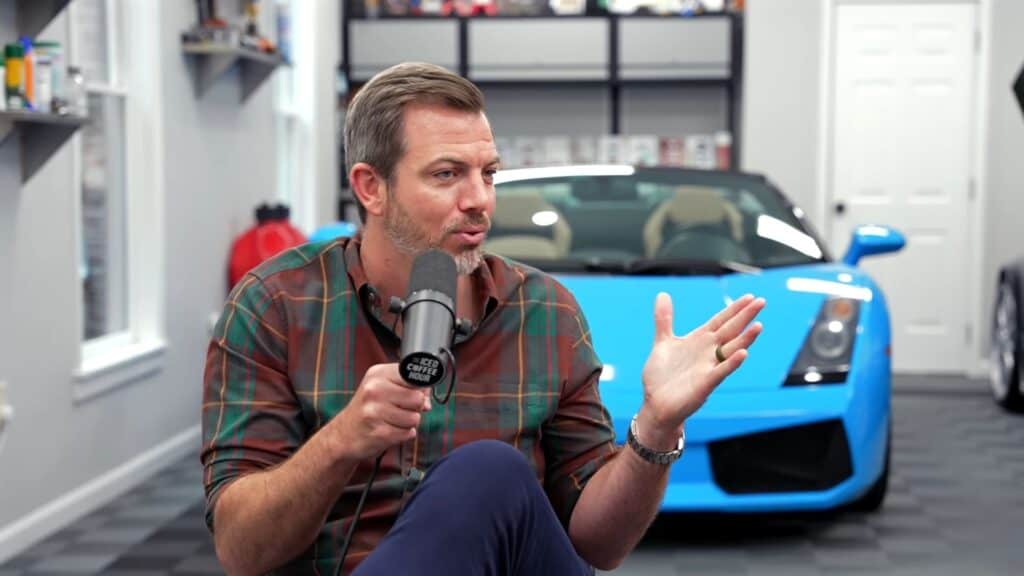
The story
The Iced Coffee Hour Podcast interviewed a Lamborghini salesperson who explains what he’s learned after years of selling sport cars to high-net-worth and aspiring buyers alike. One of the most surprising points he makes is that many people who walk into a Lamborghini dealership are not financially prepared to buy one. Some arrive dressed in flashy designer clothing or wearing expensive-looking watches, hoping to project wealth. Others are eager to jump straight into a test drive without engaging in a deeper conversation. According to him, those behaviors often signal that a purchase isn’t realistic.
Rather than judging these visitors, the salesperson explains his sales philosophy. He asks thoughtful questions, such as how the buyer will actually use the car, how it fits into their broader goals, why they want it, and what they believe the car represents. These questions reveal to him whether someone has seriously considered the financial commitment or is driven primarily by impulse and image.
He also notes that there’s a paradox in luxury car sales. Buyers who are stretching financially are often the most motivated to complete a deal, while those who can easily write a check tend to be harder to close. Stretch buyers are upfront about their challenges, like credit history or negative equity, and are deeply invested in making it work. The most eye-opening moment is when the interviewer asks what percentage of people driving exotic cars can barely afford them.
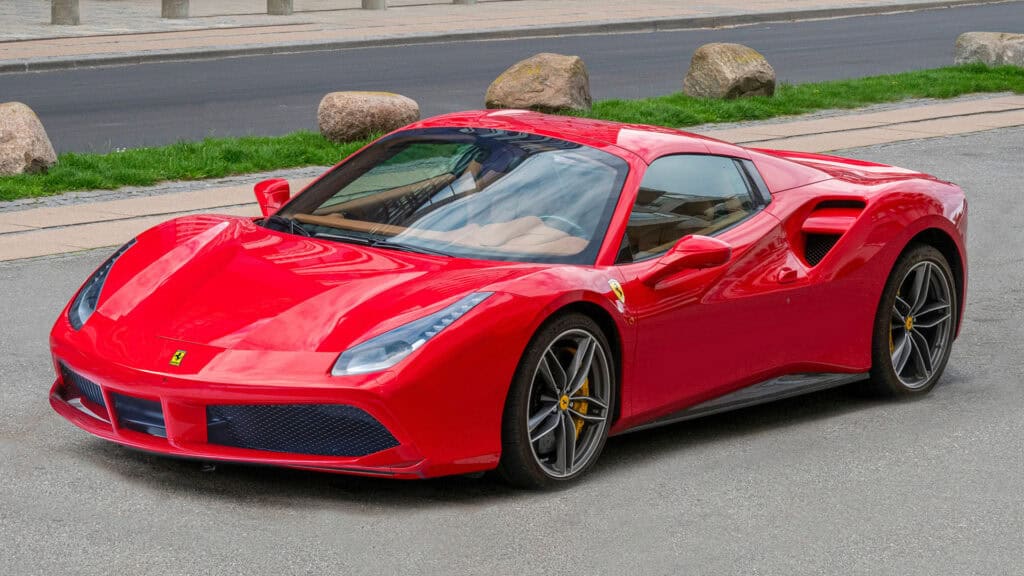
The salesperson said that, based on his experience, about 75% of buyers finance these cars because they cannot afford them outright. They don’t do it because it’s a savvy arbitrage strategy; they do it because they simply don’t have the cash. In his experience, seeing someone in a supercar, especially a newer one, should not automatically lead to the assumption that they are wealthy.
Why people like to flex luxury cars
If luxury cars are so financially burdensome, why do so many people pursue them anyway? The answer lies in what these cars symbolize. Supercars function as rolling status symbols, or so people have been led to assume. They broadcast success and power in a way few other purchases can. For some, the validation matters more than the balance sheet.
Social perception also plays a major role. The salesperson points out that many people assume a supercar driver is “loaded,” when in reality the car may represent the majority of that person’s net worth. In contrast, truly wealthy individuals often favor older, harder-to-finance collector cars or avoid flash altogether. This shows that wealth and visible luxury do not always overlap.
The pressure to appear successful is amplified by social media, where expensive cars are the content, not their transportation. The car becomes a prop for them, reinforcing the idea that looking rich is equivalent to being rich. The problem is that luxury vehicles come with relentless costs like financing, insurance, maintenance, and depreciation. A buyer may “qualify” for the loan, but might be quietly sacrificing their long-term financial stability.
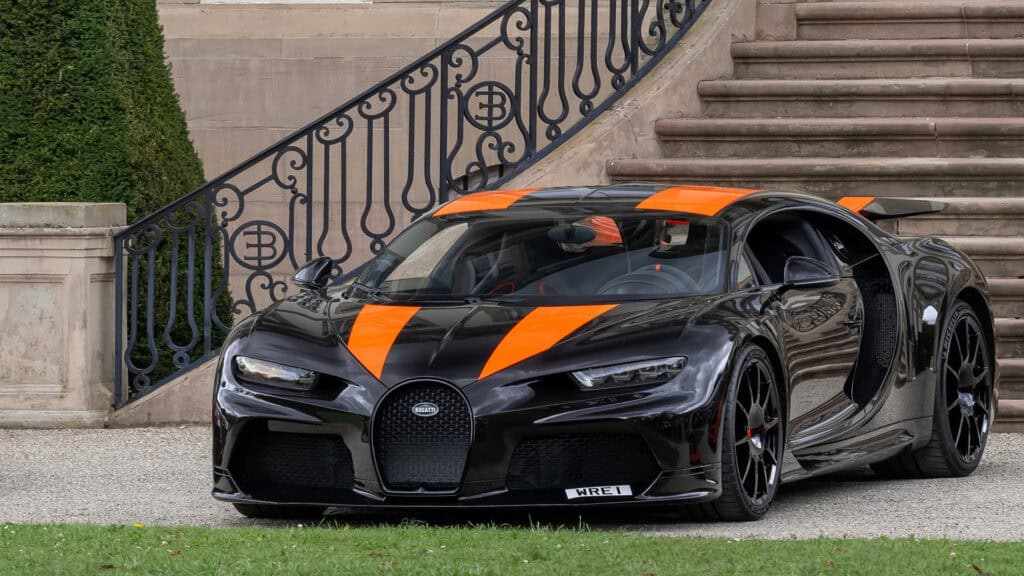
To put the stakes in perspective, consider entry-level pricing in the supercar world. A Lamborghini Huracán typically starts around $250,000. A McLaren Artura comes in at nearly $260,000. Even a high-performance Porsche 911 Turbo exceeds $250,000 before options. These prices don’t include taxes, financing interest costs, or maintenance, all of which can compound quickly.
Takeaway
Luxury cars can indeed be incredible machines. They represent engineering excellence, value, performance, and emotion. But the Lamborghini salesperson’s blunt honesty highlights how financial readiness matters more than aspiration. Owning something impressive does not automatically mean someone is wealthy & successful. The video resonated so well with the internet because it dispels the common illusion that flashy purchases are the key to happiness. Wealth is not what you drive, it’s what you keep, and real wealth is often invisible. Stretching to afford a luxury car may deliver short-term validation and a few head turns, but it often creates long-term financial strain. In the end, the most valuable status symbol is financial security.