
The smart buyer’s playbook for car negotiation in 2026

This is how informed buyers are winning the car market in 2026.
Buying a car in 2026 isn’t the same as it used to be. In the past, haggling furiously in the showroom was often the key to a good deal, but today’s car buyers are armed with powerful online tools and favorable market conditions that shift the balance of power toward the informed shopper. Whether you’re buying new or used, knowing how to negotiate now can save you thousands. Here are some practical tips that actually work in today’s evolving market.

What’s changed, and why it matters
The automotive market in 2026 favors well-prepared buyers more than it has in recent years. Following years of supply shortages and inflated used-car values, supply and demand began to balance, hopefully stabilizing the market.
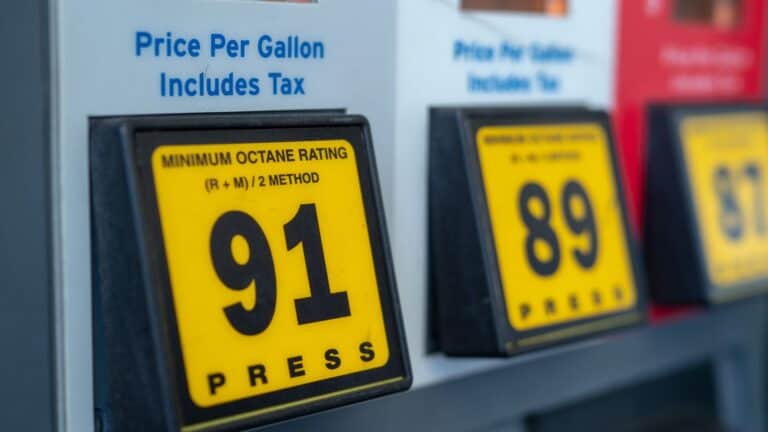
But at the same time, new 25% tarrifs on cars from Europe can increase prices for some models, and the high fuel prices are pushing buyers towards more economical vehicles.
In recent years, high interest rates have also added thousands of dollars to the cost of buying a car. Even though rates began to decline last year, in 2026 the Fed held borrowing rates steady, meaning car shoppers couldn’t get a better rate by waiting.
Start with research
Your preparation should start with research. Knowing what comparable cars are actually selling for is essential before stepping onto a lot or clicking “Buy Now.” Websites like Edmunds and Kelley Blue Book provide estimated market value, which is far more useful than the MSRP alone. Understanding the vehicle’s actual value gives buyers an anchor for gauging fair pricing. Another equally important step is securing pre-approved financing. Walking into negotiations with a pre-approved loan from a bank or credit union clarifies what you can afford and protects against high dealership markups. Pre-approval signals seriousness and strengthens bargaining power.
Timing is a tactical advantage
Timing still matters in 2026. Dealers often chase monthly, quarterly, and annual sales goals, so shopping toward the end of these periods can yield more flexibility as managers work to hit targets. Holiday sales events and end-of-year promotions can also bring deeper discounts. Also, the arrival of new model years mid-year can prompt discounts on outgoing stock, so for buyers willing to wait, months like August and December often offer the best opportunities. Being aware of these cycles allows buyers to maximize leverage without forcing the dealer to feel pressured.

Master negotiation
Negotiation itself has evolved. Today, the most effective approach is to separate discussions about vehicle price from financing and add-ons. Dealers make significant profits by selling you extended warranties and other extras, so focusing first on the vehicle’s total price helps clarify the cost. Using multiple dealer quotes can provide leverage because sharing competing offers often prompts counteroffers.
In 2026, negotiation moved online. Via email or text, allowing buyers to communicate on their terms and maintain a written record of all offers. Focusing on the total purchase price rather than monthly payments prevents hidden costs from sneaking in through higher interest rates or extended terms. Above all, the willingness to walk away is the single most powerful position a buyer can hold, as it signals that you are not desperate and can often lead to better deals.
Trade-ins and financing
Separately handling trade-ins and financing strengthens your negotiating power. Negotiating the purchase price first, then discussing trade-ins, prevents dealers from bundling offers in ways that obscure true value. Documenting your trade-in value with independent appraisals demonstrates your market knowledge and discourages lowball offers. Even with pre-approved financing, comparing dealer financing options is worth it, as dealers may sometimes offer lower rates, but only once the vehicle price is locked in. Approaching each element of the deal independently allows buyers to maintain clarity and control over the overall cost.
Final checks before committing
Before signing any contract, take time to carefully review all fees, including taxes, registration, and documentation, and be sure you question anything unfamiliar or any terminology you don’t understand. If buying a used vehicle, consider a pre-purchase inspection, which protects your investment and can be used as a negotiation point to adjust pricing if issues arise. Ensure that all verbal agreements are accurately reflected in the contract to prevent surprises and strengthen your leverage at the time of purchase. The small details can have significant impacts on the final cost, making careful review critical.

Be informed and flexible
Car buying in 2026 rewards knowledge and confidence. With pricing transparency improving and online tools providing unmatched market insight, the power is shifting toward buyers. Negotiation is no longer about outwitting a salesperson on the lot. Now, buyers can start structuring deals strategically when they understand their leverage and are ready to walk away if terms aren’t favorable. Those who combine research, timing, and a calm, informed approach will get the best deals in a market that finally favors the well-prepared.