
He spent $80,000 on a luxury electric car and admits living with it has been a struggle
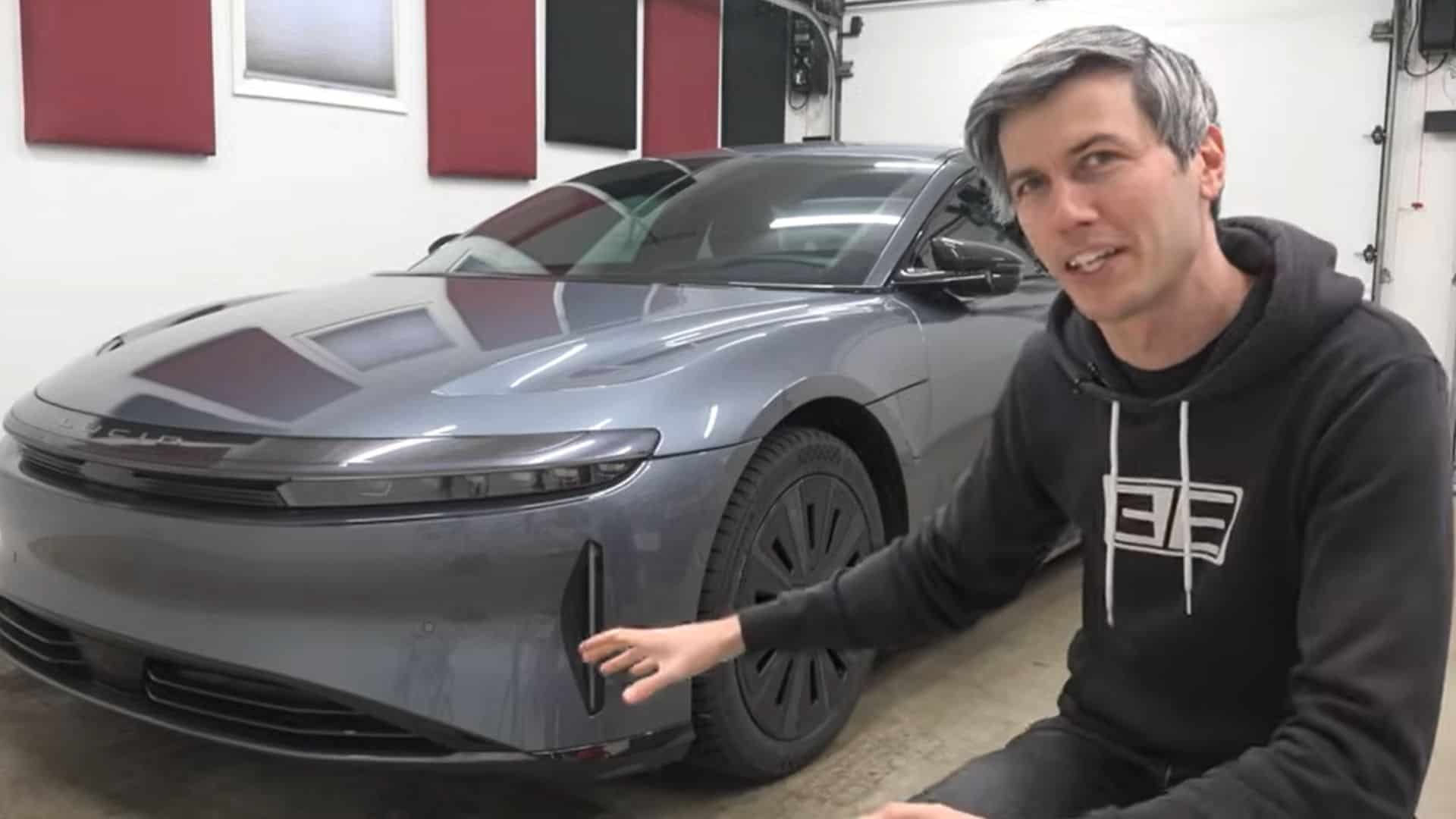
A Lucid Air owner highlights the growing gap between cutting-edge EV engineering and everyday usability.
Buying a luxury car is usually about more than transportation. It comes with expectations of polish, ease, and the sense that daily life will feel simpler, not more complicated. As vehicles become increasingly defined by software and digital systems, that promise is being tested in new ways. A recent owner’s experience with a high-end electric sedan offers a revealing look at how cutting-edge technology can clash with everyday usability, even at the top end of the market.
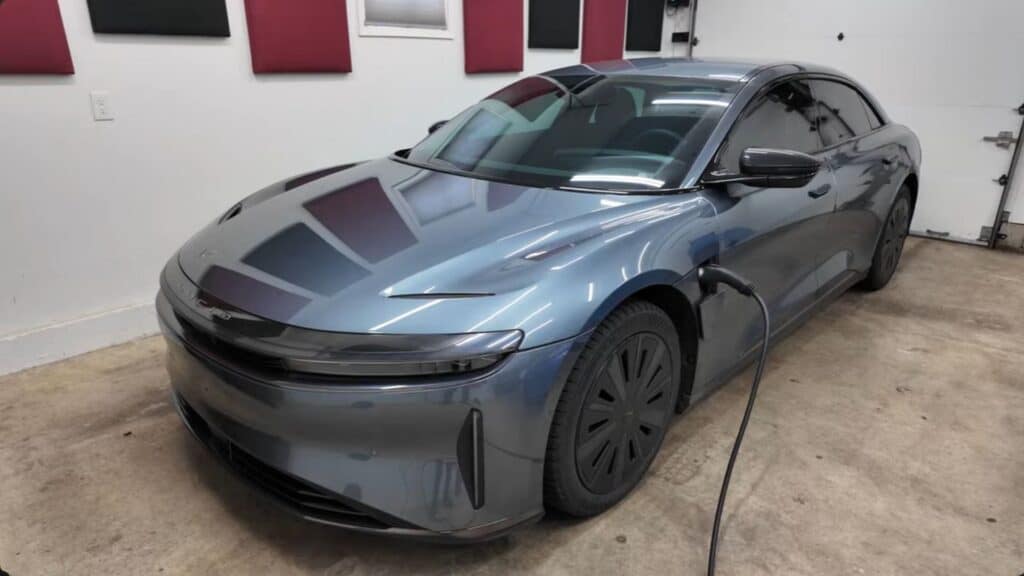
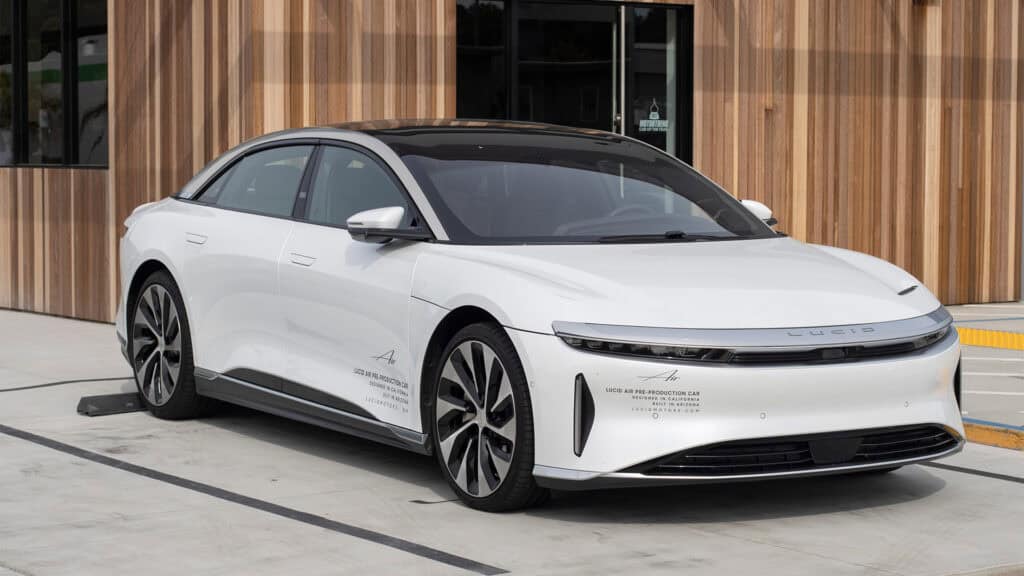
Lucid Motors is at the top of the electric vehicle market, with the sleek Lucid Air sedan and its upcoming SUV, the Lucid Gravity. Both are marketed as ultra-high-tech, luxury EVs with prices typically ranging from roughly $80,000 to well over $100,000. This is clearly not an entry-level electric car. That’s why a recent viral video from a Lucid Air Touring owner struck such a nerve. It was a detailed, thoughtful account of what it’s actually like to live with a luxury EV when the technology doesn’t always behave as promised.
The story
Jason Fenske purchased a brand-new 2025 Lucid Air Touring less than six months ago after extensive test drives and research. He says that he still believes Lucid Air is one of the most impressively engineered vehicles on the road. It’s efficient, fast, beautifully packaged, and clearly built by a talented engineering team. But, he said that the short test drives didn’t prepare him for what everyday ownership would be like.
He then goes through a calm but exhaustive walkthrough of recurring issues. Some are hardware-related, like a front trunk that wouldn’t open on the first attempt or a charging door that requires unexpectedly heavy pressure to open. But there were others that were more surprising, like cup holders that grip a drink so tightly it takes nearly nine pounds of force to remove an empty can.
The bulk of the video focuses on software. Updates that fail to install for months, audio systems that randomly stop working, Apple CarPlay that disconnects or refuses to launch, phone keys that fail without warning, and a car that sometimes won’t lock or won’t turn off at all. There was a specific unsettling moment when a heated rear seat turned itself on repeatedly while the owner’s dog was in the back.
The owner’s biggest frustration was driver profiles. The Lucid relies heavily on software and a touchscreen to control seats, mirrors, and steering wheel positions, yet profiles can’t be changed while driving. When the car misidentifies who’s behind the wheel, which is a frequent occurrence when two drivers enter together, the result can be blocked displays and no safe way to fix it without pulling over. For a car this advanced and this expensive, the experience feels unfinished.

Under the video, he commented to clarify that he still believes the Lucid Air is “a brilliantly engineered vehicle” and “the most efficient vehicle sold in the United States,” praising its innovation in different areas. At the same time, he acknowledges that software issues have been frustrating, even after extensive research and testing before purchase.
Commenters under the video chimed in with humor and empathy. The cup holder problem was called “one of the funniest car problems I’ve ever seen,” and the touchscreen glovebox feature was labeled “next-level stupidity,” even though this is getting common in many EVs. Many commenters also noted that owning a high-tech dream car can sometimes come with unexpected headaches, even for experienced buyers.
Why this story resonates
For most people, spending $80,000-$100,000 is not a casual decision. It often represents years of saving or a hard-earned reward. When something goes wrong at that level, the frustration comes down to broken expectations. Luxury buyers expect issues to be rare, or, if they occur, to be resolved smoothly and quickly. Watching a knowledgeable, enthusiastic owner struggle with problems that affect basic daily use hits a nerve with consumers. It reflects a fear many consumers share, that modern vehicles are becoming more complex faster than they’re becoming reliable.
Takeaway
The viral Lucid Air video wasn’t meant to tear the brand down. It was meant to highlight the growing pains of advancing automotive technology. Lucid has proven it can build stunning, world-class electric vehicles, but in the luxury market, engineering brilliance isn’t enough. Software stability, intuitive design, coherence, and everyday reliability matter just as much as range and performance.
For buyers, it’s a reminder to look beyond spec sheets and test drives. For automakers, it’s a warning that trust is built or lost after the sale. Lucid’s future, especially with Gravity on the horizon, still looks promising. But as this video shows, the difference between an impressive car and a great ownership experience often comes down to the smallest, most human details that luxury buyers notice immediately.