
Think you need 400 miles of EV range? The data tells a different story
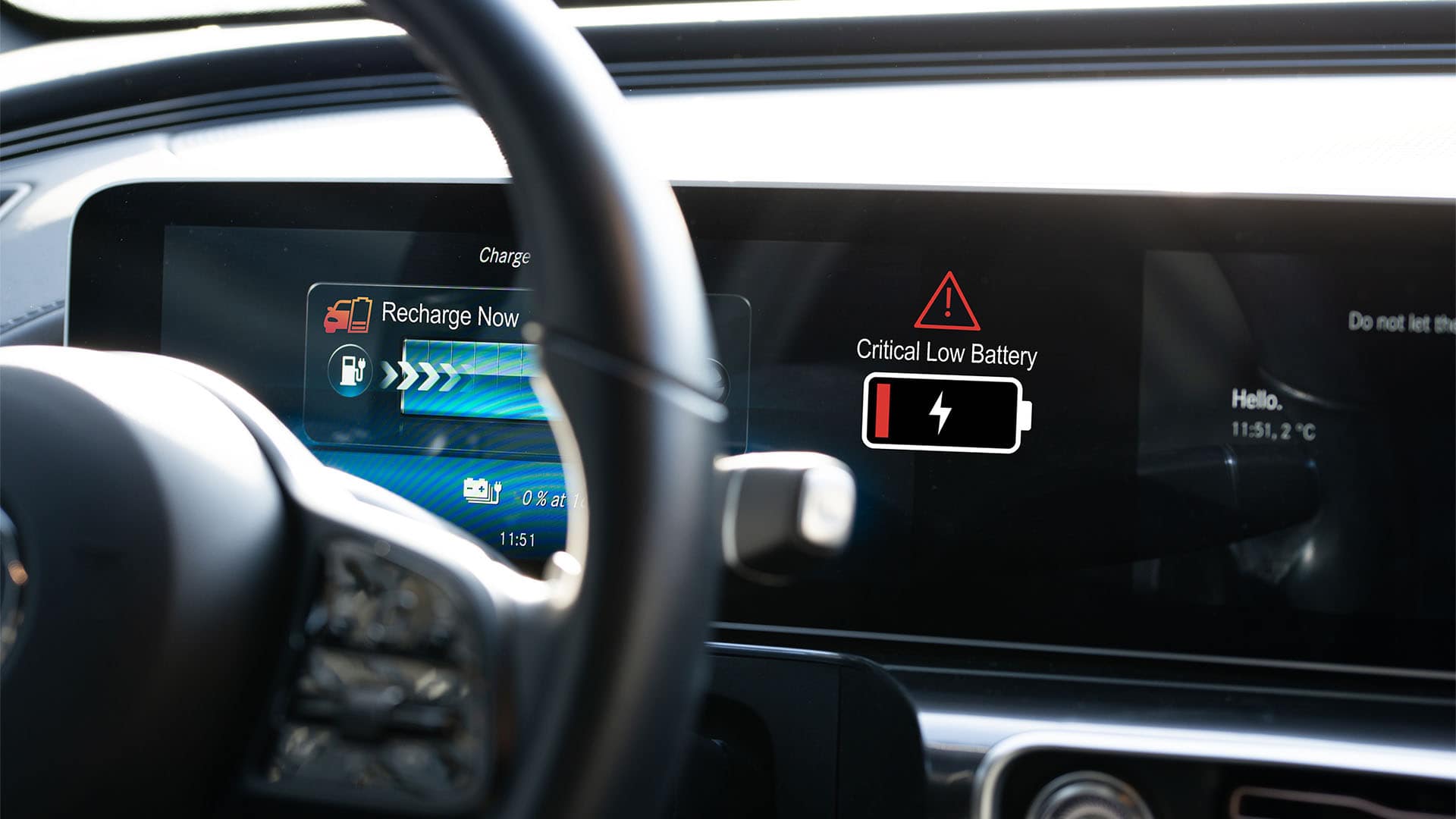
Real-world driving patterns reveal a surprising gap between what buyers say they want and how they actually use their cars.
Electric vehicles are still in relatively early days compared with the century-long dominance of combustion engines. While battery technology has improved rapidly, many EVs still offer less range than some drivers would ideally like, which has kept “range anxiety” a central concern for potential buyers. The fear of running out of charge on a longer trip has pushed consumers to prioritize bigger batteries and encouraged automakers to compete for ever-higher range figures. But a new study suggests the reality of everyday driving may look very different. When researchers examined how people actually use their electric cars day to day, they found that the range most drivers actually need may be far lower than many assume.
The study behind the numbers
The latest analysis comes from Recurrent Auto, a firm that tracks EV battery health and real-world performance. Their data paints a clear picture: while many shoppers insist they want 300 to 400 miles of range, the average driver uses far less than that daily. In fact, most trips in the U.S. are under 40 miles, well within the capability of nearly every EV already on the market.
According to the data from more than 40,000 EVs, drivers are using just 12.6% of their vehicles’ range on average. “EV owners in the US are leaving a lot of the range they pay for on the table.” The company noted in its report released this week. For smaller EVs with 75–100 miles of range, drivers tend to use about 22.8% of that range daily. However, for long-range EVs with a 350–400-mile capacity, only 7.9% of the available range is used each day.
The takeaway is simple: most buyers don’t need a massive battery to cover their real-world driving habits. Smaller batteries mean lighter cars, lower costs, and more affordable EVs, but here’s the catch. Will consumers actually accept a reduced range in exchange for lower prices? That’s still an open question, so we looked at what the internet had to say.
What drivers are saying online

The findings sparked a lively debate online, particularly on Reddit’s electric vehicle community. Many users agreed that the fear of running out of power is often overblown.
One commenter put it bluntly: “I don’t need to do 500 miles without stopping. Even in a gas car, I wouldn’t mind a smaller tank that only got 250 miles, because I know I can easily find a station to fill up. It would get annoying week-to-week with frequent trips to refill, but if I had a gas pump at home (like EVs) it would be a non-issue.”
Others, however, argued that while shorter daily drives are easy to cover, road trips are another story. As one person explained:
“Here’s the thing though. Going 250 miles without stopping on the highway if you’re charge cycling between 10-80% means you need 350 miles of actual highway range since you’re only using 70% of your actual capacity. Which is why so many manufacturers are going for that 300–400 mile target.”
That tension between daily needs and occasional long-haul trips was a recurring theme. Another driver shared:
“Exactly, I live in NYC and on most days I don’t drive at all and when I do it’s usually less than 8 miles. But at least once a week I have to go upstate and it’s about 160–180 miles round trip. There aren’t many level 3 charging stations and for the few that exist there is usually a line. This means that more range is definitely necessary for me.”
These concerns reflect an everyday reality: while charging infrastructure is growing rapidly, remote areas, such as national parks and smaller towns, often lack fast-charging stations, making a higher range a comfort factor for many buyers.
The case for plug-in hybrids
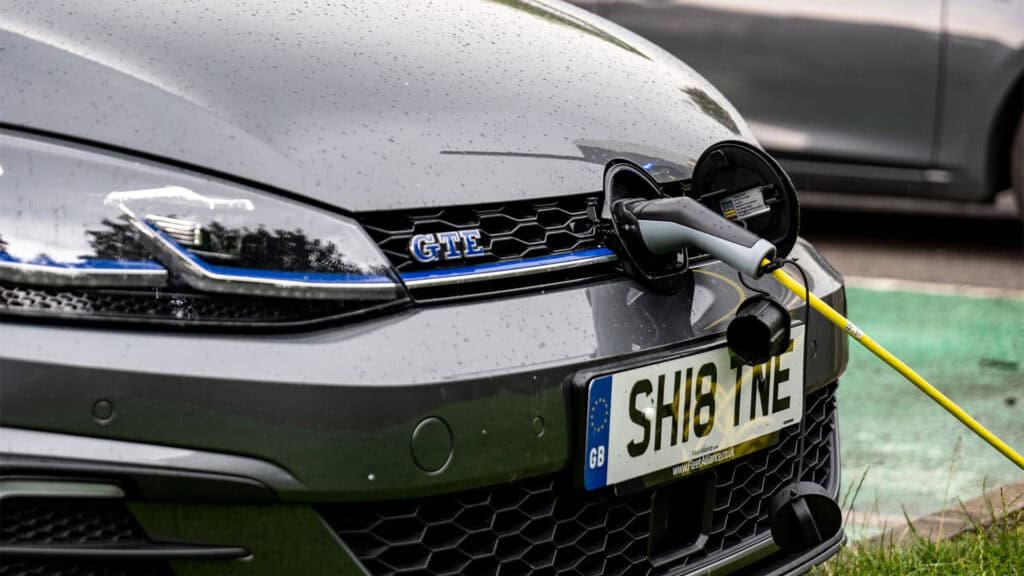
Interestingly, some commenters noted that this debate underscores the continued appeal of plug-in hybrid vehicles (PHEVs). As one wrote:
“This is where PHEVs make so much sense. You have your EV for short range trips, your ICE for long range trips and only pay insurance and parking once.”
PHEVs allow drivers to enjoy the benefits of daily electric driving, quiet, efficient, and emissions-free, while keeping a gasoline engine for long road trips or areas with limited charging options.
The takeaway
The study reinforces a key point: for most people, EV range anxiety is more psychological than practical. If you drive fewer than 40 miles a day and can charge at home, even a 200-mile EV would more than cover your needs. But for road trippers and those in rural areas, a higher range still feels essential until fast-charging networks catch up.
In the meantime, automakers have a choice: keep building massive batteries that push range ever higher or strike a balance by offering more affordable, right-sized EVs for everyday use.