
Porsche Pulls Plug on Battery Factory, But Its Electric Cars Aren’t Going Anywhere
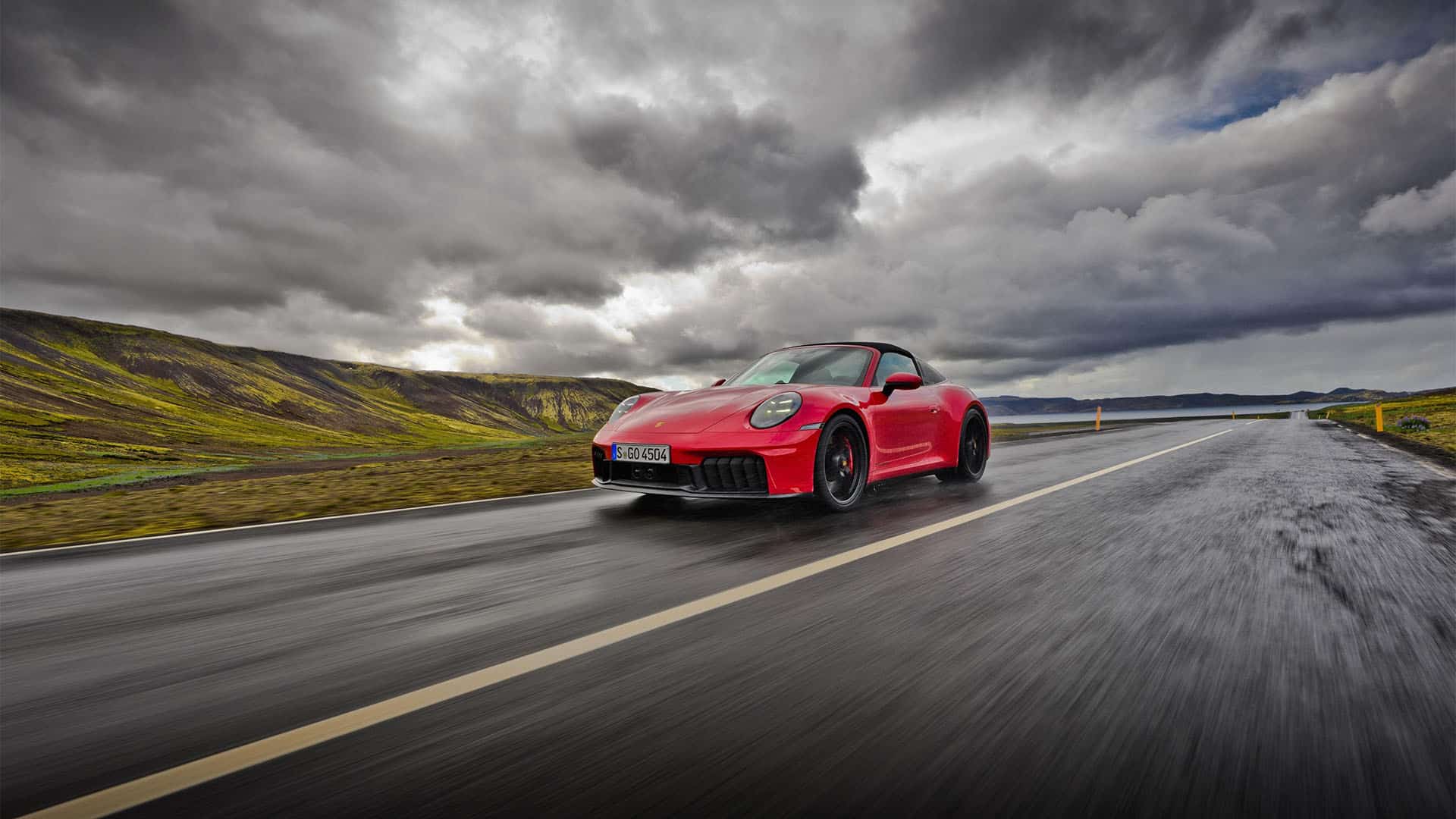
Porsche is hitting the brakes on its ambitious plan to produce high-performance battery cells in-house, shifting its focus toward research and development instead.
CEO Oliver Blume recently admitted that the company’s “business model, which has served us well for many decades, no longer works in its current form.” The decision comes despite Porsche’s strong performance in electrification. 57 per cent of the vehicles delivered in Europe were electrified, compared to a global 36 per cent.
Besides an impressive 31% year-over-year increase in Taycan sales in the U.S. the slowing demand for EVs in the United States, and the underdeveloped Chinese electric luxury segment, Porsche is in a challenging position.
Battery Production No Longer “Economically Viable”

In their latest press release, Porsche confirmed that producing its own high-performance battery cells is “not economically viable.” The brand’s Cellforce division, previously tasked with leading in-house battery production, will now focus on battery research and development.
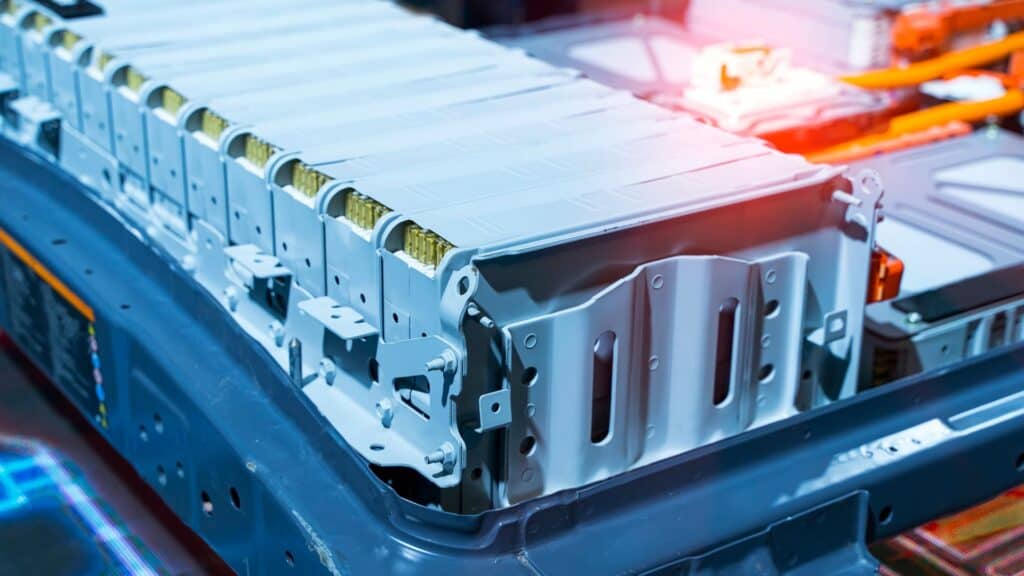
In-house battery production is notoriously complex, particularly when aiming for supercar performance levels. Traditionally, the world’s major players, such as LG and CATL, supply battery cells and modules for battery production, but the entire pack is assembled by another party. Suppliers with close ties to automakers build them into packs that include cooling systems and battery management software.
These battery pack suppliers often design battery platforms that can be customized and used in multiple car models. However, before a battery pack is assembled into a specific vehicle model, these battery packs, especially their software and battery management systems, need to be fine-tuned for that vehicle. This requires enormous engineering expertise and financial investment.
Without reaching massive production volumes, the costs are simply too high. Porsche’s decision reflects that reality: while it may not build its own cells, buying advanced battery technology from established suppliers could allow it to deliver top-tier performance at a lower risk and cost.
Currently, CATL supplies the batteries for the Macan Electric, while LG provides the cells for the Taycan. Maybe one of these companies will supply the new battery cells for Porsche. They do it for all the big names in the industry, and developing battery cell production is a huge investment that only a few carmakers could afford.
Meanwhile, the Volkswagen Group’s own battery strategy is moving ahead aggressively. The parent company has invested heavily in raw material sourcing, next-generation solid-state battery technology, and three large-scale plants in Spain, Germany, and Canada. It wouldn’t be surprising if future Porsche models end up using VW-produced batteries.
Porsche’s Future Model Strategy
The company is also reshaping its product portfolio. According to recent reports, Porsche will:
Taycan´s electric replacement expected around 2028.
Introduce the next-generation Macan EV, delayed but still planned to strengthen the brand’s electric SUV lineup.
Continue investing in hybrid technology across models like the Cayenne and Panamera as a transitional strategy.
Dr. Oliver Blume emphasized that Porsche’s goal is not to abandon electrification but to adapt to a rapidly changing market. “We will continue to invest in all-electric models with high-performance batteries in the future” he noted, while stressing that profitability and sustainable growth will guide the path forward.
Porsche’s retreat from in-house battery cell production doesn’t mean its EV future is in jeopardy. If anything, it highlights the challenges even premium automakers face in balancing innovation with economic reality. By sourcing cutting-edge technology from global leaders and potentially tapping into Volkswagen Group’s upcoming in-house supply, Porsche may still carve out a winning strategy in the supercar EV space.