

A car mechanic told me this everyday habit quietly damages my car

It seemed completely harmless at first, but this mechanic said it’s more damaging than most drivers realize.
Not long ago, a mechanic told me to stop doing one specific thing because it goes against how modern cars are designed to run. Most people assume serious car damage comes only from high mileage or neglecting maintenance, but some of the worst long-term wear can come from habits that seem completely harmless. The problem is subtle, easy to overlook, and something many drivers do without thinking. Here’s what you should know to avoid causing unnecessary damage to your car over time.

The expert advice
The mechanic’s advice was short but specific. Stop taking your car for short trips. Driving only a mile or two in the morning and repeating the same short journey in the evening is the best way to wear out your engine. Cars are built to run most efficiently and safely at a specific operating temperature, but to achieve it, you need to drive a certain mileage.
When you take only very short drives, such as repeated quick errands or short commutes, your engine and exhaust system rarely reach that temperature and wear out more than cars driven for many hours or miles. There are several problems with the cold engine.
Motor oil fails to lubricate the engine
When a car is driven only short distances, the engine oil often fails to reach its optimal operating temperature. Cold oil is thicker and flows more slowly, so it takes longer to circulate and fully protect all internal engine components. On short trips, the engine may be shut off before the oil has evenly coated critical parts such as bearings, camshafts, and valve components. This repeated cycle increases metal-to-metal contact and accelerates wear over time, even if the vehicle appears to be running normally.
Condensation and internal moisture damage
Short-distance driving also affects the positive crankcase ventilation (PCV) system, which is designed to remove moisture and combustion gases from the engine. During short trips, the engine often does not reach a high enough temperature to evaporate the water vapor produced during normal combustion. As a result, condensation can accumulate inside the crankcase and PCV system. Over time, this moisture can mix with oil vapors to form sludge, restricting airflow through the PCV valve and increasing internal pressure, thereby accelerating engine wear.
Battery and exhaust system issues
Short trips create another sneaky problem. Your alternator never has enough time to recharge the battery properly after starting. After short trips, the battery may slowly degrade its capacity and suddenly fail to start the engine. This doesn’t scream “engine failure,” but quietly adds up, especially if short trips are your normal driving pattern.
Exhaust system corrosion
Increased exhaust system corrosion is another common issue. If exhaust components do not reach a high enough temperature to dry out, they will retain water continuously. Water vapor is a normal byproduct of combustion, and during short trips, it condenses in the exhaust system rather than evaporating. This moisture can remain trapped in the muffler and pipes after the engine is shut off. Over time, repeated exposure to internal moisture accelerates rust and shortens the life of exhaust components.
5 expert tips to make your car last longer
There are many ways to protect your car without significant lifestyle changes.
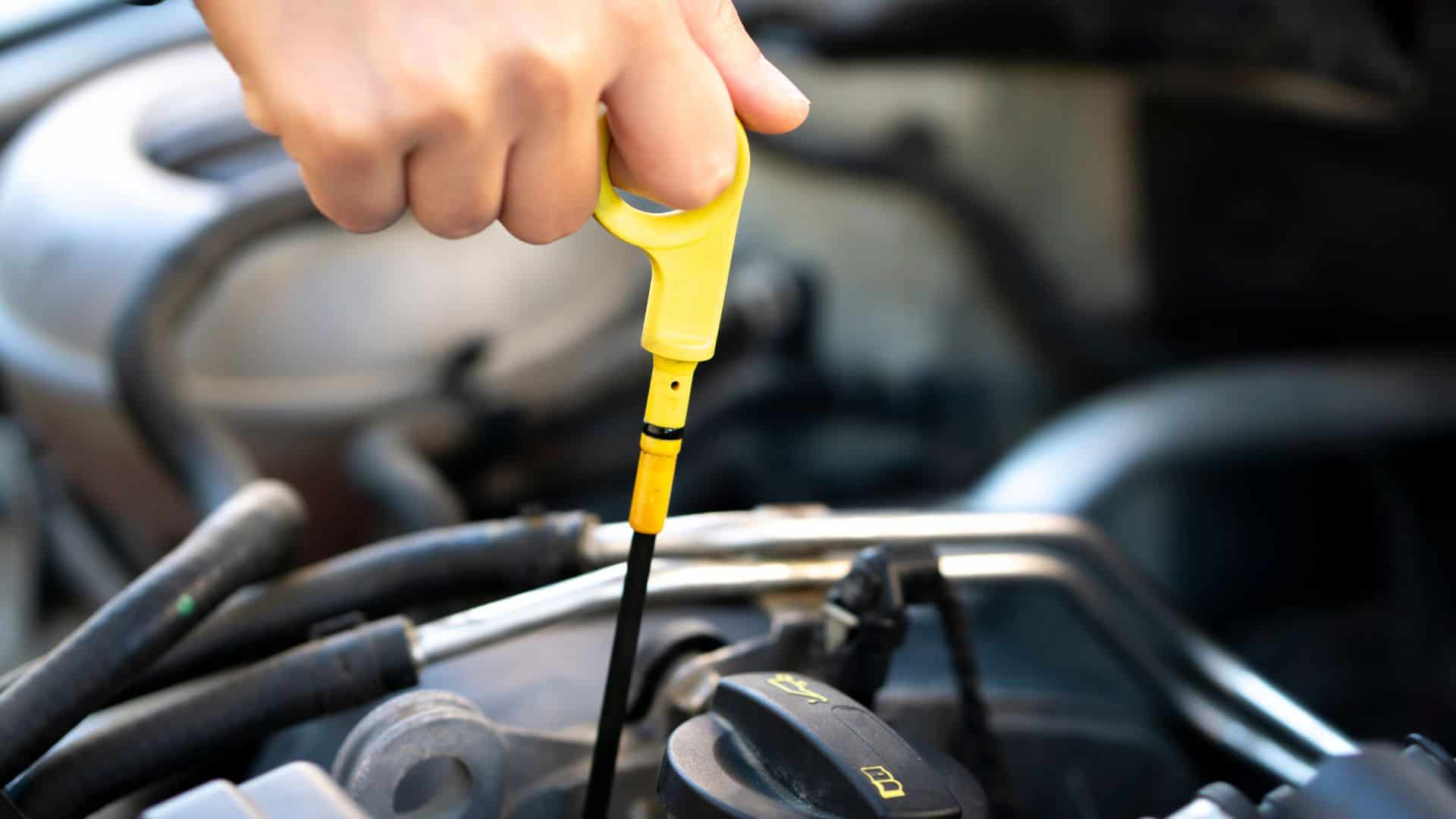
1.Be sure to keep up with regular oil changes. Short trips can contaminate oil faster with unburned fuel and moisture, so sticking to your oil change intervals protects the engine’s internal surfaces.
2. Drive gently instead of idling to warm up. Modern cars don’t need to idle for long to warm up, gently driving gets the engine hot faster and is less stressful on components, but is still something to think about and be intentional with for your engine’s sake.
3. Combine short drives into one longer run when possible. If you can knock out multiple errands in one trip, your engine has a chance to reach and stay at its designed operating temperature, which burns off moisture, keeps the oil clean, and charges the battery.
4. Don’t ignore the battery and charging system in your vehicle. If you take frequent short trips, monitor your battery health. Many garages can also test it for you, and some batteries have a check function that indicates whether the battery is degraded or low on capacity.
5. Listen to your car. Paying attention to how your car sounds and feels can help identify problems early. New or unusual noises, vibrations, or changes in how the vehicle responds can indicate that a component is not operating as intended. Addressing minor irregularities early can prevent them from developing into more serious, costly problems.