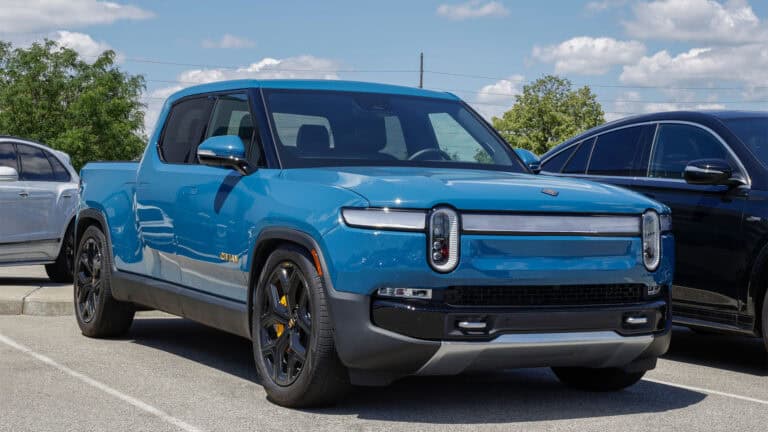

The $50,000 car trap—how car financing is quietly killing your finances without you noticing

Why that “$700-a-month car payment” isn’t just a payment but a slow-burn wealth tax.
Buying a new car is often treated like a milestone. Something that signals stability, progress, and a bit of personal success. The feeling of driving off the dealership lot in a brand-new vehicle, with that unmistakable “new car” confidence, can be genuinely hard to resist. On the surface, it feels safe, practical, and even rewarding.
But beneath that excitement sits a question many people skip entirely: what does this car actually cost over time, and does it truly fit within their financial reality? A monthly payment of $700 to $900 can feel manageable compared to a $50,000 purchase, making the commitment seem far lighter than it really is. In reality, many households don’t recognize the full weight of that decision until the long-term numbers are laid out clearly, and by then, the financial pressure is already built in.

Let’s set the scene really quickly. In 2026, the average new vehicle price in the United States is $49,191, close to an all-time high. That figure includes popular mid‑size SUVs, trucks, and family crossovers that used to be considered pretty basic rides. For context, that price tag isn’t some exotic electric supercar or a luxury badge; it’s what a lot of everyday Americans are driving off dealer lots. And while the sticker price grabs headlines, the deeper problem lies in how these cars are financed and how quickly they lose value.
The illusion of “only a few hundred $ a month”
You’ve heard the pitch a thousand times, “It’s only $600, $700 a month!” But that’s only scratching the surface. Yes, lenders will break down a car loan into a manageable monthly payment. But that doesn’t include insurance, registration fees, taxes, fuel, maintenance, or the enormous depreciation hit that comes with buying new. AAA’s latest Your Driving Costs analysis shows that the total cost of owning and operating a new vehicle is $11,577 yearly, or $964.78 per month.
Depreciation alone is the unseen killer. On average, new cars depreciate about 30% over the first 2 years, and continue to depreciate 8-12% each year after. That means the fancy new ride you’re paying for today could be worth far less by the time your loan term ends, but you’re still on the hook for every dollar financed.
The cost nobody calculates
Here’s where the numbers really start to sting. Imagine hypothetically you didn’t take on that car loan. Instead, you invested the roughly $700 you might otherwise be putting toward car payments into a diversified portfolio averaging 7-8% annual returns, a figure many long‑term investors use as a benchmark. Over ten years, consistent monthly contributions like that could realistically grow into around six figures.
Now compare that with your car’s actual future value after a decade of driving. That once‑new $50,000 vehicle might be worth $15,000-$20,000, if it holds that much value at all, depending on mileage and condition. That contrast is an easy example of the hidden cost of financing cars. It’s not just what you pay, it’s what you lose in wealth‑building potential by diverting cash into an asset that doesn’t appreciate.
The alternative strategy
One of the most effective strategies is buying a lightly used car that’s two to three years old. By doing this, you avoid the steepest depreciation hit that new vehicles take in their first few years, yet you still get a reliable, modern car with most of the features you want. Even with this route, you want to be careful not to fall into any used car traps.
Paying cash when possible is another powerful move. It eliminates interest charges and gives you more negotiating power. Beyond that, it’s essential to think about the total cost of ownership, not just the monthly payment, before you sign on the dotted line. Another tip is to time your purchase according to need, not hype or trends.
The bottom line is that a disciplined strategic approach to car buying doesn’t mean settling for an old or inconvenient vehicle it means making choices that protect your long-term financial health while still getting where you need to go.