
Once considered luxury, these 10 items are now worth almost nothing

From glove-box tech to living room status symbols, these once-coveted gadgets lost their value almost over time, and the reasons say a lot about modern life.
There was a time when owning the right piece of technology signaled success. Certain items weren’t just tools for people. They signaled statements about luxury. They lived on dashboards, coffee tables, night stands, and belt clips, quietly telling the world you were ahead of the curve. Today, many of those same items sit in thrift stores, or landfills, functionally obsolete and financially worthless. Here are 10 items that once commanded premium prices and cultural clout, but are now worth little more than nostalgia.
Portable GPS unit
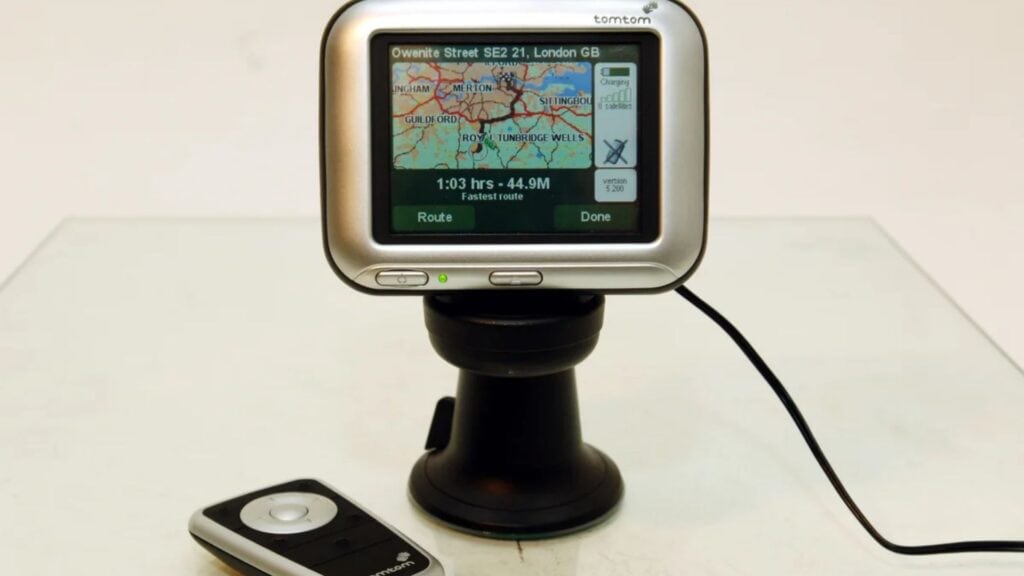
Portable GPS devices were once a travel must-have. Brands like TomTom built businesses around solving a universal problem: getting lost. These devices weren’t cheap and sold for $300 to $500 and were marketed as indispensable for commuters and road-trippers alike. Their decline began the moment smartphones offered free navigation. Apps like Google Maps not only replaced but also improved it with features like live traffic updates and rerouting. Standalone GPS units quickly became redundant
Digital camera
For years, a digital camera was something you deliberately brought with you. Vacations, family events, nights out, even just simple outings. It was the only way to capture decent-quality photos, and they weren’t cheap either. In their early days, having a quality one meant you could afford the up to $400 price tag. But as phone cameras were invented and improved, convenience trumped image quality for most users. Sales of compact digital cameras have dropped 94% between 2010 and 2023.
Original iHome speaker dock
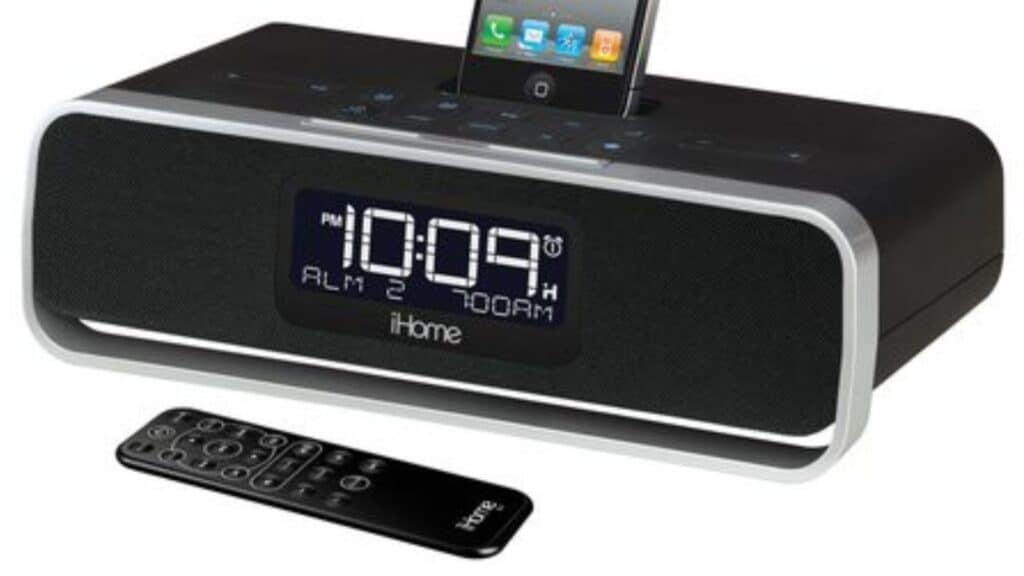
Having one of these used to turn any room into a social hub. It was an iPod docking clock radio, clearly design-forward, and often priced in the hundreds. They were considered a high-ticket item when released in 2005 and were the top-selling iPod accessory that year. The iHome was quickly established as the premier luxury brand in the audio accessories market. That specificity became their downfall. As Apple changed ports and wireless audio took over, these docks lost compatibility and relevance. Bluetooth and smart speakers offered flexibility, avoiding locking users into a single device.
Palm pilot
Before smartphones consolidated everything, the Palm Pilot represented peak personal productivity. It was the device of choice for professionals who wanted digital calendars, contacts, to-do lists, and handwritten notes in one place. In the early 2000s, owning one suggested efficiency and a certain seriousness. The Palm Pilot was rendered obsolete almost overnight as the iPhone absorbed every function Palm offered, then expanded far beyond it. Palm’s inability to transition quickly to a competitive smartphone platform sealed its fate, and by the early 2010s, the entire category vanished.
TiVo
TiVo once changed how Americans watched television, providing DVR services. This was the ability to pause live TV, record entire seasons, watch back later, and skip commercials, which felt revolutionary at a time when broadcast schedules ruled daily life. Having a subscription to a service like TiVo was expensive, but users gladly paid for the control and convenience it offered. Streaming platforms eliminated the problem they solved, leading to shifts in viewing habits. Its relevance collapsed, and the company officially exited the consumer DVR market.
Beats by Dre

Beats by Dre headphones dominated the cultural conversation in the early 2010s, representing image just as much as sound. The marketing team hit a home run by leveraging athletes, musicians, influencers, and other celebrities to endorse them. Beats quickly became synonymous with confidence and success, and prices were north of $300, which reinforced the perception of luxury. As competitors delivered superior audio at lower prices, Beats lost its advantage and market share.
Home intercom systems

Home intercom systems once represented architectural luxury. Especially common in large suburban homes built in the 1980s and 1990s, they allowed families to communicate across rooms without yelling or walking through the house. Builders marketed them as a sign of thoughtful, high-scale modern design. But smartphones made fixed intercom systems instantly outdated. Texting and calling offer the same functionality with infinitely more flexibility. Today, built-in intercoms are often seen as outdated fixtures, rarely used, or removed altogether.
6 disc changer stereo system
A 6-disc CD changer was once the pinnacle of in-car entertainment. It allowed drivers to preload hours of music and avoid the inconvenience of swapping discs. These systems were typically bundled into premium audio packages and marketed as luxury upgrades. Streaming services erased the need for physical media in general. Most modern vehicles no longer include CD players at all, making disc changers incompatible and useless, something that seems like dead weight in a car stereo.
Mounted Sirius XM car radio
Early satellite radio adopters invested heavily in mounted Sirius and XM receivers. These bulky devices required installation and monthly subscriptions, but offered curated content unavailable on traditional radio. Today, satellite radio is seamlessly integrated into modern dashboards or bypassed entirely for streaming apps. Standalone mounted units were once a badge of early adoption, but now hold almost no resale value and often clutter older car interiors.
iPod touch

The iPod Touch was Apple’s attempt to bridge the gap between media player and smartphone. It was popular with users who wanted apps, Wi-Fi, games, and music without committing to a phone plan. At its peak, it sold for several hundred dollars, and owning one in the early days was considered cool and luxurious. But as smartphones became cheaper and Wi-Fi ubiquitous, the iPod Touch lost its purpose. Apple officially discontinued the product, and today, used models are hard to find.