
How long do EV batteries really last? Here’s what I’ve learned in the auto industry
The complete guide to electric vehicle batteries’ lifespan.
Electric vehicles (EVs) have officially gone mainstream. But as more people consider making the switch, one big question keeps coming up: How long do these cars actually last?
It’s a valid concern. Whether you are worried about your wallet or the environmental impact of manufacturing a new car, you want to know if an EV is a long-term investment or a ticking financial clock. Let’s cut through the marketing hype and look at the real-world data to see how long these batteries truly go the distance.
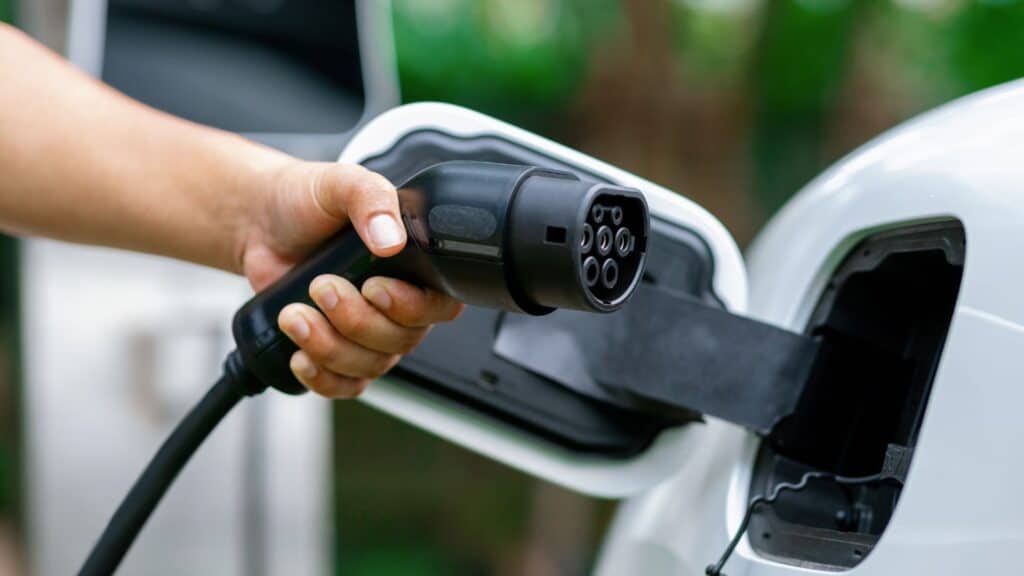
What the real-world data tell us about battery life
The short answer? EV batteries last longer than most people think.
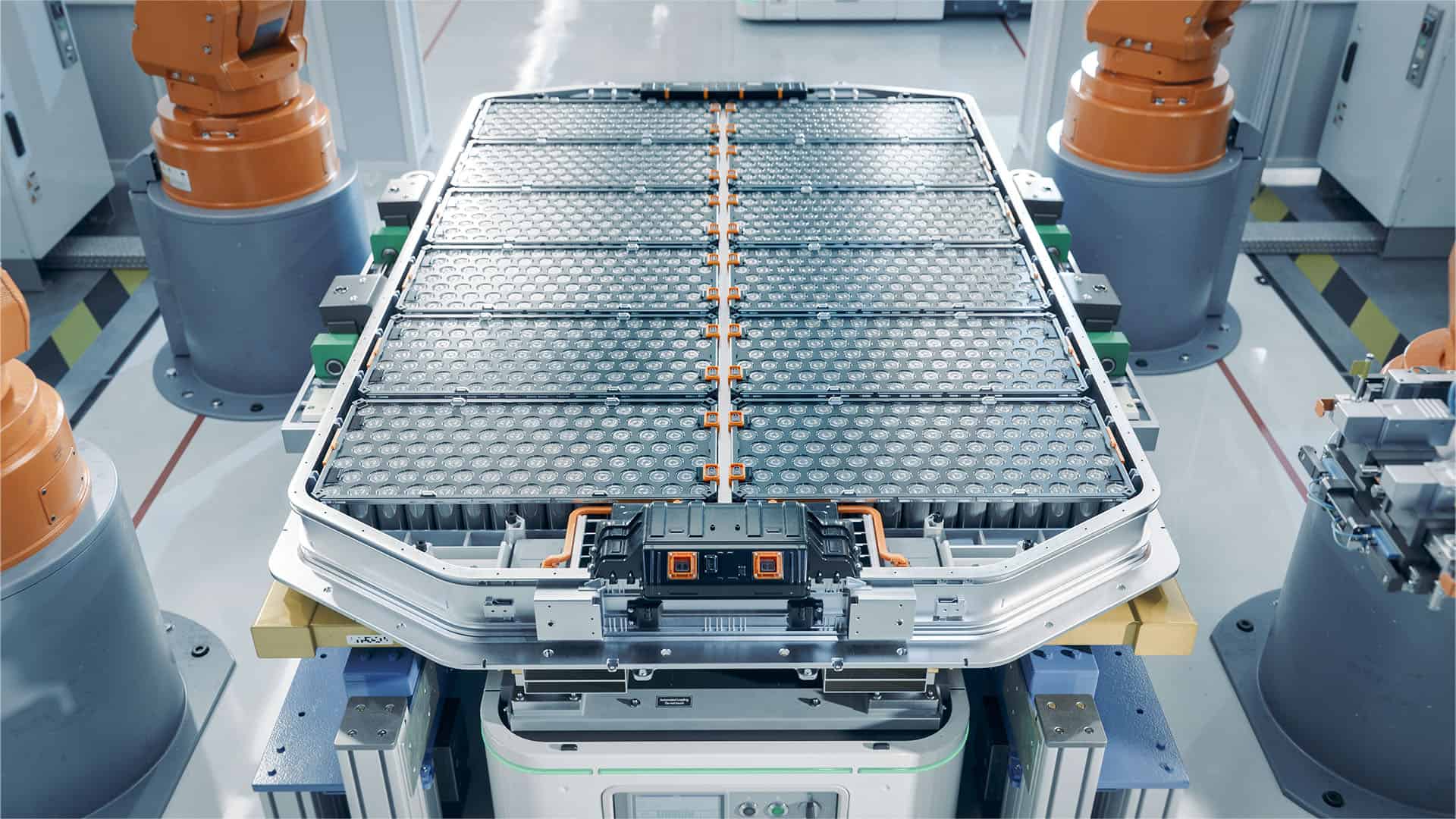
Most modern electric vehicles use lithium-ion batteries, similar to what you find in smartphones and laptops, but on a much larger and more advanced. Compared to smartphones, which are designed to last only a few years, EV batteries typically last for 15-20 years.
But that is just the beginning.
A study by Geotab analyzed 22,700 electric vehicles across 21 models and found that, overall, modern EV batteries are robust and built to last beyond a typical vehicle’s service life. They found that the average annual degradation rate of electric vehicles is 2.3%. This means the average battery is projected to have 81.6% of its original capacity (state of health or SOH) after eight years.
These are very promising numbers and, unless you are driving like a long-haul trucker, chances are you won’t need to worry about replacing your EV battery for a very, very long time.
What affects EV battery life
EV batteries are evolving quickly, and every year, new and better batteries emerge, but there are still a few factors that affect battery life.
1. Temperature Extremes
EV batteries hate heat. If you live in Phoenix or Vegas and your car sits outside all day at 110°F, the battery will degrade faster. Cold weather can temporarily reduce range, but heat can cause permanent wear. That is, most EVs today have liquid-cooled battery packs, which help stabilize internal temperatures. According to the study, hot climates impose a penalty on battery life, with vehicles operating in hot conditions degrading 0.4% faster per year than those in mild climates.
2. Fast charging habits

DC fast charging (like Tesla Superchargers or Electrify America) is great when you are on a road trip, but frequent use can stress the battery over time and reduce the state of health.
Frequency is only half the story. We must also consider the “punch” the battery receives during those sessions, meaning how much fast charging it receives. According to the study, cars that are frequently charged at high-speed charging stations can degrade by up to 3% per year, compared to those on slow charging, which degrade by around 1.5% per year.
3. High state-of-charge or deep discharging
Batteries prefer the middle. Consistently charging to 100% or draining to 0% puts stress on the cells. Just like your Iphone. This is why many EVs now have software that limits how far the battery is charged or discharged unless you override it.
If you charge 80% daily and keep it above 20%, your battery life can last longer.
4. Software management
Battery Management Systems (BMS) are the brain of any EV battery and become incredibly sophisticated in the last few years. They monitor everything inside the battery. Temperature, voltage, current, and more to keep cells healthy and give you the best performance. A good BMS can significantly extend the useful life of a battery. I have seen firsthand how a software update could reduce warranty claims by optimizing charging curves.
What happens when EV batteries wear out?
Let’s say your EV battery drops below 70% capacity after 10 years. What will happen?
In Most Cases, nothing. The car still runs. It just has a shorter range. If you originally had 250 miles, you might now get 175. For many people who only drive 20–50 miles a day, this isn’t a deal-breaker.
Battery replacement

It’s possible, but expensive. Battery replacements can cost between $5,000 and $16,000, depending on the pack size and manufacturer, but these out-of-pocket repairs are very rare. That said, prices are dropping, and some automakers now offer refurbished battery packs or partial module replacements. But this is still the early days of mass-produced remanufactured batteries. Service is complicated and requires highly skilled electricians and original components.
Unfortunately, there is little uniformity across vehicle brands. Almost every EV has a different battery, which makes it even more complicated.
Second life applications
Old EV batteries are not useless, even if they are not good enough for daily driving. If their health and charge capacity degrade to a point where they are no longer feasible for vehicle use, they can be repurposed for other uses. They can be used for home energy storage or commercial backup systems, and specialized companies have begun developing several solutions, but they are still in the early stages. Most EV batteries are still relatively new, and we have a few years before the first larger batch hits the recycling centers.
Recycling
Battery producers and car makers are legally obliged to collect and handle all scrap batteries and are required by law to reuse and recycle them. Batteries and their components are collected in designated containers and stored in designated locations before being sent for mass recycling. The packs are usually dismantled by hand into smaller components, such as battery modules, cables, and BMS. Then, each component is recycled separately.
Modules are usually shredded in a closed environment, and the leftovers are sorted by machines. In the end, they will have metal, plastic, and, as the industry calls it, black mass. Today, companies like Li-Cycle and Redwood Materials are developing efficient, closed-loop recycling systems that recover 95%+ of valuable materials, including lithium, cobalt, and nickel.
Manufacturer warranties
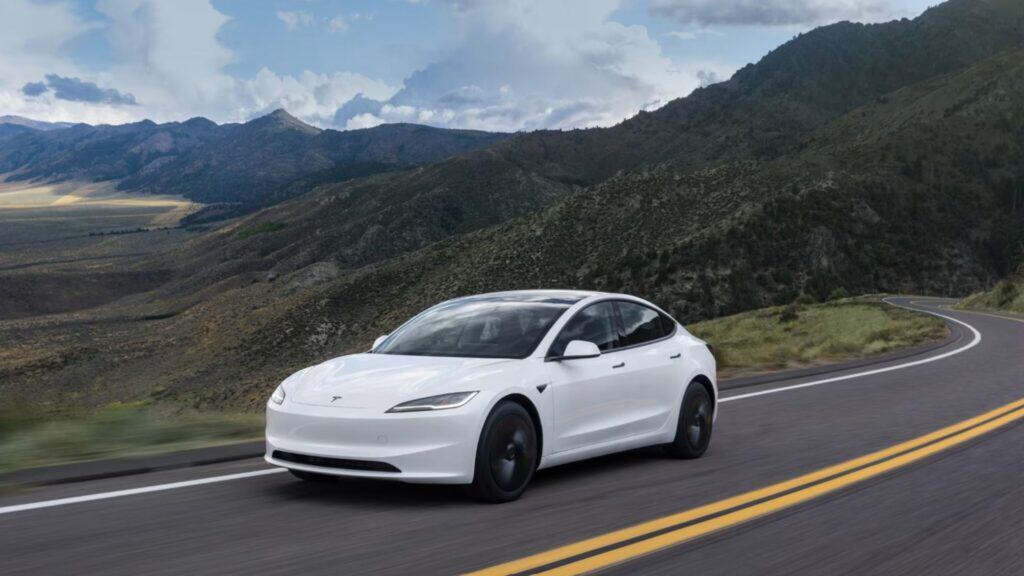
If you are thinking about buying an EV at this stage, I recommend buying a new one or something that is still under warranty. Most EV manufacturers stand by their batteries. Here are a few well-known brands and their warranty offers.
Tesla: 8 years or 150,000 miles (depending on the model)
Hyundai/Kia: 10 years or 100,000 miles
Nissan: 8 years or 100,000 miles
These warranties usually guarantee at least 70% battery capacity during that period, and if your battery falls below that, it can be replaced under warranty. I think it is a solid offer, and if you bought a vehicle brand-new, I am guessing you will get a new one before the warranty ends.
Don’t fear the battery. There is a lot of outdated skepticism about EV batteries, but the truth is they’re built to last. All manufacturers try to make the most of batteries because they are one of the biggest selling points for EVs. Based on current data and real-world experience, most drivers will never need to replace their EV battery during typical ownership. And for those who keep their cars for over a decade? The technology for repairs and replacements will advance as demand grows.
So, if the idea of battery life has been your last mental block before switching to electric, consider it cleared. These are not your phone batteries. They are much smarter, tougher, and more reliable than most people give them credit for.