

Why Every Driver Should Have a Dash Cam and How to Pick the Right One
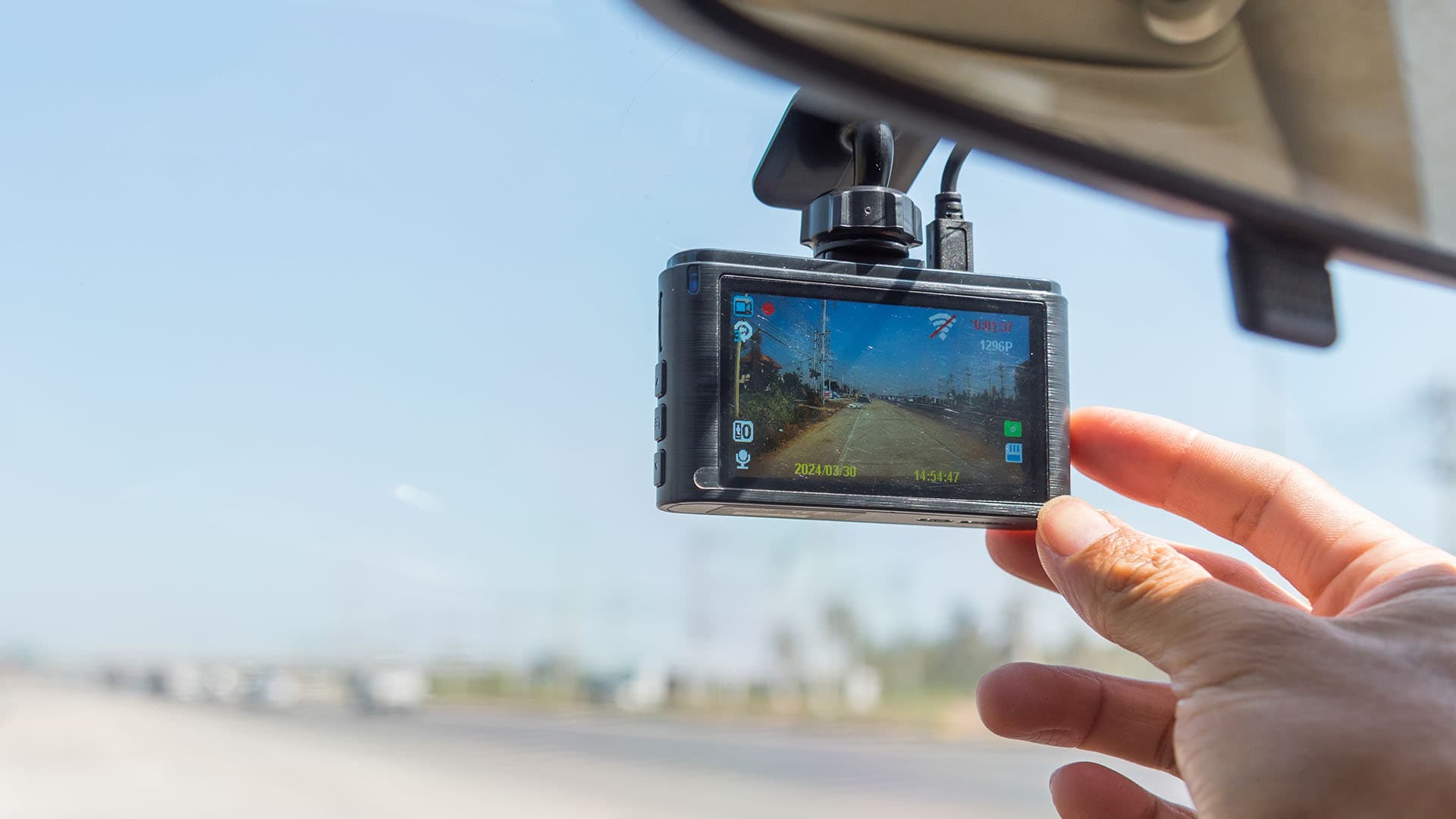
In today’s world of heavy traffic, quick tempers, and endless insurance paperwork, having an extra set of eyes on the road is essential. A dash cam quietly records what happens in front of (and sometimes behind) your car, giving you an extra safety net when things go wrong. Once considered a gadget for professional drivers, dash cams are now a mainstream must-have that can save time, money, and stress.
A Brief History of Dash Cams
Dash cams first appeared in police cruisers and taxi fleets as a way to document incidents and protect drivers. Early models were bulky and expensive, but technology quickly changed that. Over the past decade, cameras have become smaller, more affordable, and equipped with features such as GPS, night vision, and automatic recording.
In some countries, dash cams are nearly universal. In Russia, for instance, they became popular as protection against insurance fraud and unreliable witnesses. That trend has since spread worldwide, with millions of everyday drivers realizing the same benefits.
Why You Should Have One

A dash cam serves as an impartial witness in the event of an accident. It can instantly clarify who was at fault, which makes insurance claims faster and less stressful. Footage showing what really happened can also stop false accusations or inflated damage claims before they start.
For many drivers, the biggest reason to install a dash cam is insurance protection.
Insurers increasingly accept dash cam footage as supporting evidence, and in some cases, it can even help prove your innocence in hit-and-run incidents. Beyond that, the presence of a camera can deter road rage or prevent staged accidents designed to exploit honest drivers.
Modern dash cams also protect your car when parked. Many models can stay alert even when the engine is off, recording motion or impact so you can catch anyone who bumps or damages your vehicle while you’re away.
How to Choose the Right Dash Cam

Dash cams vary widely in price and features, but a few basics separate the good from the great.
- Video quality: Look for at least 1080p (Full HD), though 2K or 4K resolution provides better clarity, especially for license plates.
- Night vision: Low-light performance and HDR help preserve detail in low-light conditions.
- Field of view: A wide lens (140°–170°) captures more of the road without too much distortion.
- Loop recording: Automatically overwrites old footage to keep recording continuously.
- Impact detection: A G-sensor locks footage when it detects sudden movement or impact.
- Parking mode: Records when motion or vibration is detected, even with the engine off.
- GPS and Wi-Fi: Adds speed and location data, allowing you to transfer clips to your phone easily.
- Power type: Capacitor-based cameras are more heat-resistant than those using batteries.
In general, entry-level dash cams cost between $50 and $100. They cover the basics and work well for daily commuting. Mid-range models, priced between $100 and $200, typically feature GPS, dual cameras, and enhanced sensors. Premium units above $200 offer 4K resolution, cloud connectivity, and heavy-duty components that can handle heat and long drives.
Four Popular Dash Cams You Can Buy in the U.S.

Rove R2-4K — Budget Option
A top-selling entry-level dash cam, the Rove R2-4K captures clear 4K footage, includes GPS for speed and route tracking, and connects to your phone via Wi-Fi. It’s easy to mount and use, offers good image quality for its price, and includes parking and motion detection. For under $120, it’s one of the most capable beginner-friendly models available.
Vantrue N4 3-Channel Dash Cam — Best for Full Coverage
This model records the front, rear, and interior simultaneously, making it ideal for families and rideshare drivers. It delivers sharp video, solid night vision, and excellent heat resistance thanks to its capacitor design. Parking mode and G-sensor features add extra peace of mind.
Viofo A229 Pro 2K Dash Cam — Balanced Mid-Range Pick
A standout in its price range, this Viofo model records crisp 2K footage, tracks speed and location with built-in GPS, and connects to your phone over Wi-Fi. It’s known for reliable performance and frequent firmware updates. At around $150, it offers features typically found in higher-end cameras.
BlackVue DR970X-2CH — Premium Choice
For drivers who want the best, the BlackVue DR970X-2CH offers 4K front recording, Full HD rear coverage, and seamless cloud access for real-time viewing. It features top-tier image quality, a discreet design, and professional-grade parking mode. While it costs significantly more, its performance and build quality are hard to beat.
The Bottom Line
A dash cam is one of those things you hope you’ll never need — until the moment you do. It can protect your reputation, save you thousands in potential claims, and even capture those rare moments on the road that words can’t describe.
For most drivers, the Viofo A229 Pro delivers the best mix of price, performance, and reliability. It’s easy to install, dependable in all conditions, and ready to prove your side of the story whenever you need it.
Once you’ve driven with a dash cam, you’ll wonder how you ever felt secure without one.