

$7,500 EV Tax Credit Killed After September – What It Means for You

In the early days of electric vehicles, governments worldwide, including those in the United States, offered generous support to help drivers transition from gasoline-powered cars to cleaner alternatives. From tax credits and discounted insurance to free parking, these perks played a key role in bringing EVs into the mainstream. As electric vehicles gained popularity and prices became more competitive, many of these incentives were gradually phased out. This natural progression is already evident in countries such as Norway, the UK, and Canada.
Now, the U.S. is preparing for a major policy shift in its electric vehicle journey. As part of President Trump’s newly passed “Big Beautiful Bill,” two of the country’s most prominent EV incentives, the $7,500 federal tax credit for new electric vehicles and the $4,000 credit for used EVs, are set to end on September 30, 2025. The move marks a significant turning point in national EV policy as the electric vehicle market becomes more established and competitive.
While the decision reflects a move away from direct government subsidies, it also opens up a broader conversation about the future of clean transportation in America. What will this mean for car buyers and automakers in the U.S.? And how will the market respond? One thing is clear: as EVs continue to grow in popularity, the next phase will be shaped by true consumer choice as opposed to policy, technological progress, and the industry’s ability to adapt.
Understanding the EV Tax Credit

The federal EV tax credit has been one of the most influential tools in making electric cars more accessible to everyday Americans. Introduced to help offset the higher upfront cost of going electric, the program today offers up to $7,500 off new EVs and $4,000 off qualifying used ones, applied as a credit on your federal tax return.
The goal has always been straightforward: to encourage more drivers to switch from gasoline to electric vehicles. This supports cleaner transportation and contributes to the growth of a more sustainable automotive industry.
To be eligible, buyers must meet certain income limits: up to $150,000 for individuals and $300,000 for joint filers.
The vehicle itself must fall within price caps: $80,000 for vans, sport utility vehicles, and pickup trucks, and $55,000 for all other vehicles.
Important that the car must be assembled in North America, and its battery components must be sourced from U.S.-approved suppliers, a requirement designed to boost domestic manufacturing. Over the past few years, a wide range of popular models from major manufacturers such as Chevrolet, Tesla, and Ford have qualified under these evolving rules. Requirements are complex, but carmakers and dealers can guide you and offer the right vehicle for your situation.
What’s Changing and When
Under newly passed legislation, federal tax credits for both new and used electric vehicles are set to end on September 30, 2025. In addition, a separate benefit for home EV charger installations is expected to phase out by mid-2026.
If you are considering a move to an electric vehicle, may find that now is the right time to make the switch.
How It Will Affect Car Prices
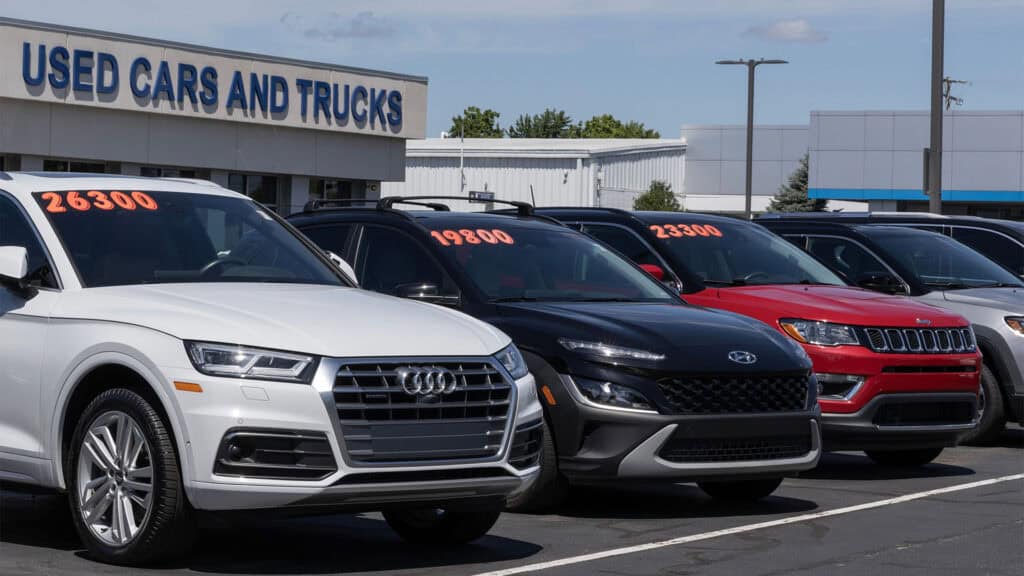
EVs are already around $9,000 more expensive than comparable gas-powered models, and without the $7,500 incentive, many new EVs, particularly entry-level and mid-range models, will effectively cost more. Dealers may respond with stronger financing offers or promotions, especially as manufacturers adjust to shifting consumer interest.
The used EV market is also likely to feel the effects. The end of the $4,000 tax credit may lower interest among budget-focused shoppers and lead to weaker resale values, especially for older models.
Meanwhile, gas-powered cars may experience a renewed surge in demand. With EV incentives gone, internal combustion vehicles could regain a price advantage and draw in buyers who might have otherwise gone electric.
What It Means for EV Ownership
Despite the policy shift, EVs continue to offer long-term advantages for many drivers. According to recent estimates, EV owners can still save over $7,000 in fuel and maintenance costs over a 15-year ownership period. However, without the federal tax credit to help offset the higher upfront cost, the payback period will stretch longer, particularly in states that don’t offer additional local incentives.
For consumers, this shift means the decision to go electric becomes less about immediate savings and more about long-term value, energy efficiency, and contributing to reduced emissions. EVs may still make financial sense, but the benefits will take more time to materialize.
That change could make some buyers more hesitant, especially those shopping on tighter budgets or those who previously relied on the tax credit to make EV ownership feasible. In that sense, entry-level and first-time EV buyers may be the ones most impacted.
At the same time, traditional gas-powered vehicles are likely to regain attraction. Especially since they continue to offer a lower upfront cost and wider availability. Brands with strong internal combustion lineups may benefit in the short term, while in the long run, customer demand and technological evolution will decide which models will be the winners.
What Buyers Should Do Now
For anyone considering an electric vehicle, the next few months could be a pivotal moment. The federal tax credits are still available, but only until September 30, 2025. Buyers should confirm which EV models still qualify for the full credit, since eligibility depends not only on price but also on other requirements.
It’s also worth exploring state and local rebates, which in some regions offer thousands of dollars in additional savings. Even after the federal credits expire, these programs may continue to make EVs a smart financial choice.
Most importantly, buyers should look beyond the sticker price and consider the total cost of ownership. EVs typically cost less to maintain, and electricity is still significantly cheaper than gasoline in most parts of the country. Over time, those savings accumulate, potentially offsetting the loss of the tax credit and making electric vehicles a competitive option for years to come.
While incentives are evolving, the industry’s direction remains unchanged. Automakers are clearly betting on electric, and the technology continues to improve in both performance and affordability. With these developments, future EVs might be cheaper or equal to gasoline models.