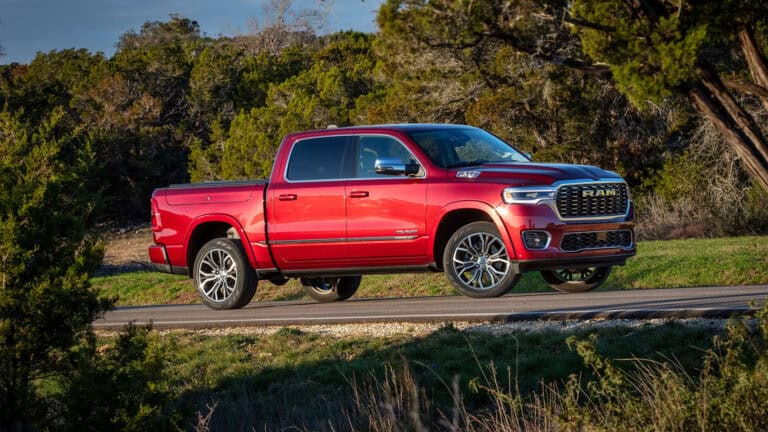

Are Plug-In Hybrids the logical step toward EVs — or a temporary fix?

Plug-in hybrids promise electric savings with gasoline backup, but rising reliability concerns raise new questions.
Not long ago, choosing a car was relatively straightforward. Most drivers selected either a gasoline- or diesel-powered vehicle. Over the past decade, however, the automotive industry has undergone significant change. New fuel technologies have expanded the market, introducing a range of alternative drivetrains that can be confusing even for experienced buyers. Among them is the plug-in hybrid electric vehicle, or PHEV.
PHEV stands for Plug-In Hybrid Electric Vehicle. It combines two worlds: an electric motor that can be charged via a plug and a traditional internal combustion engine (ICE) that uses gasoline. In practice, this means the vehicle can run on electric power alone for short distances (typically 20 to 50 miles) before switching to the gasoline engine when needed.
Compared to a traditional ICE vehicle, which relies entirely on fossil fuels, a PHEV significantly reduces fuel consumption and emissions during daily use. Unlike a Battery Electric Vehicle (BEV), which runs only on electricity and needs regular charging, a PHEV offers more flexibility. If you forget to charge it, the car still functions like a regular hybrid, seamlessly switching to gas when needed.
Are PHEVs reliable?
We’ve seen it across Reddit threads and auto forums; some plug-in hybrid owners are reporting a wide range of issues with their cars. While many of these issues are minor software glitches or infotainment bugs, others are more serious, leaving dealerships unsure how to resolve them. These concerns aren’t just anecdotal. According to a Consumer Reports study, many plug-in hybrid models reported more problems than their traditional gas-powered counterparts. It’s a clear signal that while PHEVs offer flexibility and innovation, combining electric motors with internal combustion engines can lead to added complexity and maintenance challenges.

Common PHEV issues
Internal combustion engines have been used for over a century, and electric motors aren’t exactly new either. They’ve powered trains, industrial machines, and even early cars. But combining both into a single plug-in hybrid passenger vehicle is still relatively fresh territory. PHEVs carry nearly all the hardware of both an ICE and a BEV. Two propulsion systems, dual cooling systems, complex software, onboard chargers, and regenerative braking components.
Plug-in hybrid vehicles combine traditional combustion engines with electric systems, increasing overall complexity and the potential for mechanical or software failures. Problems often include malfunctioning electronics or charging issues.
Even minor electrical faults or software bugs can trigger warning lights or render the vehicle inoperable, even when the engine itself is functioning properly. These incidents highlight how the complex interactions among multiple systems in plug-in hybrids can amplify the impact of otherwise simple faults.
Another issue is charging. Most PHEV cars on the market can only be charged at a wall outlet or low-voltage charging station, which has limited capacity, and for a bigger battery, a full recharge can take several hours. In comparison, new EVs can be charged at 400 kW charging facilities, giving over 200 miles of range in just 10 minutes.
Should you trust a PHEV long term?
Despite occasional reliability concerns, plug-in hybrid vehicles remain a practical choice for many drivers. For drivers who experience range anxiety or frequently travel through areas with limited charging infrastructure, a plug-in hybrid can provide a balanced alternative. When charged regularly, these vehicles can deliver significant fuel savings compared to traditional gasoline engines.
Potential buyers should thoroughly research before making a decision. Considering home charging capabilities and battery size are key factors in determining whether it’s worth the extra price tag. Reviewing owner feedback and checking for recalls or known issues can provide a clearer picture of a model’s reliability and long-term performance.
How about the battery life?
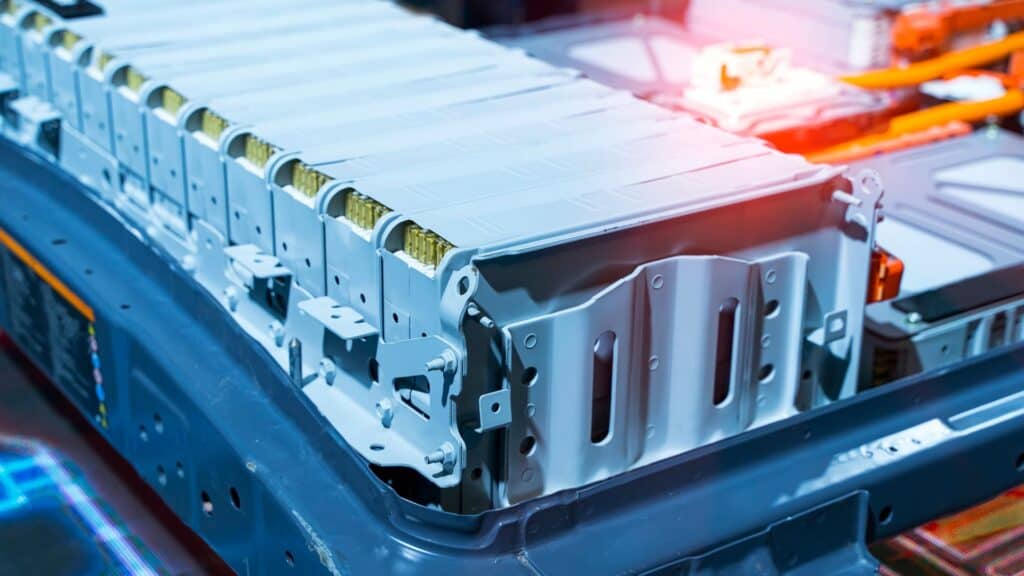
Battery life is a common concern among buyers, but available data suggests those worries are often overstated. Plug-in hybrid batteries are smaller than those in fully electric vehicles and benefit from advanced management systems that slow degradation, allowing them to remain reliable over years of regular use.
Data from the U.S. Department of Energy and Recurrent indicates that fewer than 1.5 percent of plug-in hybrids and electric vehicles have required a battery replacement since 2011, with the rate dropping below 1 percent for newer models. These batteries are engineered to withstand thousands of charge cycles, typically exceeding 100,000 miles of pure electric driving. Most manufacturers offer dedicated battery warranties lasting 8 to 10 years or up to 150,000 miles.
Although replacement costs can be high, the vast majority of owners never encounter battery failure. For most drivers, the original battery remains serviceable well beyond the warranty period with minimal performance loss.
What PHEV to buy?
For drivers considering a plug-in hybrid, two models consistently rank among the most frequently recommended. Both are recognized for combining strong performance with reliability and come from manufacturers with established experience in hybrid technology. Their practicality for daily use and relatively low maintenance requirements make them solid options for long-term ownership.

Toyota RAV4 Plug‑In Hybrid (RAV4 Prime)
The RAV4 Prime has established a strong reputation as one of the most dependable plug-in hybrids available today. It regularly earns high reliability scores from J.D. Power, and owners consistently praise its trouble-free performance. Toyota backs the battery with a generous 10-year/150,000-mile warranty, which speaks to their confidence in the system. It offers up to 52 miles of electric driving, which is often enough for daily commutes without requiring any fuel.
Hyundai Tucson Plug-In Hybrid
The 2026 Hyundai Tucson Plug-In Hybrid ranks #3 out of 12 Plug-In Hybrid SUVs and earns a strong 8.9 out of 10 U.S. News Score, reflecting its well-rounded performance and value. It can travel up to 32 miles on pure electric, and the powertrain delivers 268 horsepower from its turbocharged engine and electric motor. Standard all-wheel drive, a smooth six-speed automatic transmission, and an EPA-estimated 35 mpg combined once the battery is depleted make it practical for daily driving. With seating for five, a spacious interior, and generous standard features, it stands out as a stylish and capable two-row PHEV in its class.
Like any complex technology, plug-in hybrid vehicles have their share of challenges. However, newer models continue to show improvements in reliability. Research thoroughly before purchase, reviewing owner feedback, and choose manufacturers with established experience in plug-in hybrid systems. Taking these steps can reduce the likelihood of unexpected issues and lead to a more dependable ownership experience.