
Is range anxiety still a real problem? The truth might surprise you
From longer range to faster charging, the EV experience has changed more than you think.
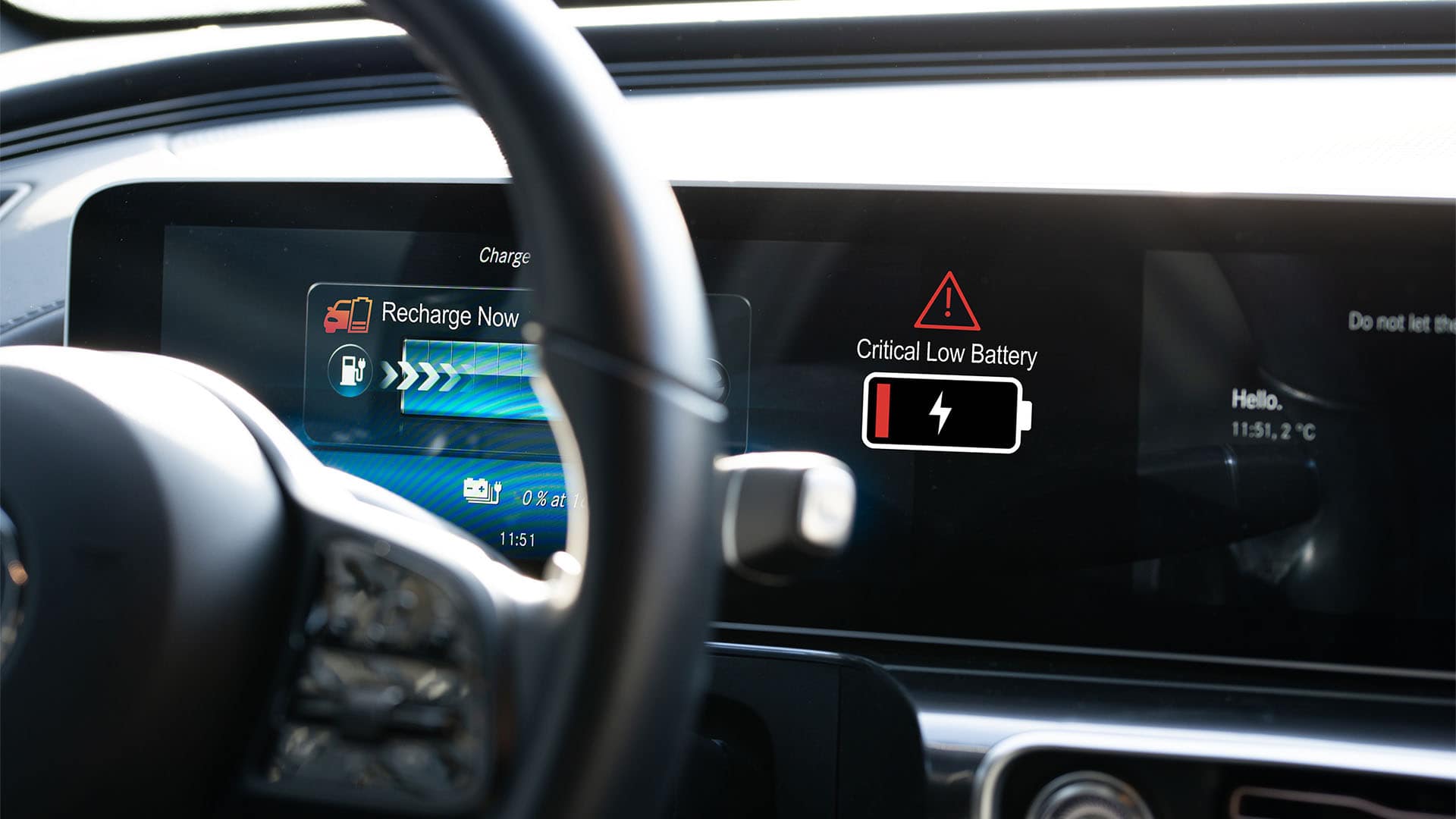
Not too long ago, range anxiety was one of the biggest concerns holding drivers back from switching to electric vehicles (EVs). Critics often claimed EVs didn’t have enough range for daily use and argued they couldn’t even make it through a full day’s drive on a single charge. Others pointed to long charging times as a major inconvenience compared to a quick stop at the gas pump. The fear of running out of battery before finding a charger felt very real, especially in rural areas or on long road trips. But in 2026, the EV landscape looks different.
So, is range anxiety still a thing? We looked at what real EV drivers are saying, and the numbers tell an encouraging story.
EVs go much further than you might think

When EVs first hit the mainstream, most models could barely crack 100 miles per charge, which seems almost laughable in 2026. Even today, it is important to note that extreme weather, whether hot summers or freezing winters, can temporarily reduce an EV’s range. Thanks to improved battery management systems, larger battery packs, and new chemicals, modern EVs offer more than enough range for most drivers, even in tough climates. In 2026, many new EVs can go well beyond 300 miles, with some luxury and performance models pushing past 400 miles per charge.
Here are just a few examples of current 2026 model ranges:
- Lucid Air: Up to 410 miles
- Chevrolet Silverado EV: Up to 400 miles
- Mercedes EQS: Up to 400 miles
- Tesla Model S: Up to 320 miles
- Hyundai Ioniq 6: Up to 300 miles
For the average driver, who covers about 37 miles a day, these numbers mean days or even a full week between charges.
Charging getting faster
One of the biggest breakthroughs in recent years isn’t just the battery range. It is the charging speed. Automakers have clearly listened to customers and prioritized quicker charging in their newest models. At the same time, charging technology has advanced rapidly, with new hardware and software improvements pushing charging speeds to new levels. More and more carmakers are introducing 800 Volt electrical architecture, capable of charging up to 400kw. For example:
- Lotus Emeya : Maximum charge rate: 400kW Charge time: 10 to 80 per cent in 14 minutes
- BMW iX3: Maximum charge rate: 400kW Charge time: 10 to 80 per cent in 21 minutes
- Audi e-tron GT: Maximum charge rate: 320kW Charge time: 10 to 80 per cent in 18 minutes
The charging network is catching up
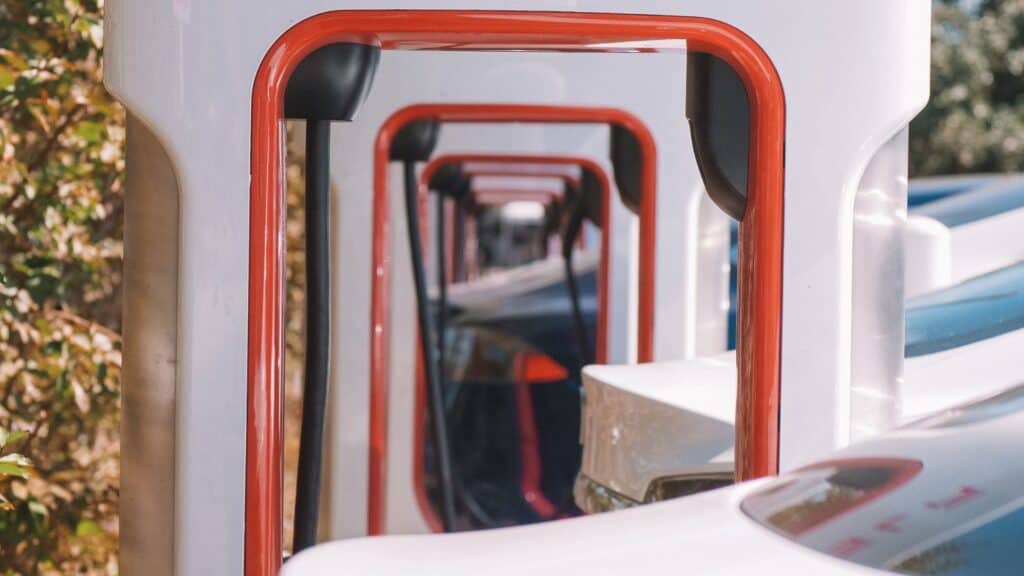
A few years ago, the limited charging network was a legitimate concern. But today, EV charging stations are multiplying across the country thanks to both public and private investment. The National Electric Vehicle Infrastructure (NEVI) program, launched under the Biden administration, originally aimed to build 500,000 public charging stations by 2030. While the program has since been paused by the current administration, thousands of chargers funded by earlier efforts are already in operation in 2026.
Tesla’s supercharger network remains the gold standard, but many of those stations are now open to non-Tesla EVs as well. Meanwhile, Electrify America, EVgo, and ChargePoint continue to expand their footprints, especially along major highways, urban centers, and even in smaller towns.
Apps like PlugShare and A Better Routeplanner help EV drivers plan routes, find available chargers in real-time and even filter by charging speed.
What EV drivers are saying
Surveys and anecdotal reports show that range anxiety is fading fast, and it is most pronounced among people who have not yet owned an EV. Around a third of potential buyers worry about range, only 1–2% of actual EV drivers have ever experienced a genuine range-related issue, and most say the concern disappeared within their first month.
A Tesla Model 3 owner shared on Reddit: “What eliminated my range anxiety once and for all was a family road trip from Seattle to Bend and Crater Lake in April. The real turning point came during the drive from Bend to Crater Lake. Back then, there were no superchargers along the route, which meant we would have had to detour to Klamath Falls to recharge. But, to our surprise, that detour wasn’t necessary. We topped up for just 20 minutes on a Level 2 charger within the national park and made it back to Bend with 15% charge remaining. That experience gave me complete confidence in the EV’s range.”
So, is range anxiety still a thing?
For most EV drivers in 2026, the answer is no. Range might still cross the minds of first-time buyers or people living in remote areas, but for the majority of EV owners, range is no longer a daily concern. Like gas station stops, charging becomes just another part of the routine, and one that often happens while you’re sleeping. For non-EV owners, however, it’s a different story. But once they own an EV, they quickly realize how easy it is to adapt, and range anxiety starts to fade. Plus, as more people switch to EVs, it becomes easier to find someone in your circle with experience, which helps you understand how to manage the range factor.