

How can you make your car last (almost) forever
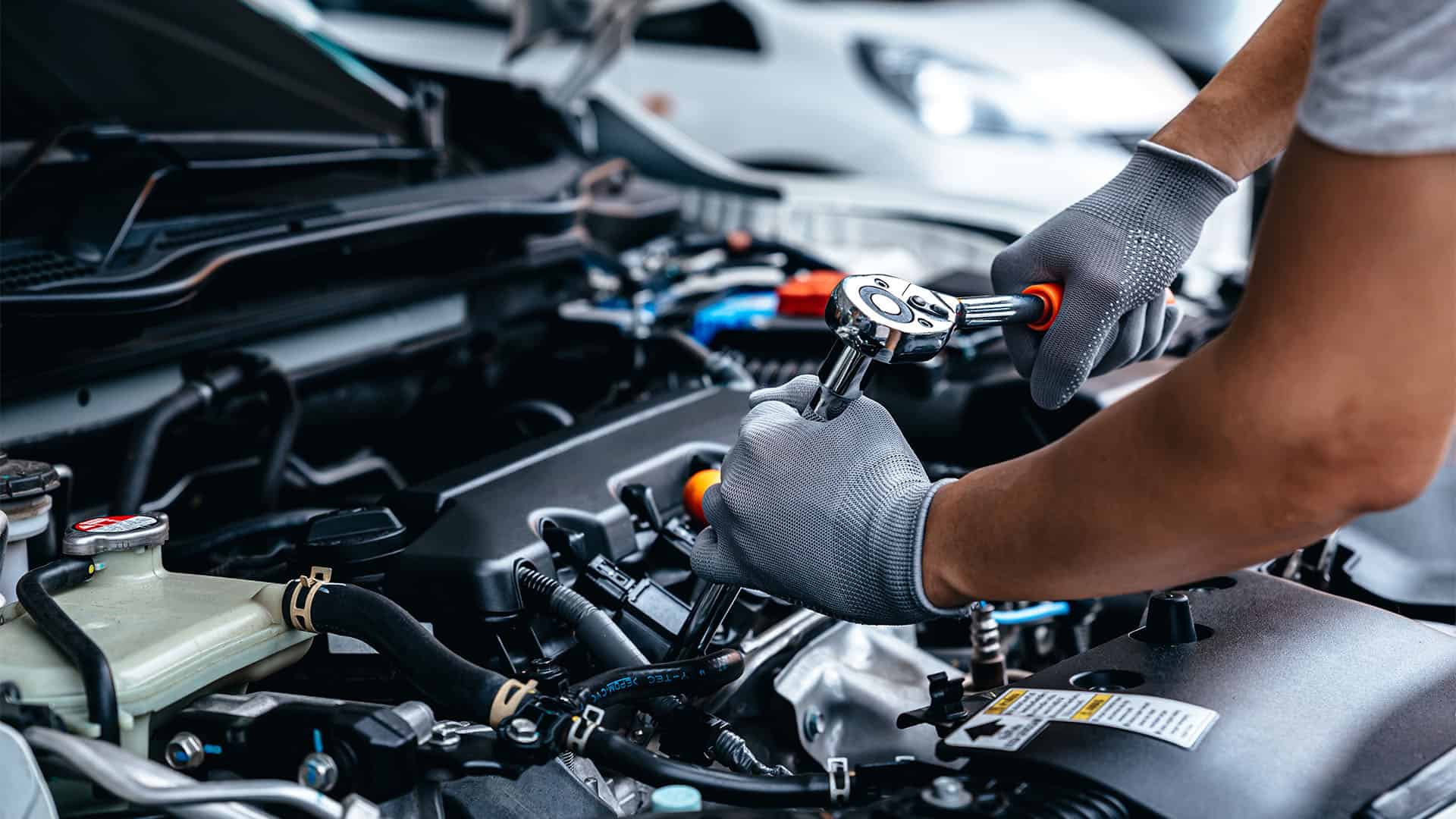
Cars are complex machines built to last, but many owners treat them like appliances, only considering maintenance when something goes wrong. With consistent care and thoughtful habits, however, your vehicle can far outlive your expectations.
One of the most essential elements of car ownership is basic, routine maintenance. For petrol cars, this starts with regular oil changes. Many drivers argue that dealerships charge too much for oil changes, but still, the cost is minor compared to the price of a complete engine repair. For anyone concerned about the expense, learning to perform an oil change at home is a practical way to save money while keeping the car running reliably.
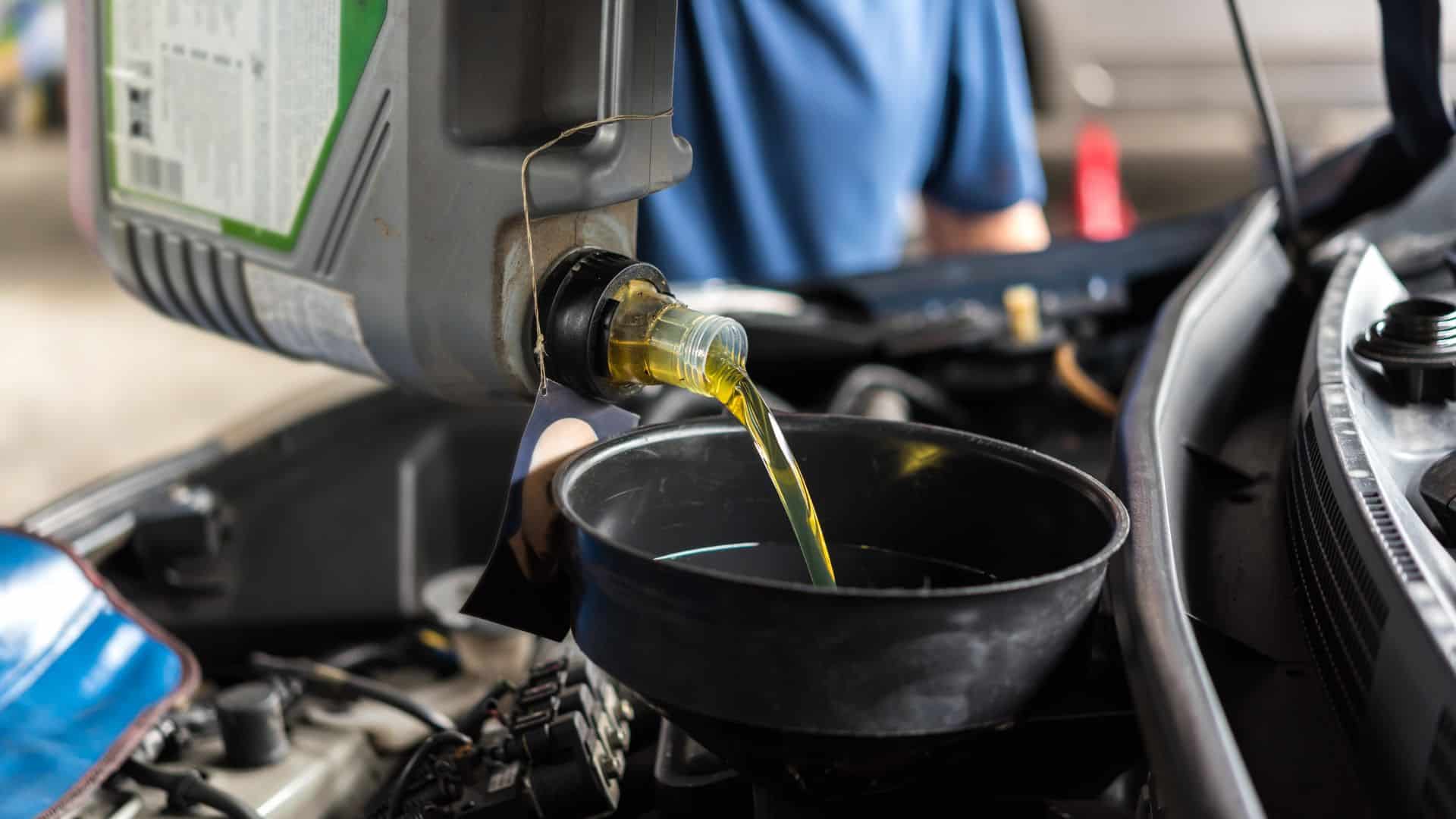
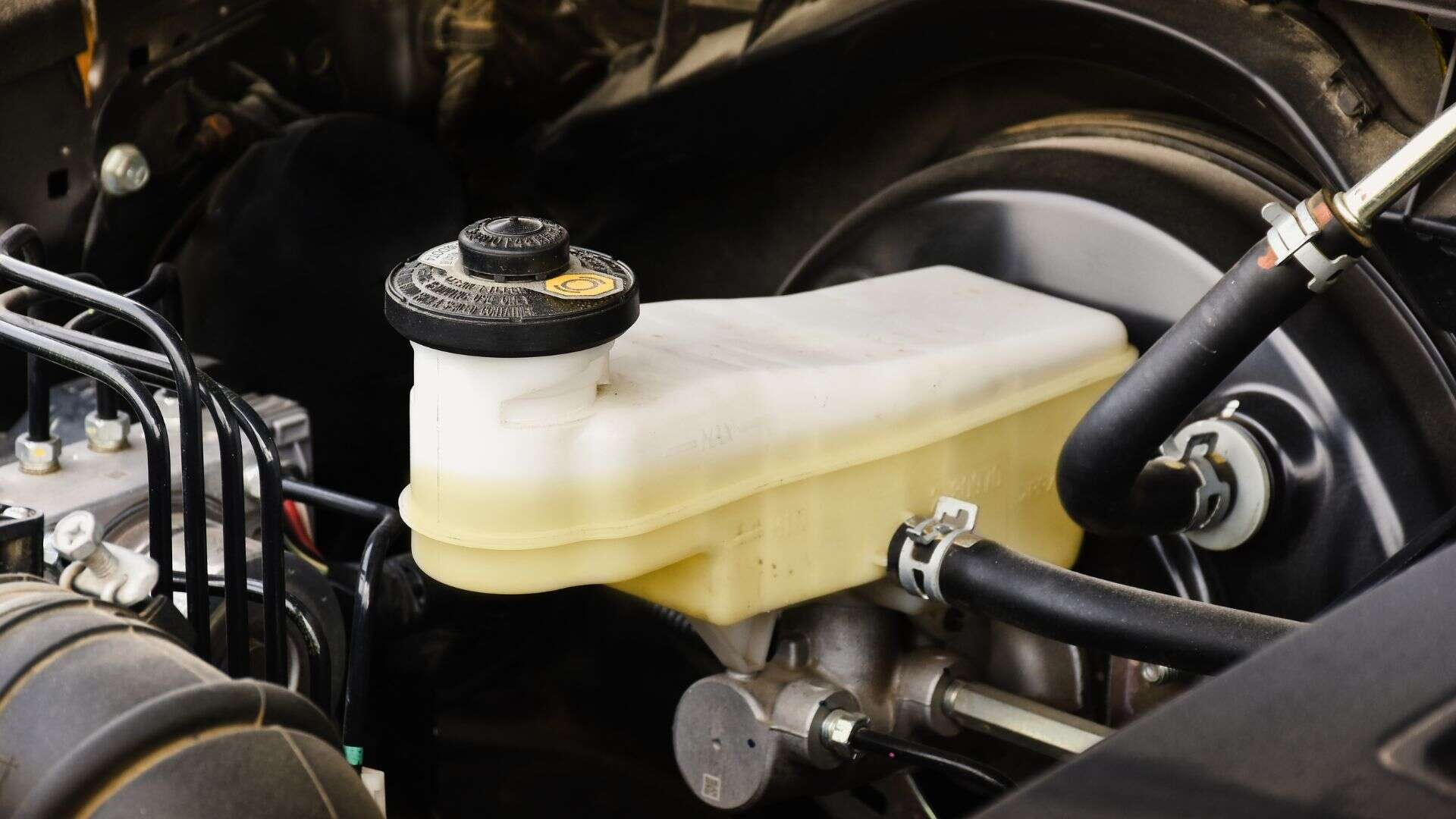
Monitoring all of the essential fluids in your car is another important factor in maintaining its lifespan. Coolant, brake fluid, transmission fluid, and power-steering fluid all perform critical functions and need regular replacement, just like engine oil. Regular checks and scheduled replacements help prevent mechanical issues.
Driving behavior plays a significant role in a vehicle’s long-term durability, too. Hard acceleration, aggressive braking, or reckless driving can wear out components, even when mileage remains low. Passenger cars are not designed for racing, and when driven typically, they don’t require as much maintenance as racing cars. With careful driving, owners can significantly extend the vehicle’s lifetime.
Many drivers don’t realize that mileage alone isn’t the best indicator of a vehicle’s health. Vehicles used primarily for short, frequent trips often experience more wear than cars driven long distances on the highway. The reason is simple: a cold engine lacks proper lubrication, and most engine wear occurs before it reaches normal operating temperature. Repeated cold starts and short trips can cause greater internal damage and shorten the engine’s lifespan than steady, long-distance driving.

Catching minor issues early is one of the simplest ways to extend a vehicle’s life. Drivers should not only operate the car but also pay attention to how it feels and sounds. Unusual noises, vibrations, or changes in performance almost always have a cause, and a quick inspection can reveal developing problems before they escalate. In many cases, replacing a minor component, such as a belt or sensor, can prevent far more expensive failures. Addressing minor warning signs early keeps repair costs lower and helps the vehicle remain reliable for years.
Component quality is another major factor in long-term vehicle reliability. Oils, fluids, and spare parts vary widely, and choosing the correct ones is often one of the most challenging tasks for any mechanic. Using the vehicle’s VIN number to identify the exact specification in the parts catalog is essential, especially for engine oil. Viscosity alone, such as 0W-20, is not enough to choose an oil. Each manufacturer requires specific standards that match the engine’s design.
The same principle applies to replacement parts. High-quality components, preferably original or equivalent, help prevent premature failures. A cost-effective strategy is to identify the supplier brand behind the OEM part and buy the identical aftermarket version from that supplier. In most cases, the component is effectively the same product in a different box, offered at a significantly lower price.
Lastly, a clean car is often a reliable car. Regular washing and occasional waxing protect the paint and exterior components from road debris and salt that can corrode surfaces. Routine cleaning also helps drivers spot minor issues early, such as stone chips or small paint cracks. Addressing these scars before they develop rust is an effective way to prevent long-term damage and preserve the vehicle’s structural integrity.
Even with the best intentions, vehicles are mechanical machines with a defined lifespan in terms of years and mileage. Regular professional maintenance can significantly extend that life, but not every model is engineered to last the same way. Some vehicles have earned strong reputations for long-term durability, while others are known to develop issues early. Choosing a reliable model is as important as maintaining it well.
Automakers generally design cars to perform reliably when appropriately maintained, yet variations in engineering, components, and design choices mean some models age better than others. Understanding these limits helps set realistic expectations and make informed decisions about long-term care.