
With fuel prices rising here’s how to get more miles from every tank
If it feels like every trip to the petrol station costs more than the last, you’re not imagining it. Here is how to take back control.
Fuel prices have been climbing steadily, driven by ongoing geopolitical tensions and global supply pressures, and there’s little indication that relief is around the corner. The impact doesn’t stop at the pump either. Higher fuel costs ripple through the entire economy, pushing up the price of groceries, deliveries, and even everyday essentials. In a landscape like this, getting more miles out of every tank is a must to take back some control over your monthly expenses.
It’s also worth noting that while many drivers focus already on fuel costs, it is just one component of the total cost of ownership, which also includes maintenance, wear and tear, and depreciation.
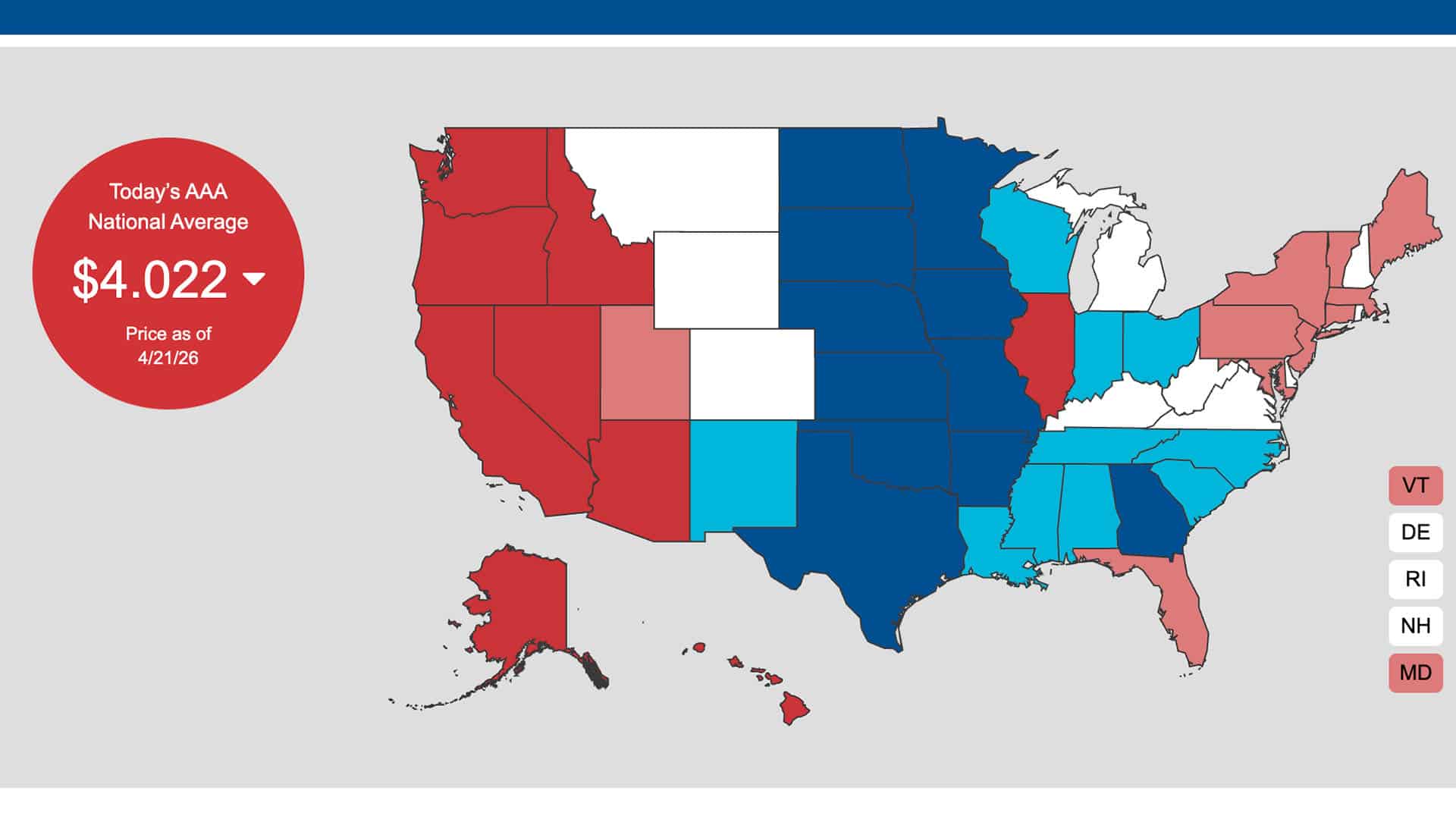
According to AAA, the national average is now just above $4.0 per gallon, slightly lower than $4.11 a week ago, but the slight downward trend doesn’t mean prices will fall back to the previous month’s level anytime soon. Energy forecast reports suggest fuel prices could average well above $3.70 per gallon throughout 2026, with peaks near $4.30.
Due to the price increase, more and more people think about how to save on fuel to keep their finances under control.
Plan your route

Many people understand the value of planning their day to stay productive and efficient, and the same principle applies to your driving. Planning your route in advance is one of the simplest ways to cut fuel costs. Start by listing all the places you need to go, then map them out in a logical order to avoid multiple back-and-forth trips.
It’s also worth reconsidering grocery shopping between many stores and locations. Saving a small amount on a product often doesn’t offset the fuel, time, and wear on your car required to get there. Tools like Google Maps can help optimize your route and even suggest fuel-efficient options based on traffic conditions.
Finally, factor in traffic: sitting in congestion burns fuel without getting you anywhere, making it one of the least efficient ways to drive. A bit of planning upfront can translate into meaningful savings over time.
Driving habits
Driving behavior has a direct and measurable impact on fuel consumption. Aggressive acceleration and high-speed driving increase fuel consumption. Maintaining a steady, moderate speed, especially on highways, helps optimize efficiency.
Sudden braking is also inefficient, as it wastes the energy generated during acceleration. A more effective approach is to anticipate traffic conditions: easing off the accelerator early when approaching red lights or slow-moving traffic. Idling should also be minimized, as modern engines do not require extended warm-up periods.
All these small driving behaviors are adding up and slowly ruining your fuel consumption.
Maintenance
Basic vehicle maintenance plays a much bigger role in fuel efficiency than most expect, and small issues can reduce how far each tank lasts. A mechanic from Bay Diagnostic breaks down overlooked factors that directly impact fuel efficiency.
He explains that “Your car’s fuel economy depends on maintenance. Dirty filters, old spark plugs, bad sensors, low tire pressure, and neglected services all make your engine work harder-and burn more fuel”.
Wheel alignment also matters because “poor alignment will cause a decline in mileage,” along with tire condition, since “that’ll cause a mileage issue.”
The overall takeaway is that simple maintenance decisions and inspections can meaningfully improve fuel economy.
Simple habit changes
Small habit changes can make a noticeable difference in fuel consumption over time, especially when they reduce unnecessary trips and overall mileage. Working from home when possible eliminates daily commuting altogether, which is often the biggest contributor to fuel use for many people. Carpooling with family, friends, or colleagues is another practical way to share costs, cut the number of vehicles on the road, and reduce wear and tear on your own car.
Even small adjustments, such as parking in a central location and using public transport when available, can reduce unnecessary driving. Together, these practical changes don’t require major lifestyle shifts, but they steadily add up to lower fuel costs and better overall efficiency.
Drive less when possible
Reducing fuel consumption to zero is only possible by not driving. While this may seem obvious, it is often overlooked in daily routines. Replacing short car trips with alternatives such as public transport, walking, or cycling can significantly reduce fuel expenses over time. Although this approach is not practical in every situation, even small adjustments, such as choosing not to drive when a viable alternative exists, can lead to measurable savings. An added benefit is reduced vehicle wear and, in some cases, increased physical activity.