
U.S. roads feel less predictable as driving behavior worsens, according to new nationwide survey
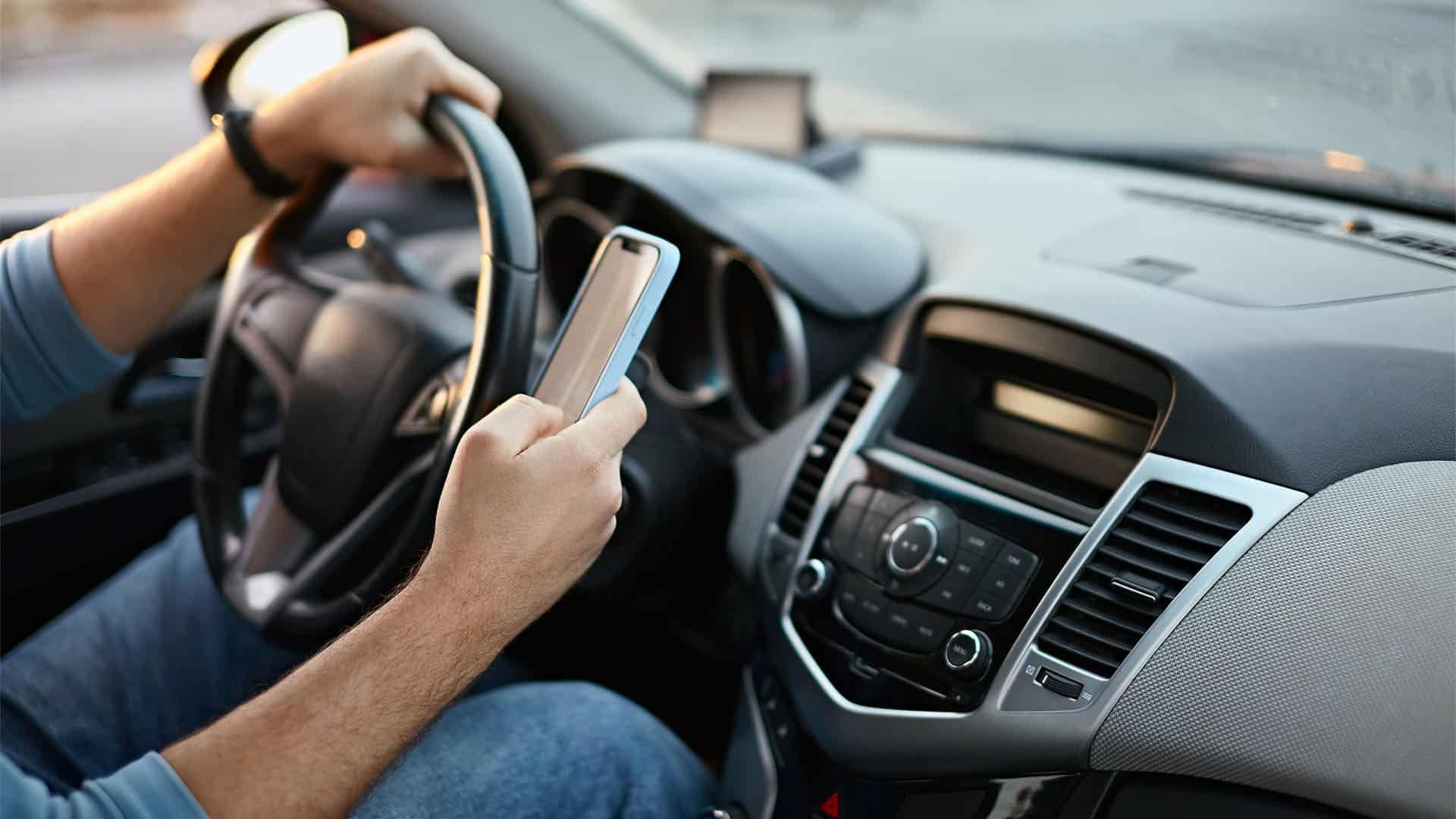
More drivers say the road feels distracted and harder to predict as trust behind the wheel continues to slip.
Driving always requires a certain level of trust. Drivers assume others will stop at red lights, stay off their phones, and make reasonably predictable decisions behind the wheel. But new data shows that confidence is starting to crack, and Americans now say the road feels more stressful and less stable than it did just a year ago.

Drivers say the road feels more aggressive and less predictable
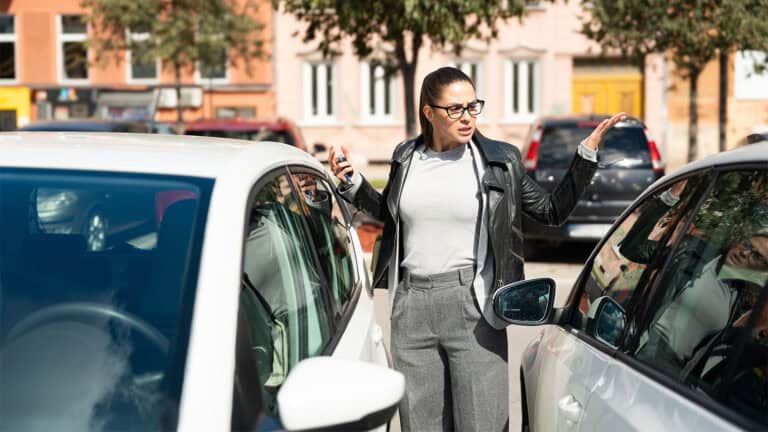
A new survey by Nationwide found that many Americans believe driving behavior on the roads has gotten worse over the past year. Nearly 9 in 10 drivers said phone use behind the wheel has increased, while many also reported seeing more reckless and aggressive driving on a regular basis. This is changing how people emotionally experience everyday driving. According to the survey, 40% of drivers say they feel stress while driving, while more than two-thirds report frequently witnessing road rage incidents.
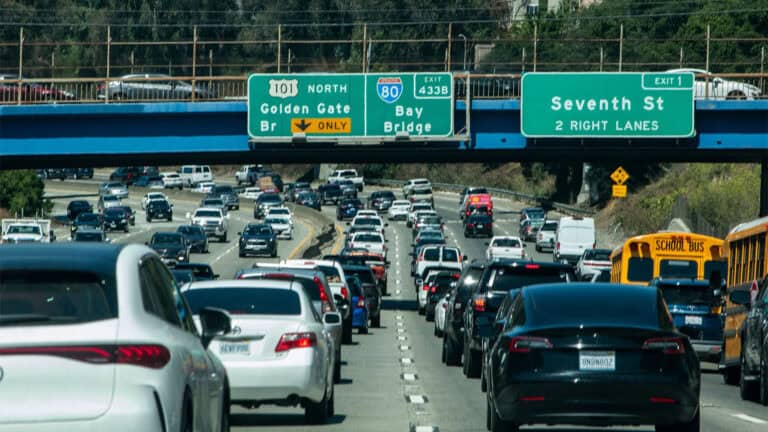
This is something that many drivers already feel intuitively during their commute. Traffic no longer just feels crowded, but it’s become unpredictable. More than ever, drivers are encountering sudden lane changes, distracted behavior at intersections, speeding, tailgating, and visible frustration from other motorists. Even short drives can feel mentally exhausting when people expect mistakes or aggression from the cars around them.
Parents are more anxious about teen driving
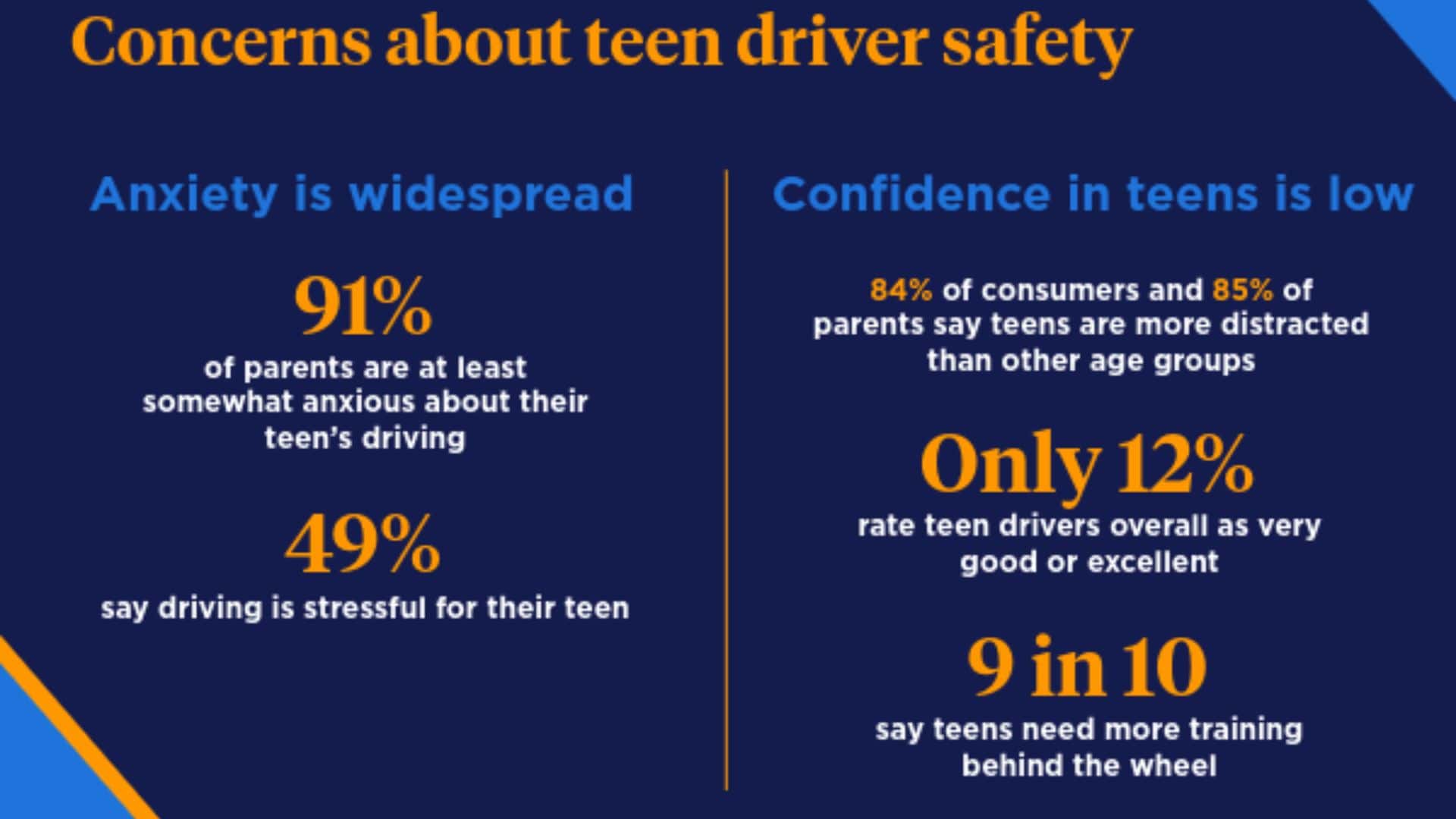
The survey also focused heavily on parents of teen drivers. According to the findings, 91% of parents reported feeling at least somewhat anxious about their teen’s driving. Nearly half also said driving is stressful for their teenager. At the same time, confidence in young drivers remains low, with only 12% of respondents rating teen drivers as “very good” or “excellent.”
That anxiety seems to be reshaping how some parents look at safety technology. 40% of parents said they would trust an autonomous vehicle over their teen driver in certain situations, which was a bit shocking, considering the majority usually feel the opposite about their safety in a self-driving car. Either way, it says a lot about how uncertain the roads feel. Many parents appear caught between two imperfect options: inexperienced human drivers or technology that still makes people uneasy.
Commercial drivers say the problem is getting worse
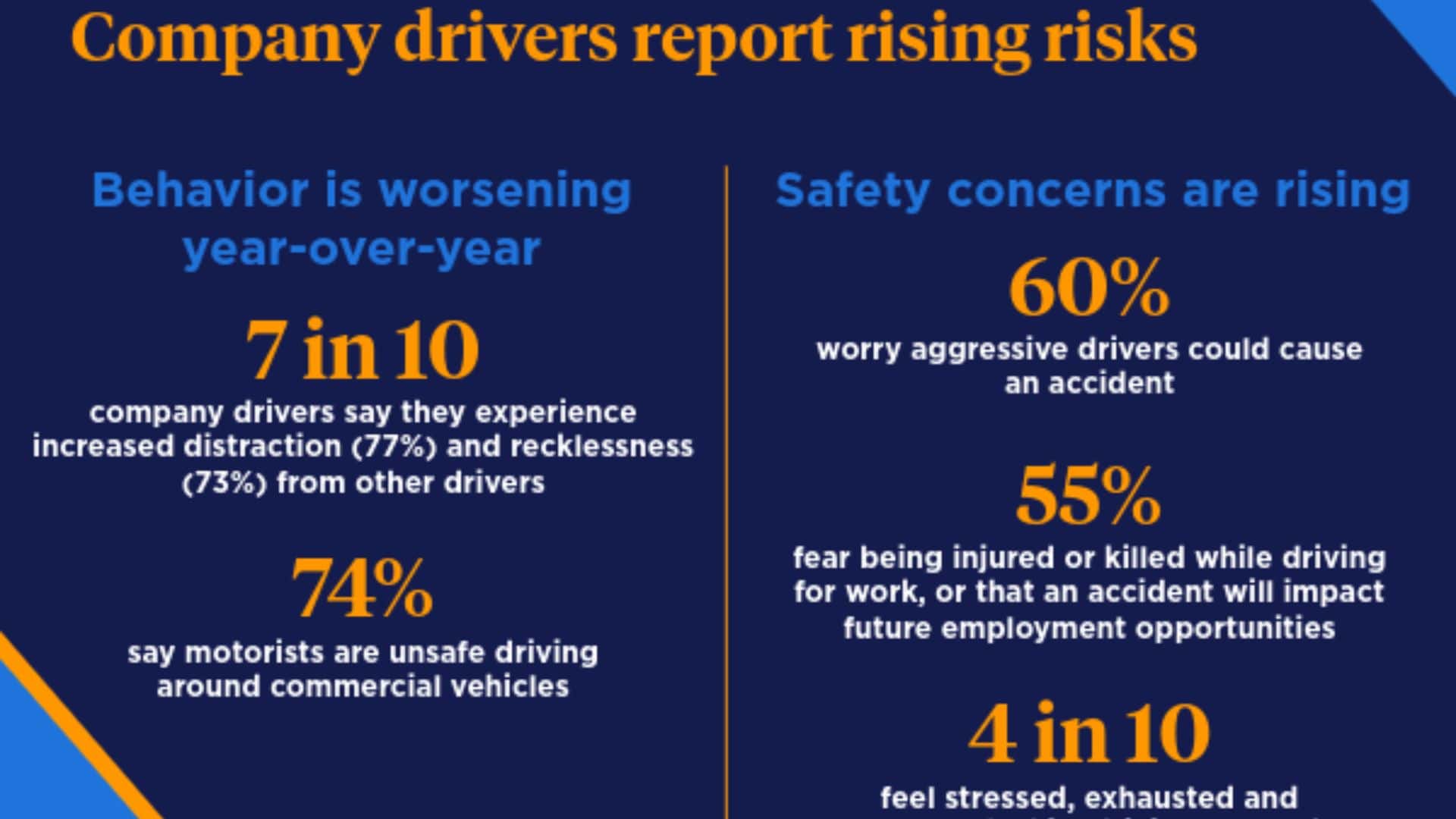
Commercial and company drivers, who spend far more time on the road than the average commuter, reported seeing many of the same trends. According to the survey, company drivers reported noticeable increases in distraction, reckless behavior, and unsafe driving around larger vehicles compared to last year’s survey. Nearly half said they feel stressed, exhausted, or frustrated while driving for work, and 60% worry that aggressive drivers could cause an accident.
This particular group’s opinion is significant because they have one of the clearest views of changing road behavior. They spend hours navigating highways, urban traffic, and delivery routes every day. When that group consistently reports worsening behavior, it suggests these frustrations are not isolated incidents or social media exaggerations. The survey also found that risky habits are not limited to passenger vehicles. About one quarter of company drivers admitted they are at least sometimes distracted behind the wheel themselves.
The growing loss of trust on the road
After reading the study, I honestly felt I was not the only one who had had these exact feelings on the road lately. Driving simply feels more unpredictable than it used to. You notice more impatience, more distraction, and more aggressive reactions over small situations that never would have escalated before.
While none of us can control other drivers’ behavior, there are still a few things that can make everyday driving safer and less exhausting. Giving yourself extra time, keeping a larger following distance, avoiding distractions completely, and refusing to engage with aggressive drivers can significantly reduce both stress and accident risk. Sometimes the smartest move is simply letting someone else rush ahead while you stay calm and focused.
At the same time, I think this worsening driving culture will push more people toward vehicles with advanced driver assistance features and eventually autonomous driving technology. Systems like adaptive cruise control, lane-keeping assist, automatic emergency braking, and driver monitoring are increasingly seen as tools that help people feel safer in increasingly chaotic traffic. As roads continue to feel more stressful and unpredictable, it would not be surprising to see many drivers actively seeking cars that can reduce stress, improve safety, and make daily commuting feel manageable again.