
This guy just made the most accurate car ownership cost record

A Redditor tracked every dollar of owning a car for eight years, and the results shatter what we think about car costs.
What is rarely discussed when considering a car’s price is the total cost of ownership (TCO). This is the full picture of what it actually costs to keep a car on the road over time. That includes fuel, maintenance, repairs, insurance, taxes, oil, wear and tear, and the slow drip of expenses that don’t feel dramatic until you add them up.

The story
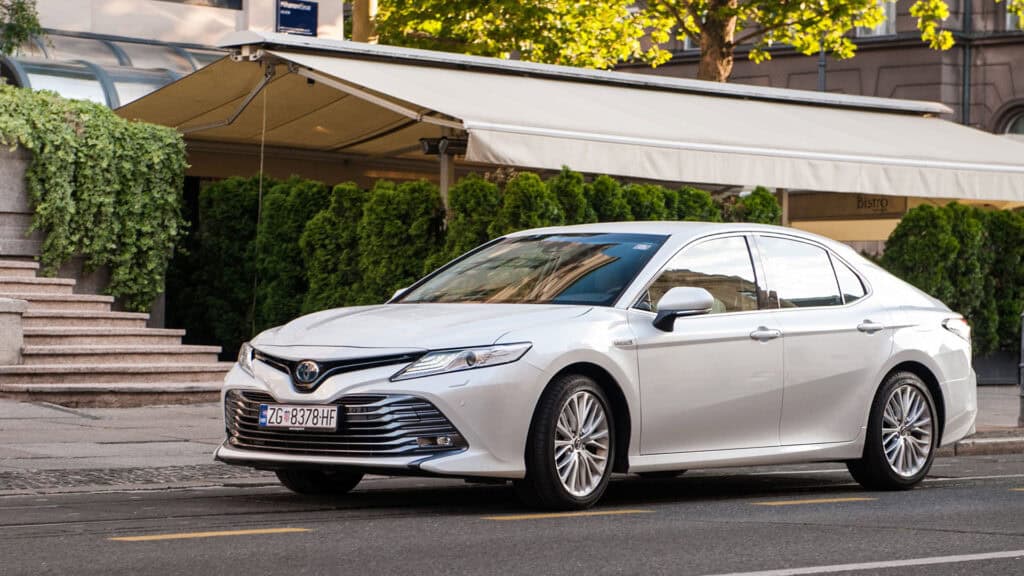
Car ownership is a huge part of everyone’s life, so it deserves proper accounting. On Reddit, a Toyota owner shared how he tracked every single cost of owning a paid-off 2007 Toyota Camry over eight years and more than 140,000 miles. No estimates, just receipts, and an outcome that surprised many people.
After buying the Camry for $6,000 in cash at the end of 2017, he logged every expense in Excel. Fuel, oil, maintenance, repairs, insurance, and taxes, year after year.
What makes this example stand out is the structure of the calculations. The post broke down costs year by year and categorized them clearly. Purchase, fuel, oil, maintenance, repairs, and insurance/taxes. Mileage was tracked alongside spending, showing cost per mile rather than just dollar totals.
By the end of the tracking period, the Camry had covered more than 140,000 miles under the OP’s ownership, reaching roughly 225,000 miles total. The lifetime cost, including purchase, came out to just under $41,000, or about $0.29 per mile. That number alone reframes a lot of assumptions.
What’s interesting is how the costs evolved. Early on, the purchase cost dominates the chart. Over time, fuel quietly becomes the largest expense, eventually accounting for roughly 41% of lifetime costs, and repairs and maintenance together account for around 26%. Another interesting fact is that Taxes and insurance cost slightly more than maintenance or repair.
The car wasn’t perfect, but after 200,000 miles, each issue sounds normal. It burned oil. EVAP issues stacked up. Sensors failed. Suspension components wore out. But there were no catastrophic failures. No serious engine issues, no dead transmission. As the OP noted, most of the repairs were normal for a vehicle past 150,000 miles, especially for a known “bad year” Camry with oil consumption issues.
That’s what makes this a good example. This wasn’t a unicorn car or a horror story. It’s a realistic, slightly flawed, well-used vehicle. The kind people are constantly told to buy if they want cheap transportation. The data shows what that advice actually looks like in practice.
Reactions
A lot of commenters immediately zeroed in on the discipline behind the data. “Incredible documentation. Ty for the share.” That sentiment popped up repeatedly. People were actually grateful for the time he spent sharing this info. Most of us feel like cars are expensive, but very few ever see it laid out cleanly enough to prove it.
Others did the math and landed on a number that stuck. “You’ve averaged roughly $365/month exclusive of the $6k purchase price… probably a good datapoint for the minimum cost to operate a paid-off car.” The framing mattered because this wasn’t luxury ownership. The cheapest, most responsible way to drive still quietly eats up a few hundred dollars a month.
“Your post will also be eye-opening for the group of folks who seem to believe Toyotas don’t break.” This comment cuts straight to a myth that a lot of people don’t realize they’re carrying. “Buy a Toyota, they last forever!” This gets treated like a financial cheat code, as if reliability means immunity from wear.

What this data shows instead is something more honest. These cars last when they are maintained at this level. Reliability just means fewer catastrophic failures, not fewer expenses. Parts still age, and sensors still die. When you take care of quality things, they indeed last.
Many users noted that this level of data transparency is rare. “People rarely see all the costs in one place… they’ll focus on gas being 25¢ cheaper, meanwhile, that’s a drop in the bucket.” That comment nails it. Gas prices are visible. Repairs, depreciation, and wear are abstract until they aren’t.
There were also practical questions about quality and tradeoffs. “How many days was the car off the road?”
“Almost all repairs were done at shops… usually close to a day for each item.” Either way, Redditors appreciated the way the OP made the dense data feel shareable and human.
Takeaway
Seeing a detailed, long-term breakdown of car ownership costs is rare, and it highlights how expensive “cheap” cars can become. Many owners never total fuel, repairs, maintenance, and downtime. This example shows an average monthly cost of approximately $365 for a 10-plus-year-old vehicle, excluding the original purchase price.
That number inevitably reframes the used-car argument, because a similar monthly fee can lease a brand-new vehicle with modern safety features, updated technology, and far fewer reliability concerns. However, these vehicles often come with limited mileage. The question is no longer whether buying used saves money, but whether the trade-off among reliability, time, and uncertainty remains meaningful when the monthly cost gap has largely disappeared.