There is only one correct way to wear a seatbelt. Here are the typical mistakes to avoid
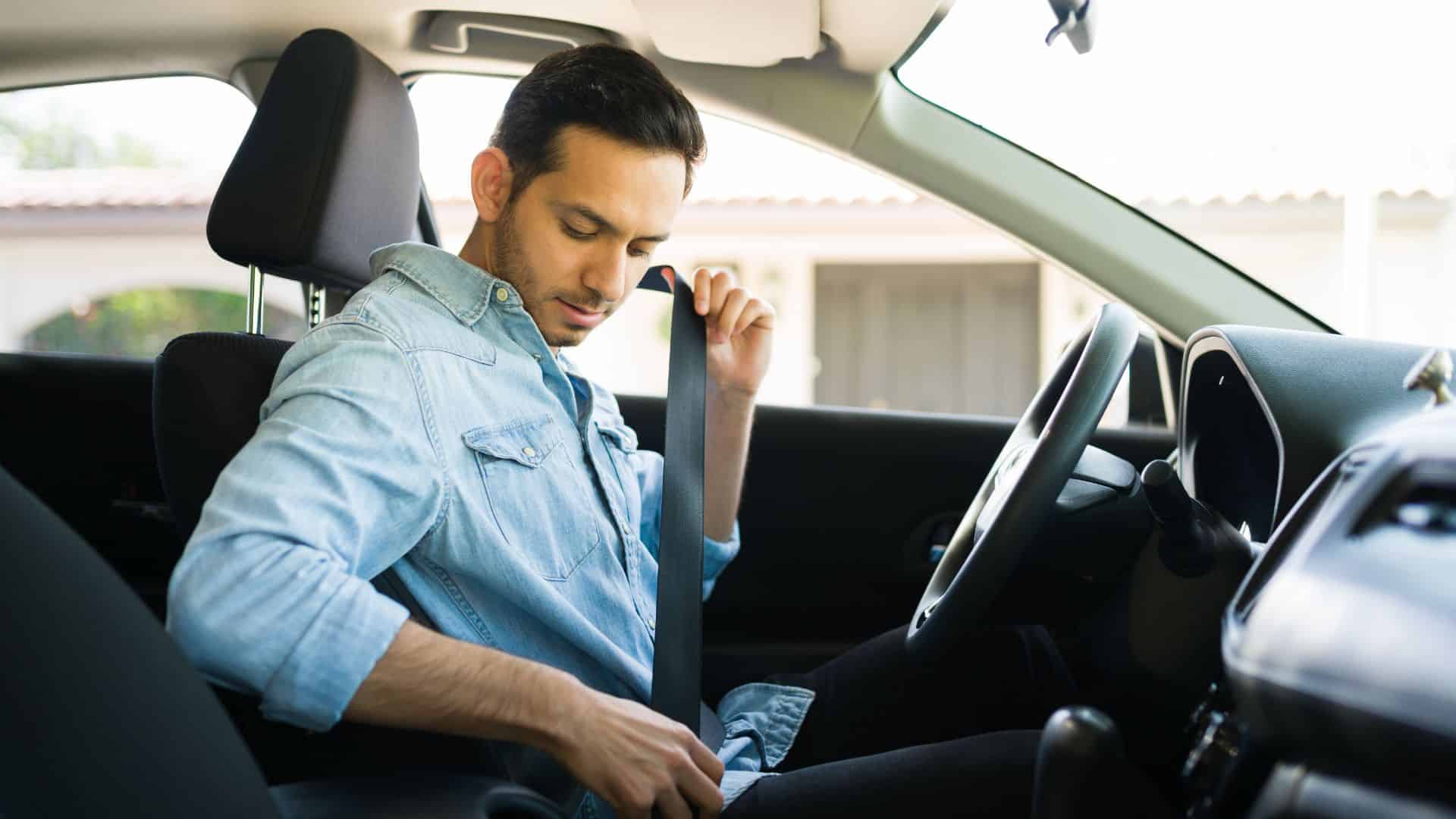
Most people buckle up automatically, but not using a seatbelt can seriously reduce the efficiency of modern safety systems.
Seatbelts have been saving lives for decades, and for most of us, buckling up is so automatic that we barely even think about it. But after looking into it more closely, I realized how often this basic safety feature is still misunderstood.
It’s one of the simplest and most important systems in your car, and one small mistake can make a huge difference in a crash. The modern three-point seatbelt, first introduced by Volvo engineer Nils Bohlin in 1959, became one of the most important safety inventions in automotive history, dramatically reducing the risk of fatal injuries in crashes. Seatbelts save thousands of lives every year in the US alone. But simply clicking a belt into place is not always enough. How a seatbelt sits across the body matters just as much as wearing one.
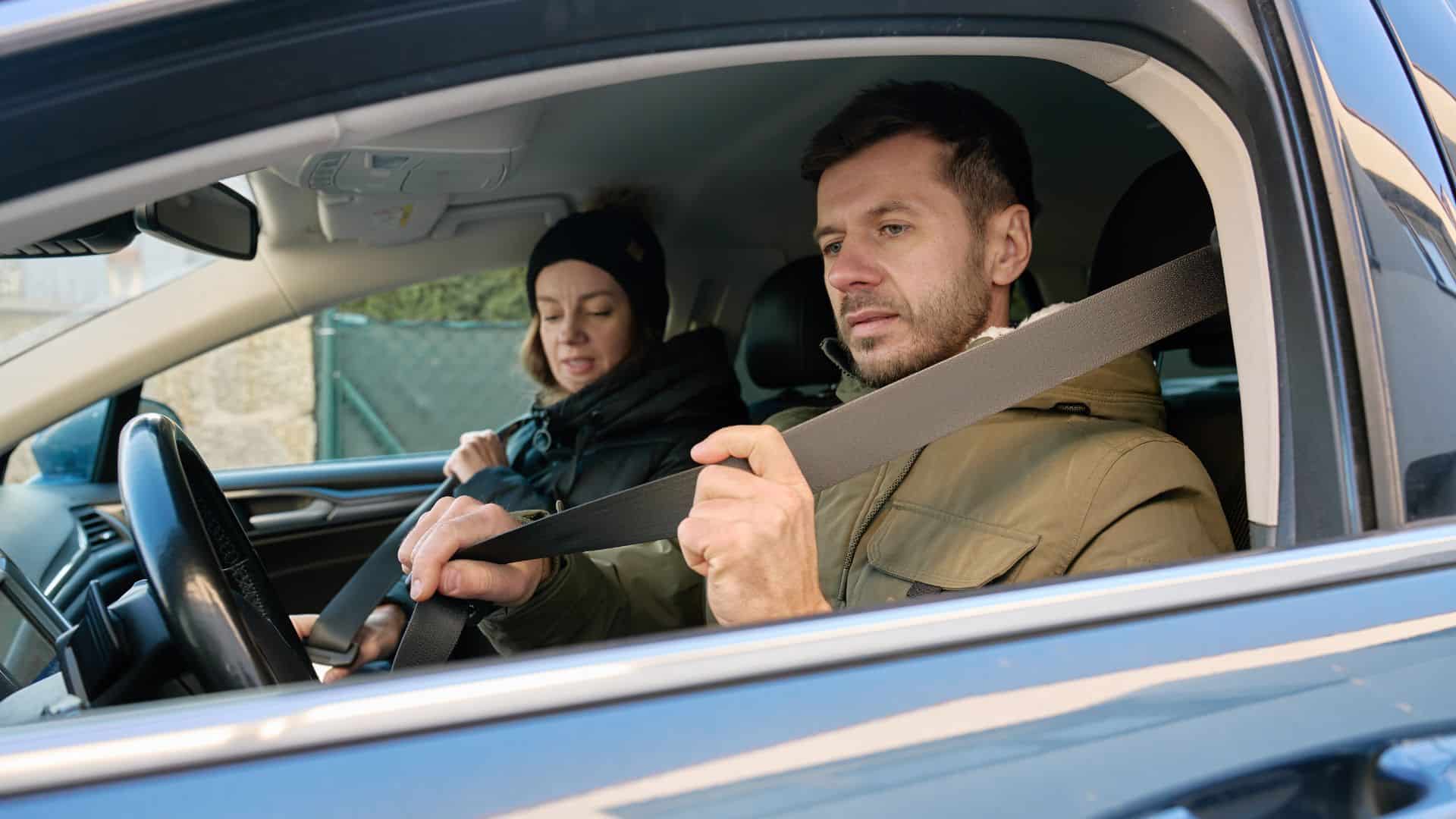
Wearing the shoulder belt under your arm
This is probably the most common mistake, especially for people who find the shoulder strap uncomfortable. Some drivers tuck it under their arm or behind their back because it rubs against their neck or chest. The problem is that the shoulder belt is specifically designed to spread crash forces across stronger parts of the body, including the chest and shoulder. Wearing it under the arm can increase the risk of serious chest, abdominal, and spinal injuries during a crash because the restraint no longer distributes force across the body correctly.
The correct position is plain and simple: the shoulder belt should cross the center of the chest and rest over the shoulder without touching the neck. If the belt’s position feels too high or too low, adjust the belt’s height on the B-pillar.
Letting the lap belt ride too high
A lap belt should never sit across the stomach. Yet many people wear it too high without realizing it, especially when sitting in bulky jackets or slouched seating positions. In a crash, a lap belt worn too high can place force onto soft abdominal tissue instead of the pelvis, increasing the risk of internal injuries. Medical experts refer to this pattern of trauma as “seat belt syndrome,” which can include abdominal and spinal injuries.
The correct placement is low and snug across the hips or upper thighs. The belt should sit on the pelvic bones, which are much better equipped to absorb crash forces.
Wearing the seatbelt too loosely
A loose seatbelt might feel more comfortable during long drives, but it creates dangerous extra movement during a crash. Even a few inches of slack can change how the body moves during a crash. Seatbelts are designed to restrain occupants almost immediately during impact. If the belt is loose, the body gains momentum before the restraint engages, increasing the chances of you hitting the steering wheel, dashboard, or window.
The belt should lie flat against the body with minimal slack. Modern seatbelts are designed to lock and tighten during hard braking or collisions, but they work best when worn snugly from the start.
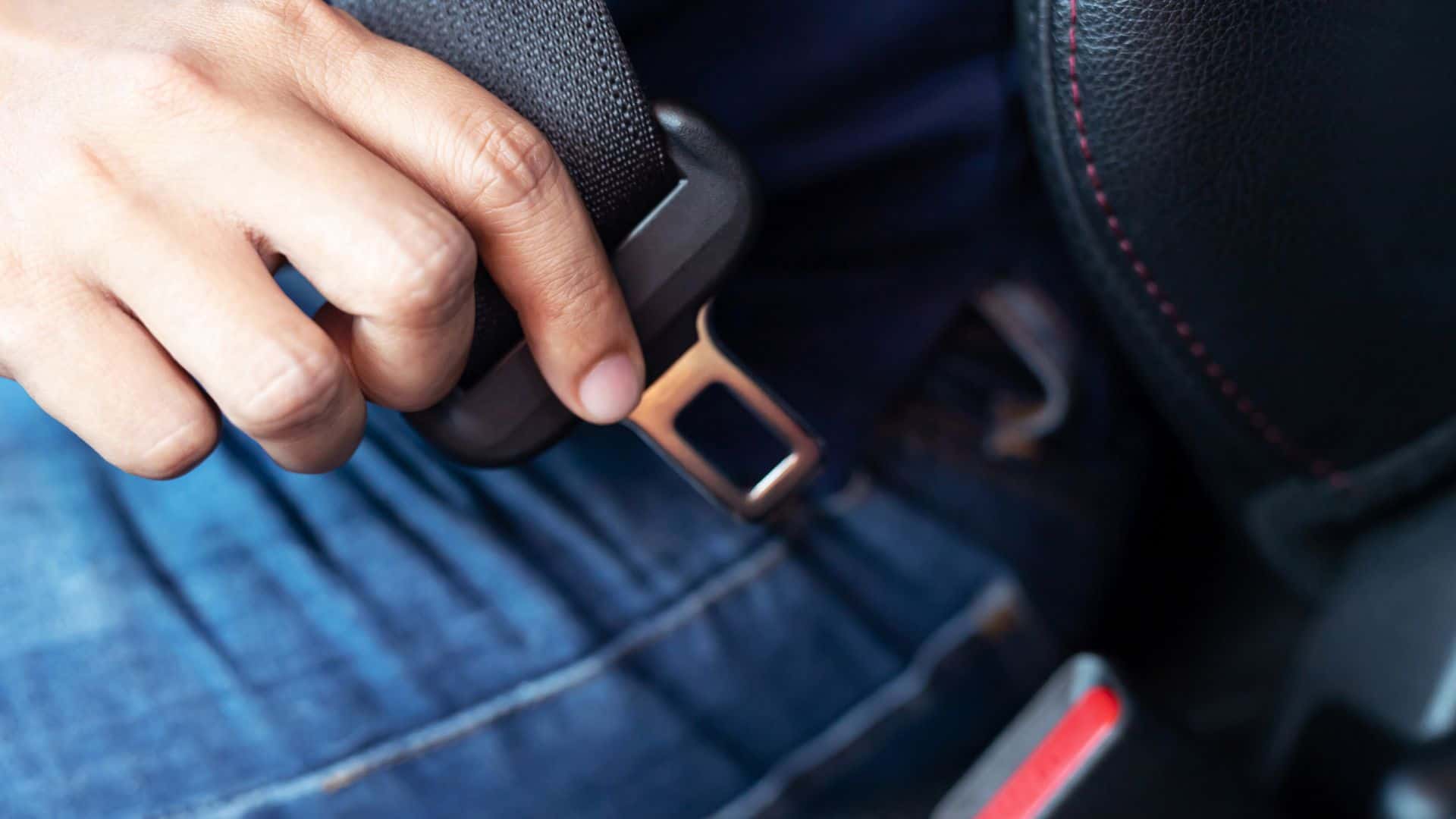
Twisted belt
A twisted seatbelt might not seem like a major issue because it happens so easily and so often. But it actually changes how crash forces are distributed across the body. Instead of spreading force evenly across a wide surface area, a twisted belt concentrates pressure into a smaller area. This can increase the risk of bruising, rib injuries, or even belt failure in severe crashes.
Before driving, it takes only a second to pull the belt flat and check for any twists between the latch and the shoulder anchor.
Sitting incorrectly while buckled
Seatbelts work together with airbags and head restraints. People who recline too far back or lean forward while driving can unintentionally reduce the effectiveness of the restraint system. A heavily reclined seat can cause a person to slide beneath the lap belt during a crash, a phenomenon known as “submarining.” Meanwhile, sitting too close to the steering wheel increases the risk of injury from airbag deployment.
Nonetheless, the safest position is upright with the seat adjusted so the driver can comfortably reach the pedals and steering wheel while maintaining a slight bend in the arms and knees.
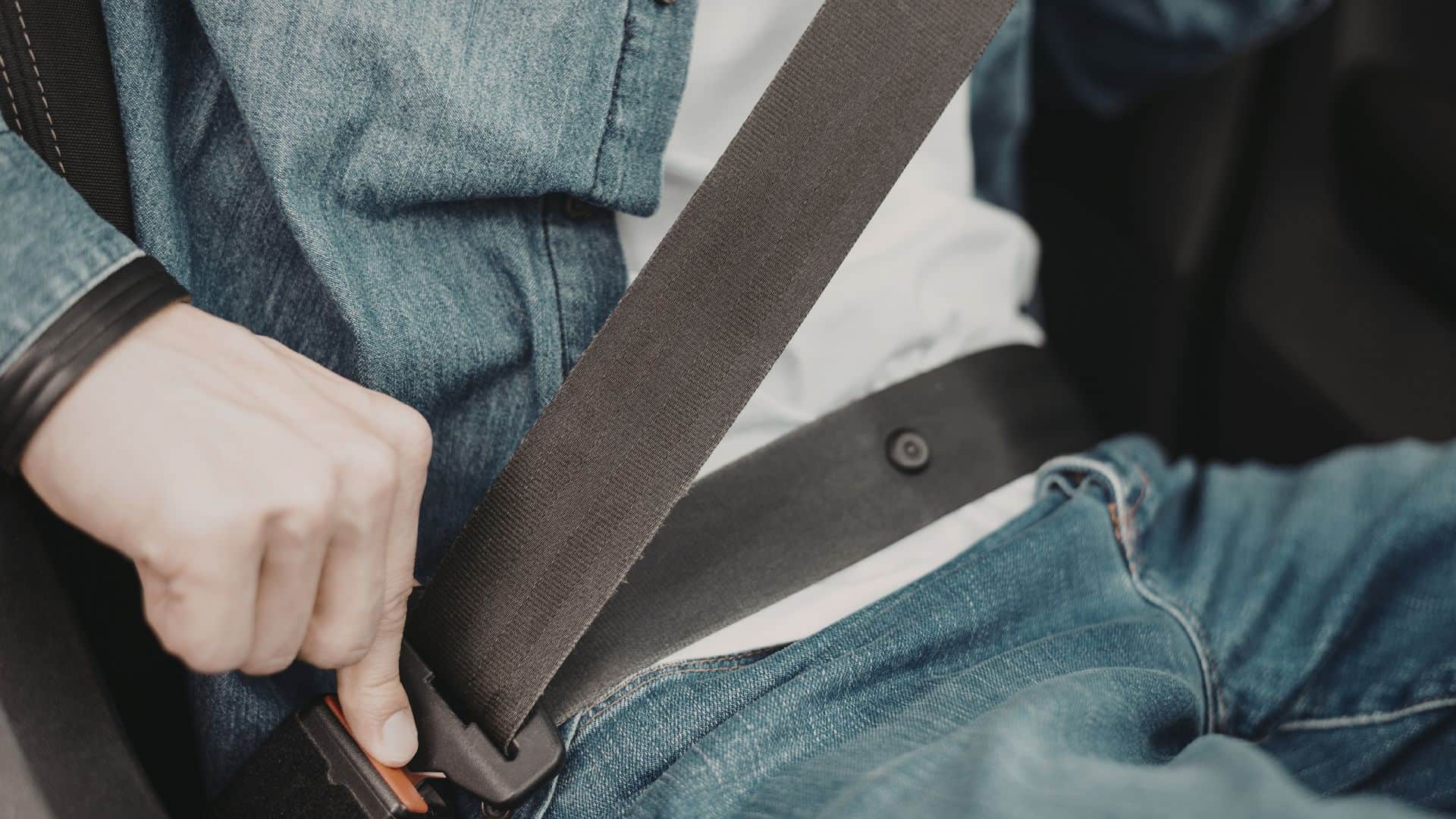
So what is the correct way to wear a seatbelt?
The correct way to wear a seatbelt is simpler than most people think, but small details matter more than you might realize. The lap belt should sit low across your hips, not across your stomach, while the shoulder belt should rest across the middle of your chest and shoulder. Modern safety systems like airbags, crash sensors, and belt tensioners are all designed around the assumption that you are wearing your seatbelt correctly, working together to keep you in the safest possible position during an impact.