Driving an EV over the holidays? What to know before hitting the road
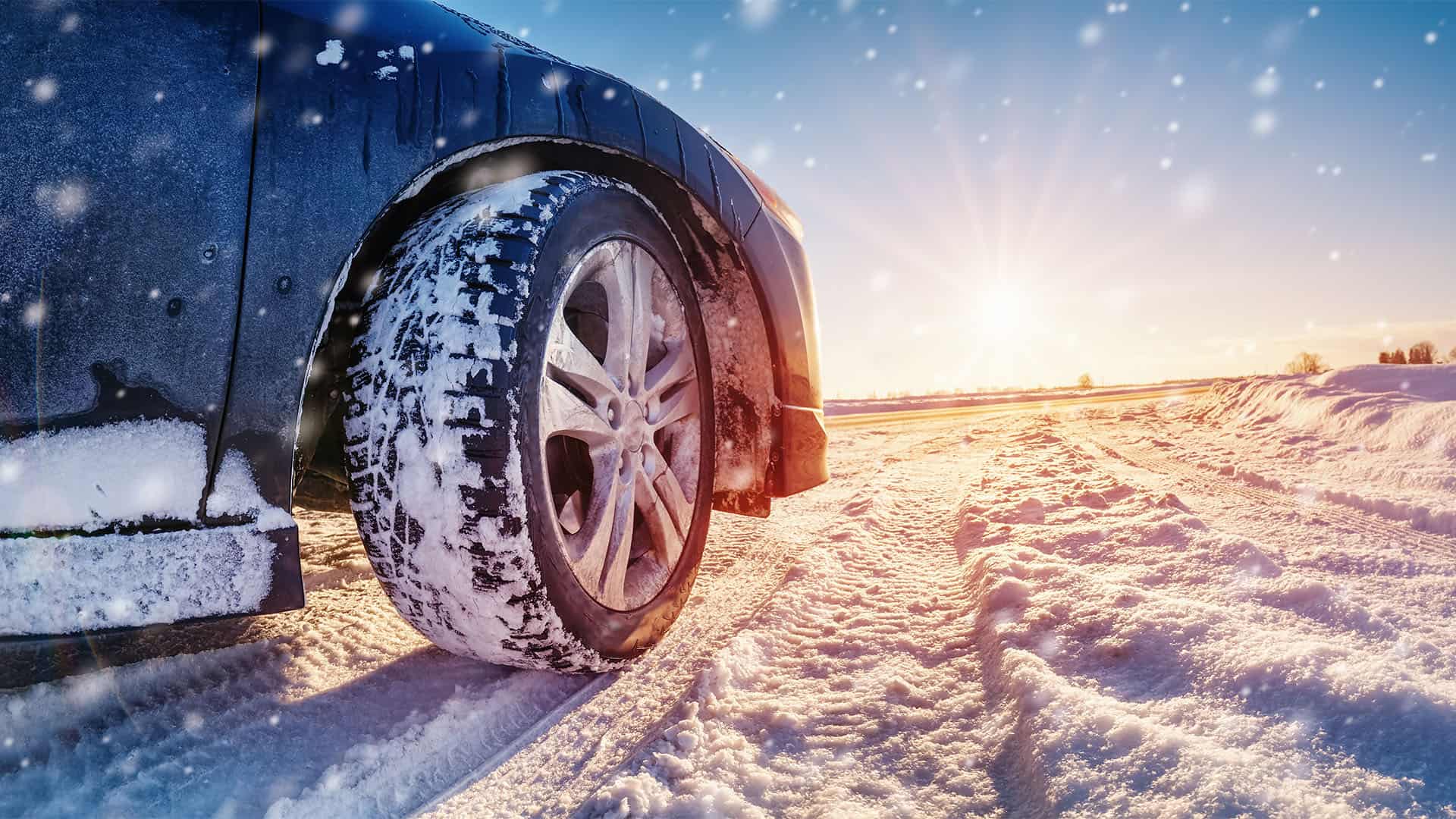
EVs may not love winter, but the right techniques can help drivers make the most of it.
Winter driving challenges every vehicle, but electric vehicles have unique considerations that owners should understand before temperatures drop. From preconditioning to charging strategy and tire choices, mastering cold‑weather EV techniques can make the difference between smooth winter driving and range anxiety. With the right knowledge and techniques, every EV owner can make the most of their vehicle, even in harsh winter conditions.

Before you drive
Plug in & precondition
One of the most important winter habits for EV owners is preconditioning, which means warming the battery and cabin while still plugged in. Cold weather can reduce the battery range by about 25% because heating draws power from the battery. But preheating the vehicle before unplugging it from the charger helps preserve driving range.
Tire pressure
Cold temperatures reduce tire pressure, increasing rolling resistance and lowering efficiency, so the vehicle works harder and uses more energy. For every 10 °F (about 5 °C) drop in temperature, tire pressure can decrease by ~1–2 psi. Low pressure affects handling and range, so check and adjust tire pressure regularly during winter.
Clear snow & ice
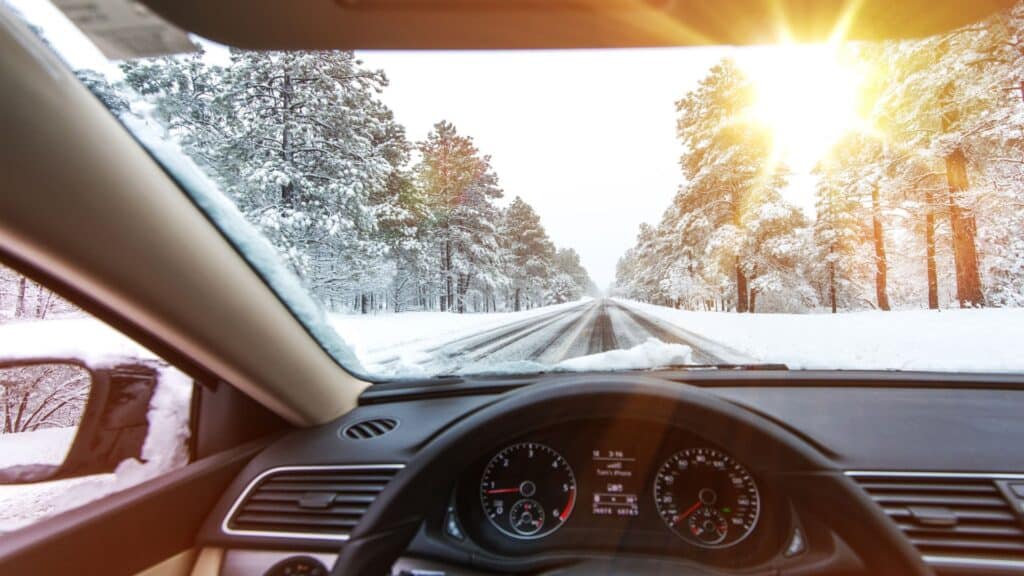
Before you drive, remove snow and ice from sensors, cameras, mirrors, windows, and lights. Snow on sensors can interfere with safety systems, and ice on mirrors or lights reduces visibility. Your winter checklist can include: gloves, a scraper, and about 10 extra minutes to clean the vehicle. Even simple steps like brushing off snow before departure make a noticeable difference.
Winter tires
Investing in winter tires is one of the single most effective ways to improve traction and safety in snow and ice. Look for tires with the Three Peak Mountain Snowflake (3PMSF) marking. These are great for mild winters and limited snow use. But if you frequently drive in an area where icy roads are common, it is wise to consider installing real winter tires designed for cold temperatures and snow conditions. These can significantly shorten stopping distance and improve control compared to other tires.
While driving
Heat smart
Electric cars don’t generate excess heat like petrol cars, and they use battery power to heat the cabin, but this requires a significant amount of energy. Using cabin heat wisely can preserve range. Instead of starting with full cabin heat, begin with heated seats and steering wheel. This will keep you warm and use far less energy than the main HVAC blower.
Drive gently
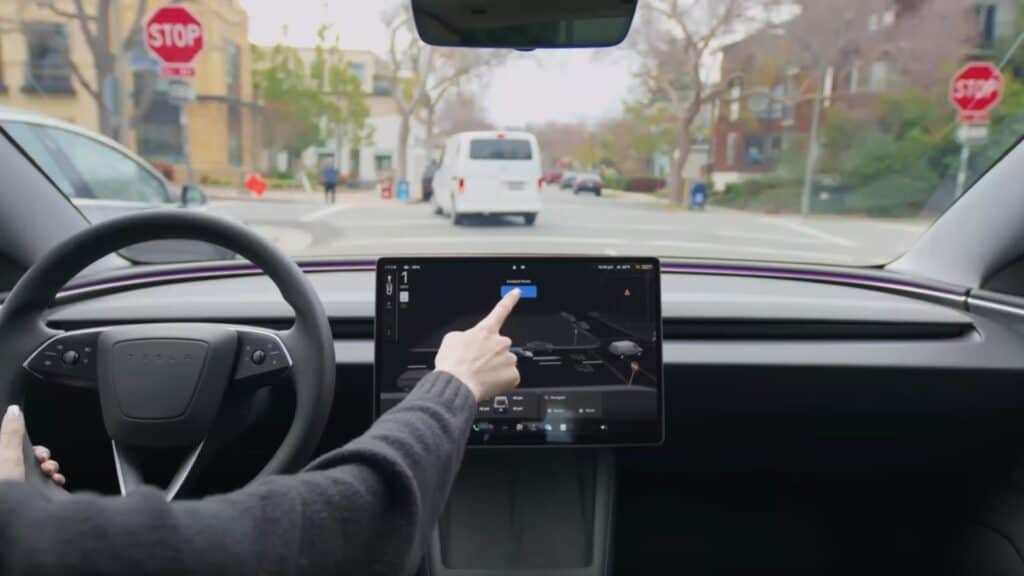
Slow down and only gently press the acceleration pedal. Just roll. Any sudden acceleration draws more energy from your battery and reduces efficiency. Smooth driving with gentle acceleration, coasting when possible, and plenty of space between cars not only improves safety on slippery roads, but also helps your EV’s efficiency and range.
Charging
One practical winter consideration for EV owners is protecting charging connectors from freezing. Snow, slush, and moisture can freeze around the connector, making it harder to plug in or remove and increasing the risk of damage. Simple actions, such as using a plug cover or an insulated bag, can protect from ice.
Expect charging to take longer in cold weather. The battery may need to warm up before it can accept high‑speed charging, so calculate with extra time and locate chargers in advance to avoid surprises.

Remember that charging stations can freeze, especially the connectors. If the connector is covered in ice, gently warm it with your body heat or a hand warmer before trying to plug it in. Make sure to avoid forcing frozen plugs, as it can damage pins or cables. And, if possible, park in a cleared or sunnier spot to reduce frost.
Reserve range
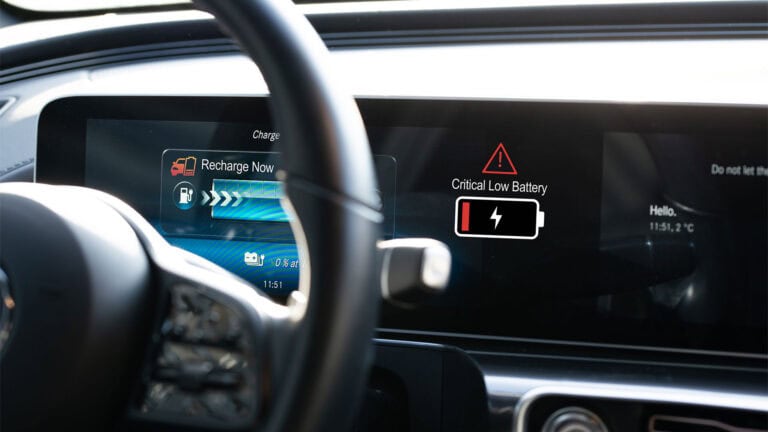
Keeping your battery above roughly 20% in winter can make a noticeable difference. EV batteries are more efficient when they are not operating at very low charge levels, especially in cold conditions. That extra buffer also gives you a safety net in case you’re stuck in traffic.
Use a heat pump
EVs equipped with heat pumps are far more efficient at managing cabin and battery temperatures in cold weather than models that rely on traditional resistive heaters. Instead of generating heat, a heat pump transfers existing heat, which requires significantly less energy. While heat pumps are not standard on every EV, those that have them benefit from improved winter efficiency and less impact on driving range.
Takeaways
Winter driving in an electric vehicle doesn’t have to be stressful, but it does require knowledge and preparation. From plugging in and preconditioning to tire choice, smart heating use, and charging planning, taking a few extra steps can preserve range and make cold‑weather EV use predictable rather than stressful. EV owners consistently emphasize planning and efficient heating habits, and when you treat winter driving like a choreographed routine rather than an afterthought, your EV performs far better in the cold.