

How to Choose the Right Type of Bike for Your Riding Style
As kids, all bikes were fun, and we didn’t think much about whether a particular bicycle was designed for off-road use in the local forest or not. We used what was available, and the choices were usually limited.
As an adult, I became a hobby cyclist and tried several bikes over the last four decades, and learned that if you really want to have fun, you need to find the right bike type for the ride.
This article won’t offer specific models, best budget options, or any bike fitting tips. I’ll instead take a step back and focus on how to find the right type of bicycle for your ride, which is the most important consideration before even looking at any model.
Where to start
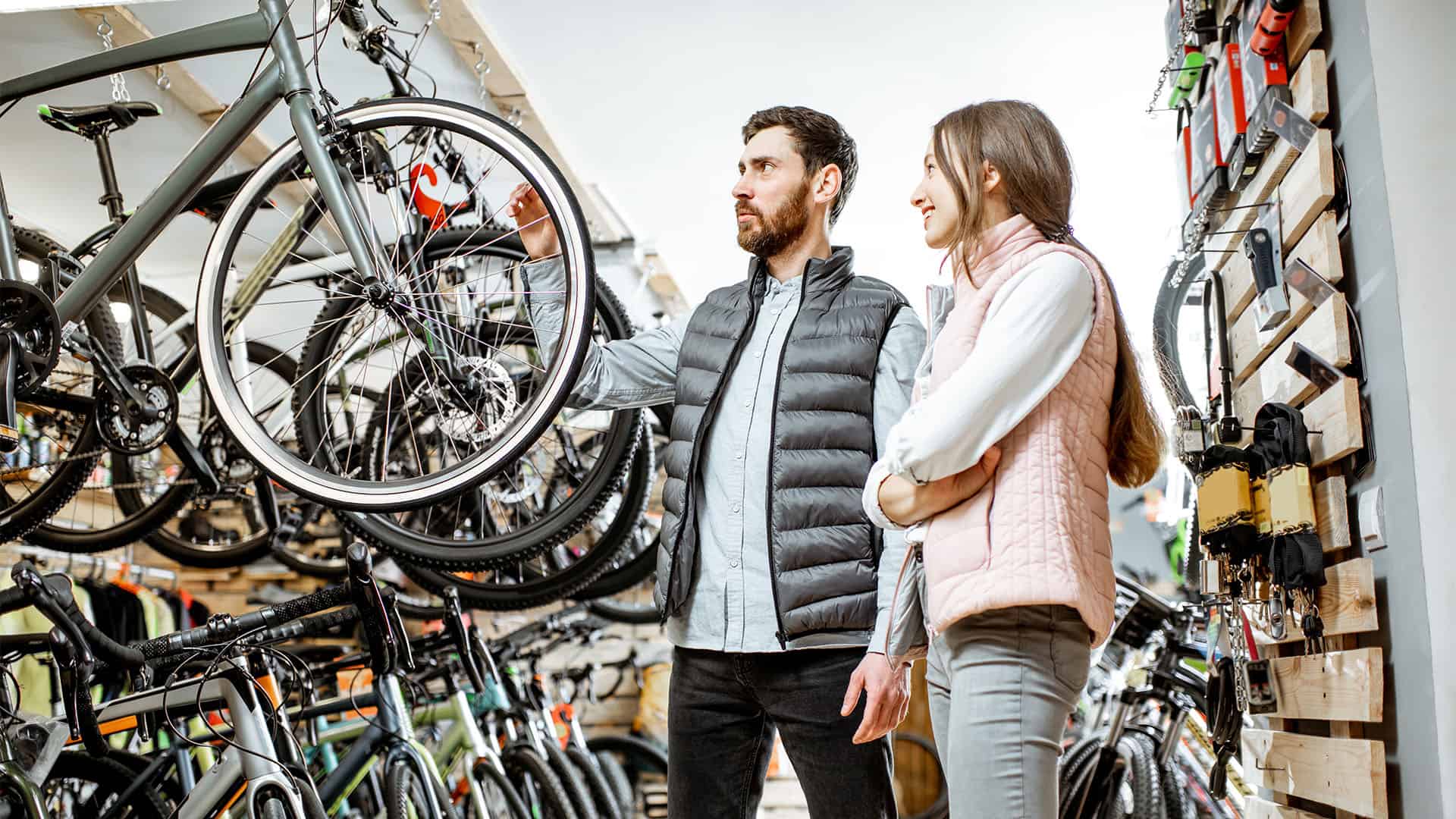
If you ever step into a bike shop, you could see some bikes look familiar from your childhood, and bikes that just look like they came from another planet. In the last 20-30 years, the bike industry has evolved a lot. Bikes become more advanced and, most importantly, more durable. Now, almost every brand offers a wide range of products, from bikes designed for riding on the beach to ones that are built for competing in the Tour de France.
The options are overwhelming, and it’s no surprise that it’s not easy to pick only one bike.
Before selecting a bike category and a specific model, you need to define your actual needs. To do that, you need to answer the following questions.
1. Why do you need a bike?
First, you need to decide why you need a bike and how you want to use it.
People turn to bikes for more reasons than you might think, and each reason directs the shopping list in a different direction. If you’re replacing short car or bus trips (commuting to work, going to the shops, or meeting friends downtown) look for something light and practical with full-length fenders to stay dry, and a simple basket for a backpack or groceries. A folding model can slip under a desk or onto the train, while a step-through frame makes stop-and-go city traffic easier in everyday clothes.
Riding for health is its own category. A fitness-style bike is great for lunchtime laps around the park. Long-distance bike trips or weekend tours adds new must-haves; plenty of gears for steep climbs, places to attach bags, and a carbon or aluminum frame that keeps the ride smooth on long journeys.
Then there are family and cargo duties. Taking a child to school calls for a sturdy frame that is able to accommodate a kid seat or trailer and stable kickstand parking. Always match the bike to the job.
2. Where will you ride?
If most of your miles will be on smooth city streets or paved bike paths, choose a bike that rolls fast and feels light. Slim, low-tread tires are great for asphalt and make pedaling easier. Urban riding also requires good brakes like hydraulic discs, but well-kept rim brakes work well too. Clip-on fender is a useful option to consider.
Mixed surfaces like trails or country lanes that switch from tarmac to hard-packed gravel call for a bit more versatility. Look for tires that are wide enough to stay stable on loose bits yet still smooth on the road. Disc brakes stay reliable in dust and rain, and a slightly more relaxed frame (taller front end, longer wheelbase) keeps you comfortable on bumps.
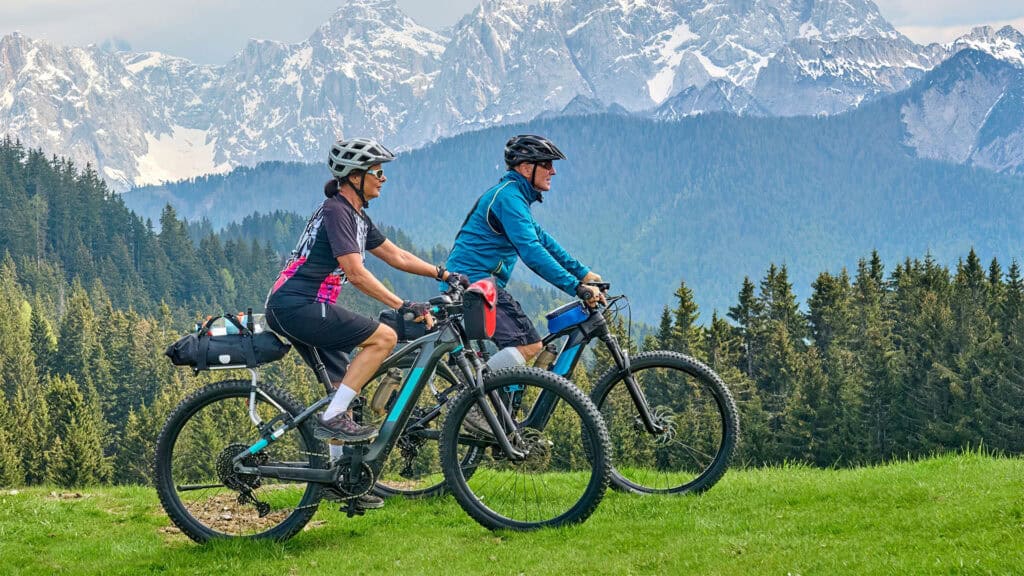
Heading onto rocky tracks, root-laced forest loops, or steep mountain trails? A proper mountain bike with front suspension – and maybe rear, if the routes are really rough – lets the wheels follow the ground instead of bouncing you around. Chunky, knobby tires are great for loose soil, and wide-range gears help you crawl up sharp climbs. On the way back down, powerful hydraulic discs manage your speed to get back safely.
3. What is your budget?
You might already have a budget in mind, and without discussing exact numbers, it’s good to consider how many times you plan to use the bike. Only the weekend, or are you planning to attend some local races? If you plan to use it heavily, it is better to spend more and buy a durable, high-quality bike. Don´t forget, just like cars, modern bikes require maintenance, and spare parts can be costly over time.
Another consideration is the risk of a stolen bike. If you park your bike in the city on a daily basis, it might be better to avoid a flashy new bike. It will be stolen in a second.
4. What is your fitness level?
If you are full of energy or want to improve your fitness level, consider searching for more sporty models. However, if you just want an effortless ride with friends and family, consider something more comfortable. And even consider an E-bike.
If you can answer these simple questions, you can begin exploring each category.
Here I have collected some of the main bicycle categories. Each has subcategories that are more specialized for a specific type of ride or terrain.
Types of Bikes
Here I have collected some of the main bicycle categories. Each has subcategories that are more specialized for a specific type of ride or terrain.
Road Bike

This is the classic bike that you see on TV, where a bunch of guys in colorful jerseys fight to win the Tour de France. These bikes are super light and efficient, but you need smooth paved roads, and the riding position is not the most comfortable.
These are perfect for fitness riders and competitive racers, but if you’re riding to the office, you’ll want to choose something more comfortable. Their narrow tires don’t like uneven roads, and are not the best for gravel roads. If you are not 100% sure you need this, try a gravel bike with a more relaxed riding position and wider tires that can handle both gravel and paved roads.
Mountain Bike (MTB)

Mountain bikes became extremely popular at the end of the 1990s, and it seems that their evolution is not slowing down. Several subcategories have evolved with bikes dedicated to specific types of riding.
They are the best for off-road trails, dirt tracks, and steep climbs or descents. Modern mountain bikes are significantly more durable than those from 20 years ago. The drivetrain and brakes work flawlessly even on budget-friendly models. So, if you are looking for a weekend of fun in the local forest or planning to explore the mountains, then this is the category you should look for.
Gravel Bike

When gravel bikes first appeared 10-15 years ago, I wasn’t sure why we needed yet another style. Until I tried one. They roll almost as quickly as a road bike on pavement, yet their wider, tires and lower gears handle dirt lanes, forest tracks, and potholes without flinching.
They are perfect for long rides on paved roads and gravel or light single tracks in the forest. You can use them as a touring bike, and they can also keep up with the roadies on a Sunday ride. It is a bit of everything, which makes it super popular. If you can’t decide between a road bike and a mountain bike, I suggest trying this category first.
For anyone who rides a lot and doesn’t want – or have room – to store both a road bike and a mountain bike, a gravel bike is the perfect blend. After years of trying different bikes, this is the only one I’ve kept. But, bear in mind that these bikes are not ideal for steep descents or jumping off cliffs.
Folding Bike

If you’ve ever seen a busy city center like London or New York, you probably saw people in suits riding these bikes with tiny wheels. They were likely a Brompton bike or another foldable bike brand. Due to their size and the ability to fold in half, they are perfect for big city life. You can simply fold it in half and take it with you on the train or bus.
They are great for short trips in the city, but you will need to be careful, because those small wheels do not tolerate potholes. Also, they are not the cheapest bikes for the city. If you are looking for a more comfortable bike, choose a hybrid.
Hybrid Bike

Hybrid bikes, as the name indicates, are a blend of on-road efficiency and light trail capability. They are best for casual riders, urban commuters, and weekend explorers. If you want one bike that can handle weekday rides to work, weekend spins through the park, and the occasional gravel path – without forcing you into Lycra – a hybrid is the true all-rounder.
Beyond their versatility, hybrids provide an easygoing riding style that fits everyday life. The upright posture makes it simple to chat with a friend or take in the scenery instead of staring at the pavement. Many models come in fun colors and even throwback designs, so the bike feels like an accessory rather than a piece of gym equipment.
They’re also surprisingly social machines. Because they aren’t built for racing or big drops, friends of different fitness levels can ride side-by-side without anyone feeling left behind. Parents love hybrids for school runs: add a front basket and a bell, and quick errands turn into mini-adventures that kids actually look forward to.
Cruiser Bike

Anyone who’s flipped through travel channels or strolled the real-life boardwalks of Santa Monica and Venice Beach has probably noticed those laid-back riders gliding past the palm trees at sunset. They’re on cruiser bikes, purpose-built for exactly that scene. They are perfect for easygoing rides on flat ground like boardwalks or short local trips. They are super comfortable, stylish, and designed for slow speed and fun.
A cruiser (sometimes called a beach cruiser) pairs swept-back handlebars with an extra-wide saddle, balloon-style tires, and a super-upright seating position, so you can pedal in flip-flops without leaning forward or straining your back. Most use a single gear or a simple three-speed hub and coaster brakes, keeping maintenance low and the vibe mellow.
Many models come in eye-catching paint jobs, with chain guards, full fenders, and a front basket ready for a towel and sunscreen. If I were living in Santa Monica, I would definitely choose this category.
Touring

Touring bikes are like an RV or a caravan. They are built for long rides with the capability to carry all your bags. They have a relaxed riding position and are comfortable enough to stay in the saddle all day. Their frame and components are designed to carry not only you but all the stuff you need for a trip. They have wider tires than road bikes and are capable of riding unpaved roads, but they are not built for speed. They are built for endurance.
If your goal is to explore at your own pace, camp along the way, and arrive with a smile instead of sore joints, a touring bike is the right tool for the trip.
Cargo bike

These types of bikes are designed for city roads to carry heavy loads, kids, groceries, or equipment. Their frame is extended with large front or rear racks or built-in boxes. In cities like Amsterdam, they are part of everyday life and work like a family car in the US.
They are big, heavy, and super durable. New models are often equipped with disc brakes and electric motors to help you with the daily commute. As their name suggests, they are not for fitness, even though it is guaranteed that you will gain muscles if you ride these with the kids in the city.
What About Electric Bikes (E-Bikes)?
I would not call electric bikes a separate category because you can buy an e-bike version from almost any category mentioned above. They are a great option for those who need or prefer them.
These bikes have a small electric motor with a battery that helps with pedaling, and it is a lifesaver for many with lower fitness level. Commuters, elderly riders, or anyone needing a boost will love it, but the electric capability comes with a hefty price tag and weight.
Other Categories
I haven’t listed every possible bike here, because many are really just sub-categories of the main ones. Take mountain bikes: there are cross-country, downhill, and enduro models, each tuned to a specific kind of trail or riding style. If you’re new to regular riding, start with a simple, mainstream bike first. When you’re ready to launch off cliffs or sail over canyon gaps, you’ll already know exactly which specialist bike fits, no article required.